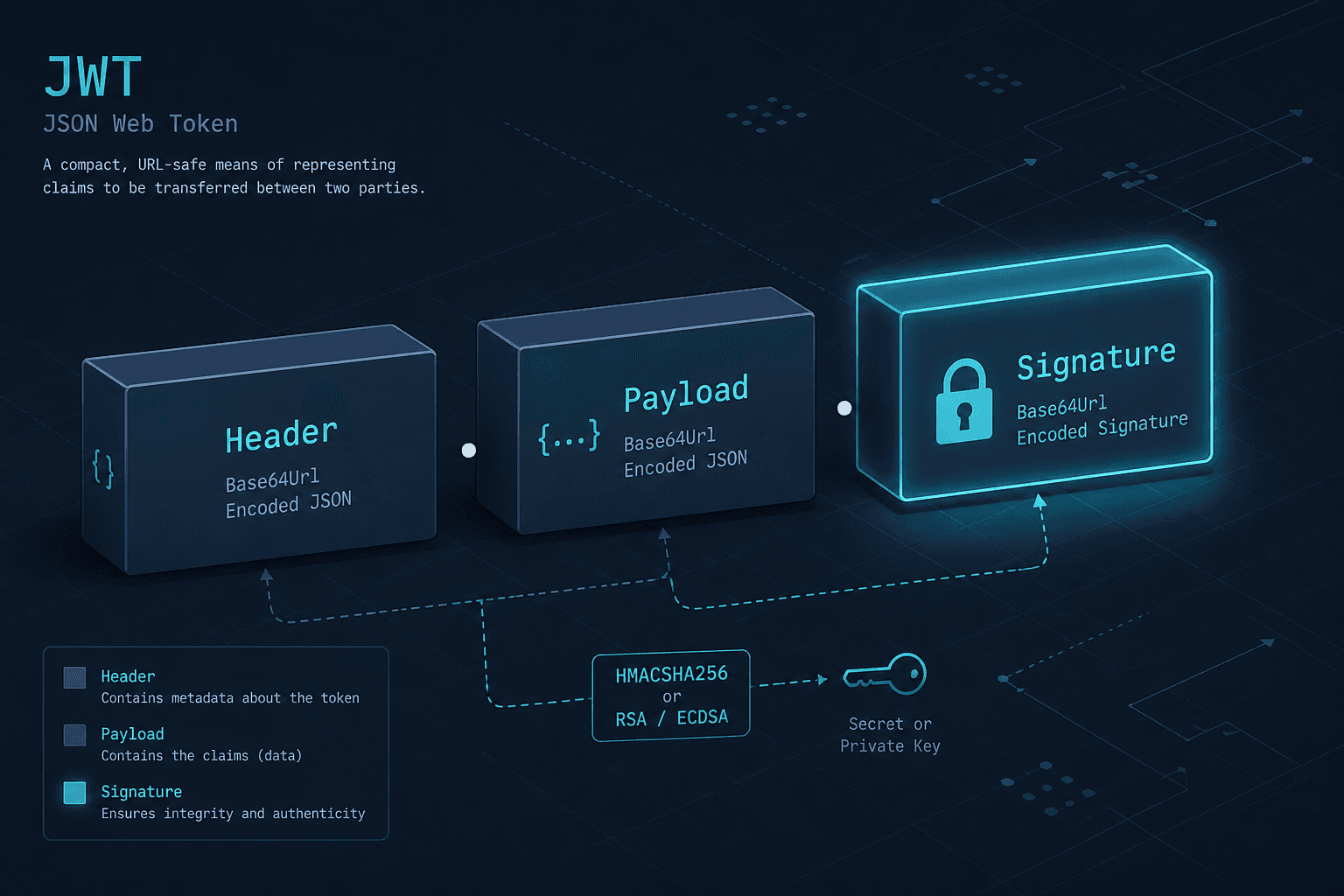
Anatomy of a JWT: Header, Payload, and Signature
Understand the internal structure of JWTs by examining the header, payload, and signature sections, ensuring secure authentication implementation.
Part 1 · JWT From the Spec UpBlog
Practical guides on OAuth 2.0, OpenID Connect, SAML, Keycloak, and the platform engineering behind identity systems.
296 posts · page 2 of 15
Understand the internal structure of JWTs by examining the header, payload, and signature sections, ensuring secure authentication implementation.
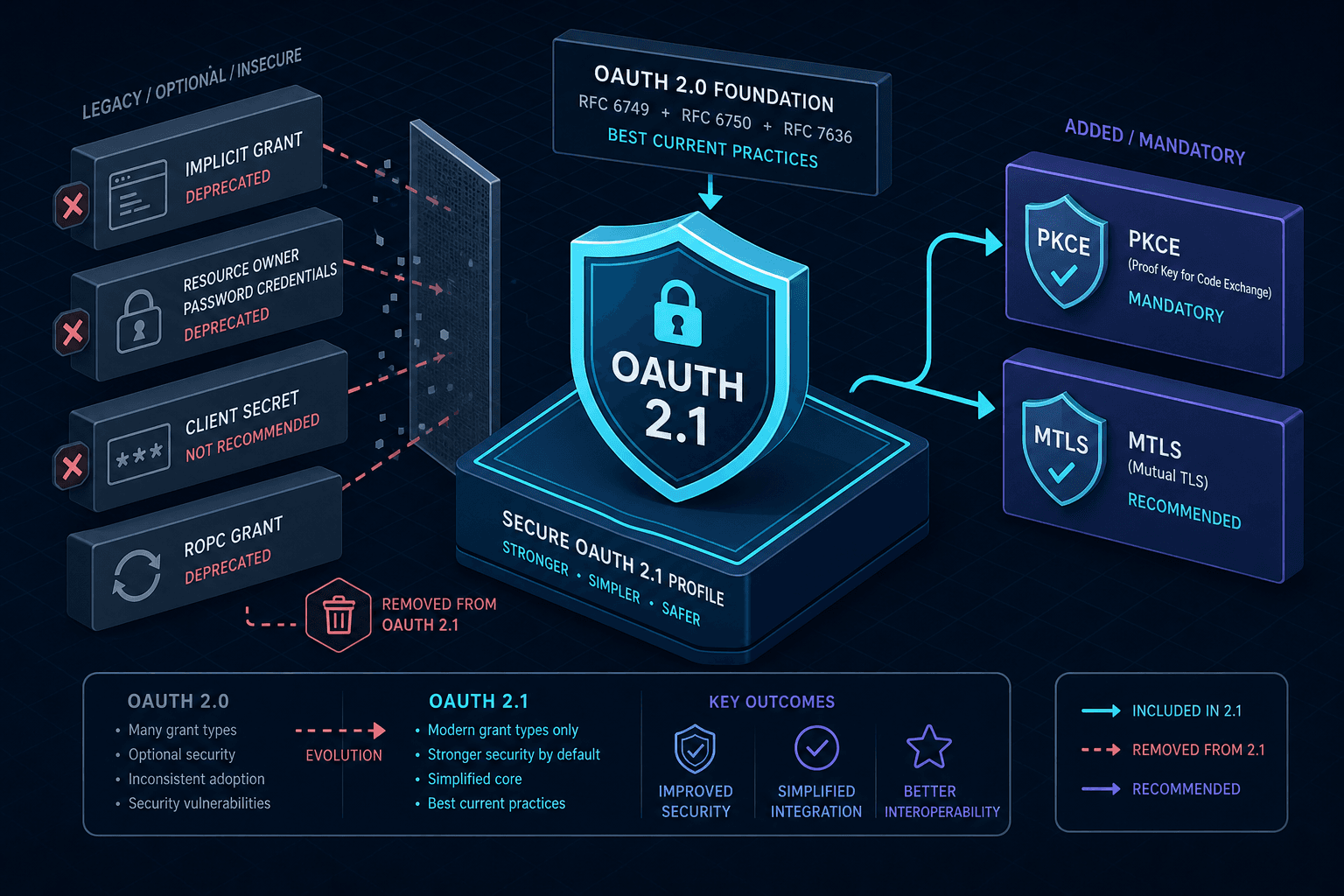
Part 1 · JWT From the Spec UpExplore the key updates in the OAuth 2.1 IETF draft, including consolidation efforts and practical migration steps for modern security architectures.
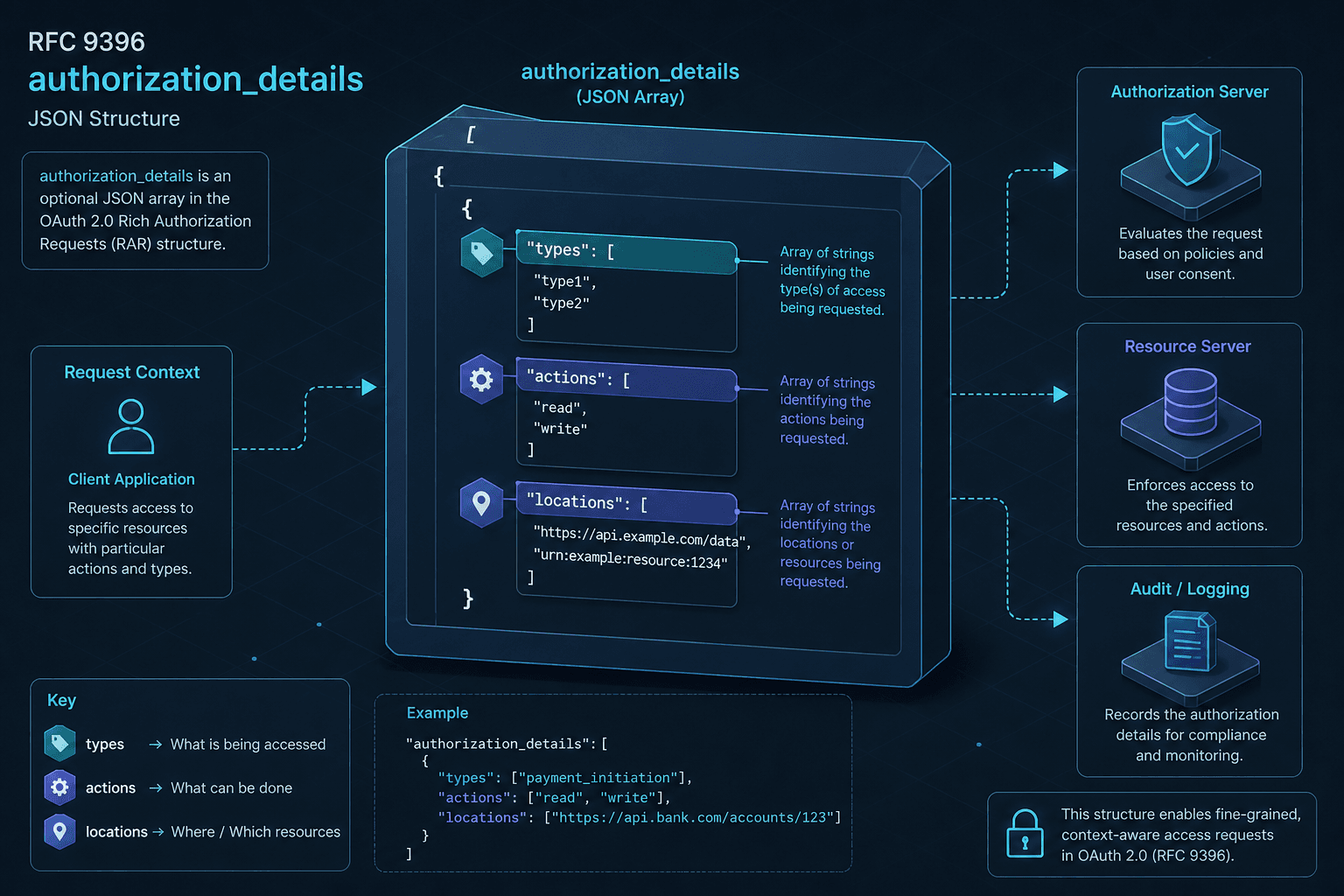
Part 10 · OAuth 2.0 RFCs Every Engineer Should ReadRFC 9396 introduces Rich Authorization Requests (RAR) and the authorization_details parameter, allowing for precise, fine-grained authorization scopes in OAuth 2.0 flows.
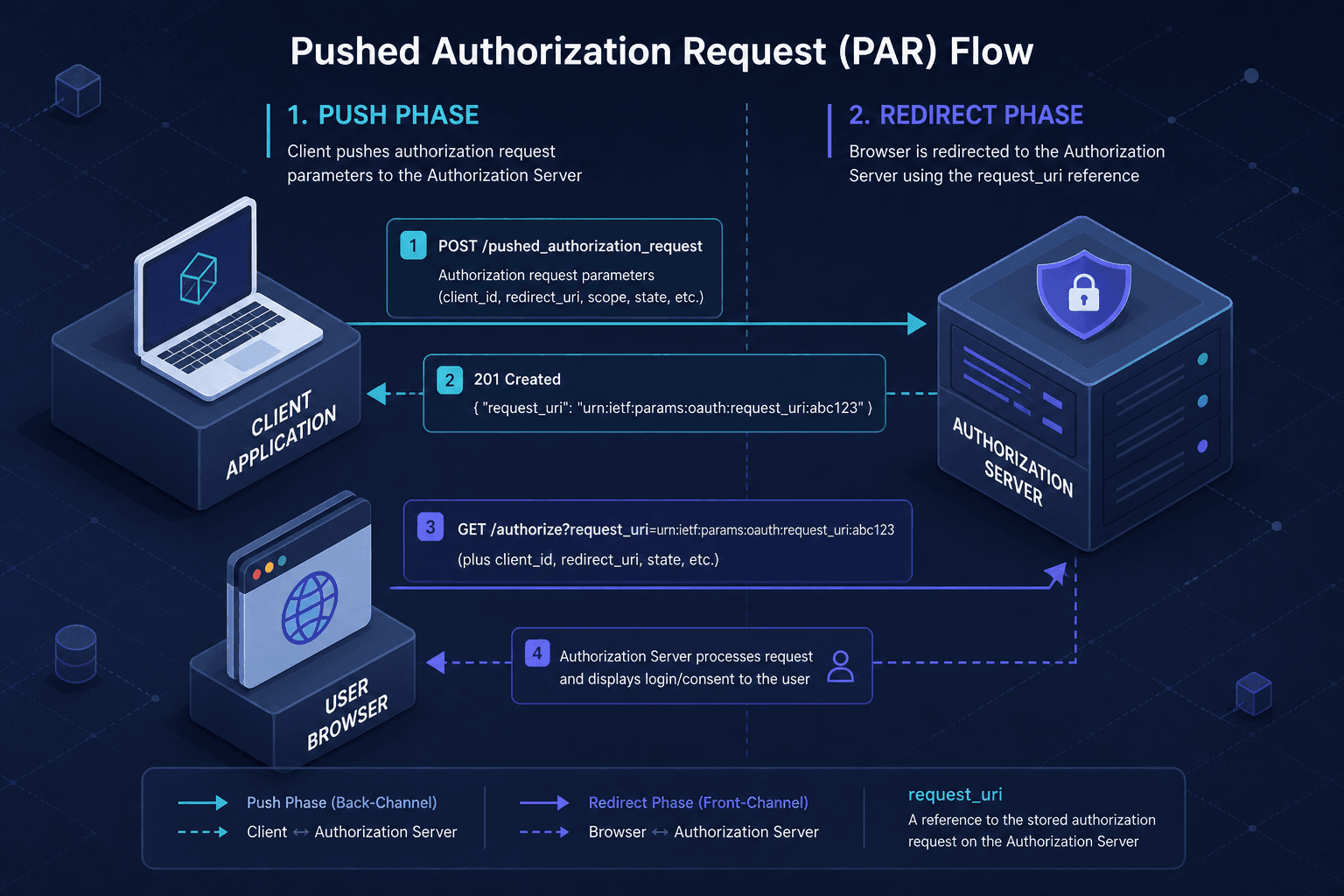
Part 7 · OAuth 2.0 RFCs Every Engineer Should ReadLearn how RFC 9126 Pushed Authorization Requests (PAR) improve OAuth 2.0 security by moving authorization request parameters off the URL, reducing exposure and improving performance.
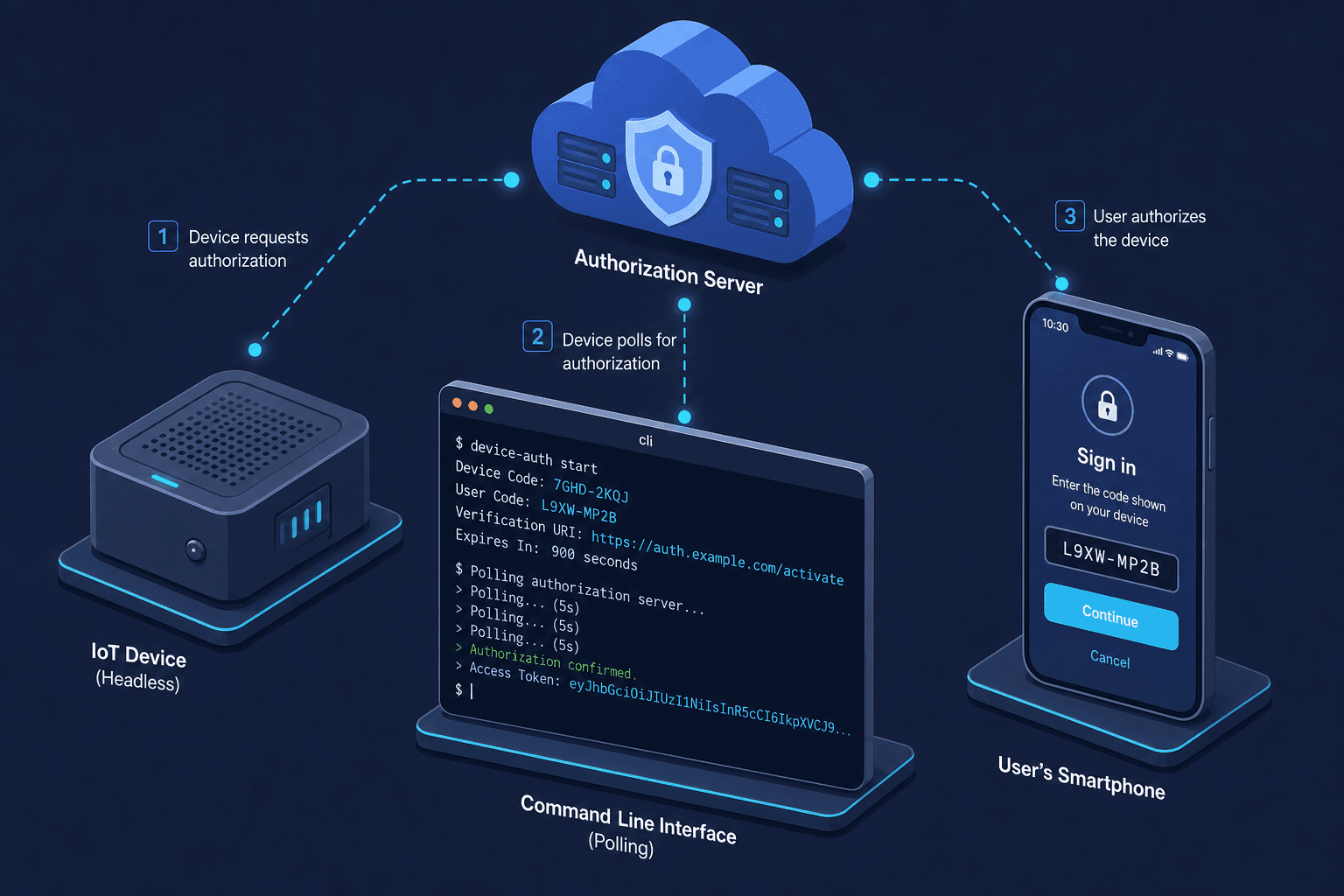
Part 5 · OAuth 2.0 RFCs Every Engineer Should ReadLearn how RFC 8628 allows devices lacking browser capabilities to securely authenticate via user codes and polling, a critical pattern for IoT and CLI tools.
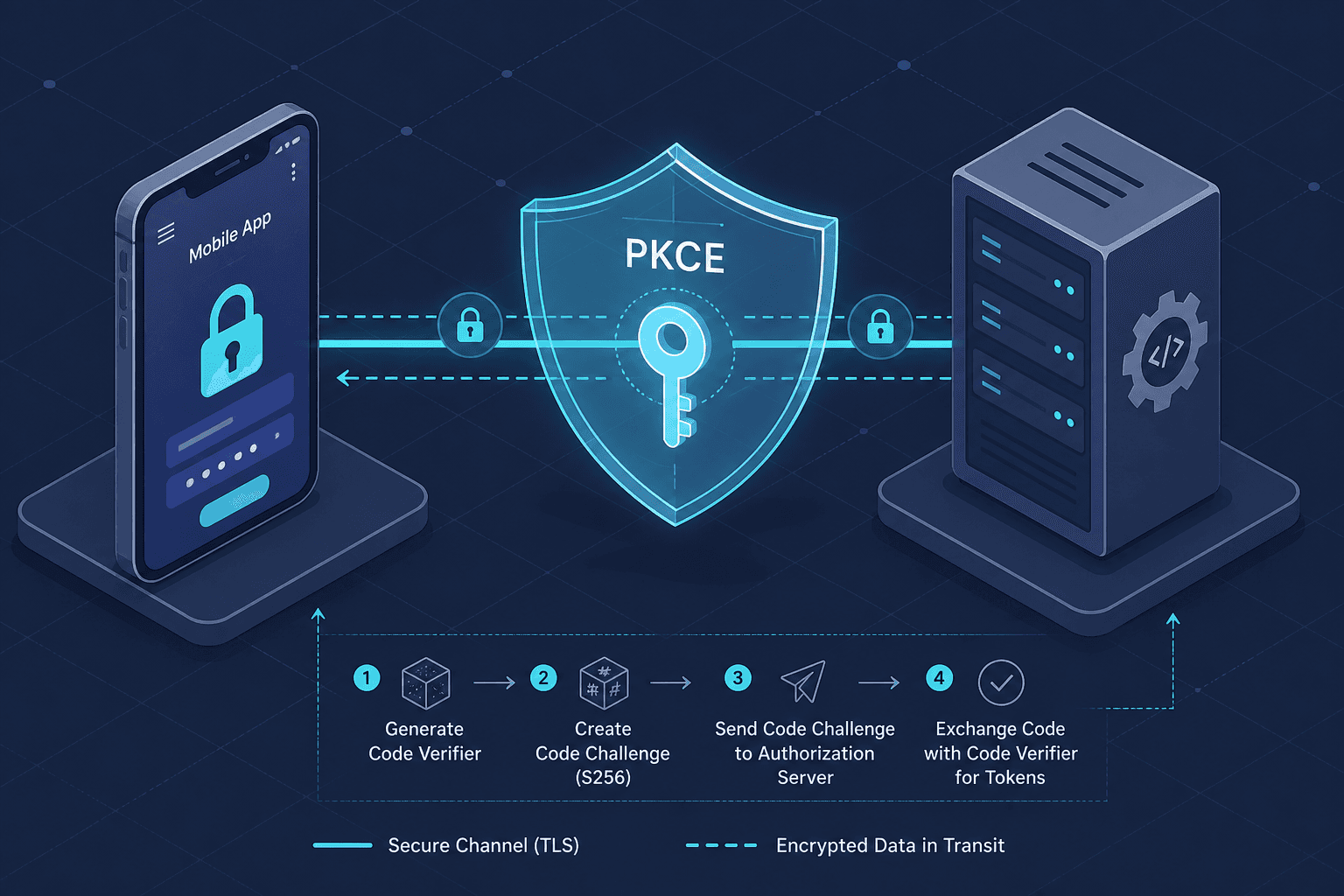
Part 3 · OAuth 2.0 RFCs Every Engineer Should ReadLearn how RFC 7636 introduces PKCE to secure OAuth 2.0 authorization code flows against interception attacks on public clients.
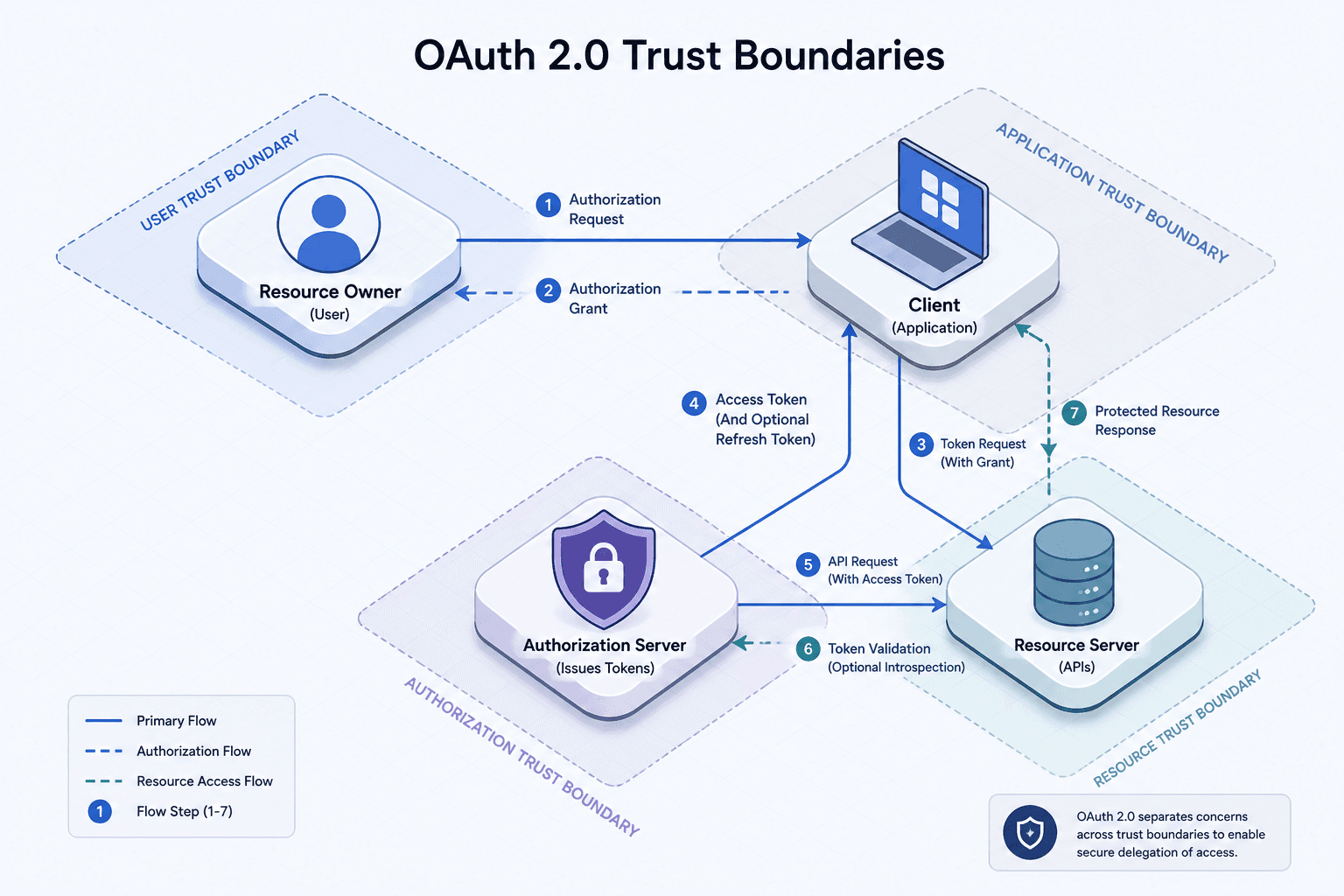
Part 2 · OAuth 2.0 RFCs Every Engineer Should ReadA technical review of OAuth 2.0 (RFC 6749) for backend developers and security engineers, focusing on current best practices and deprecated flows.
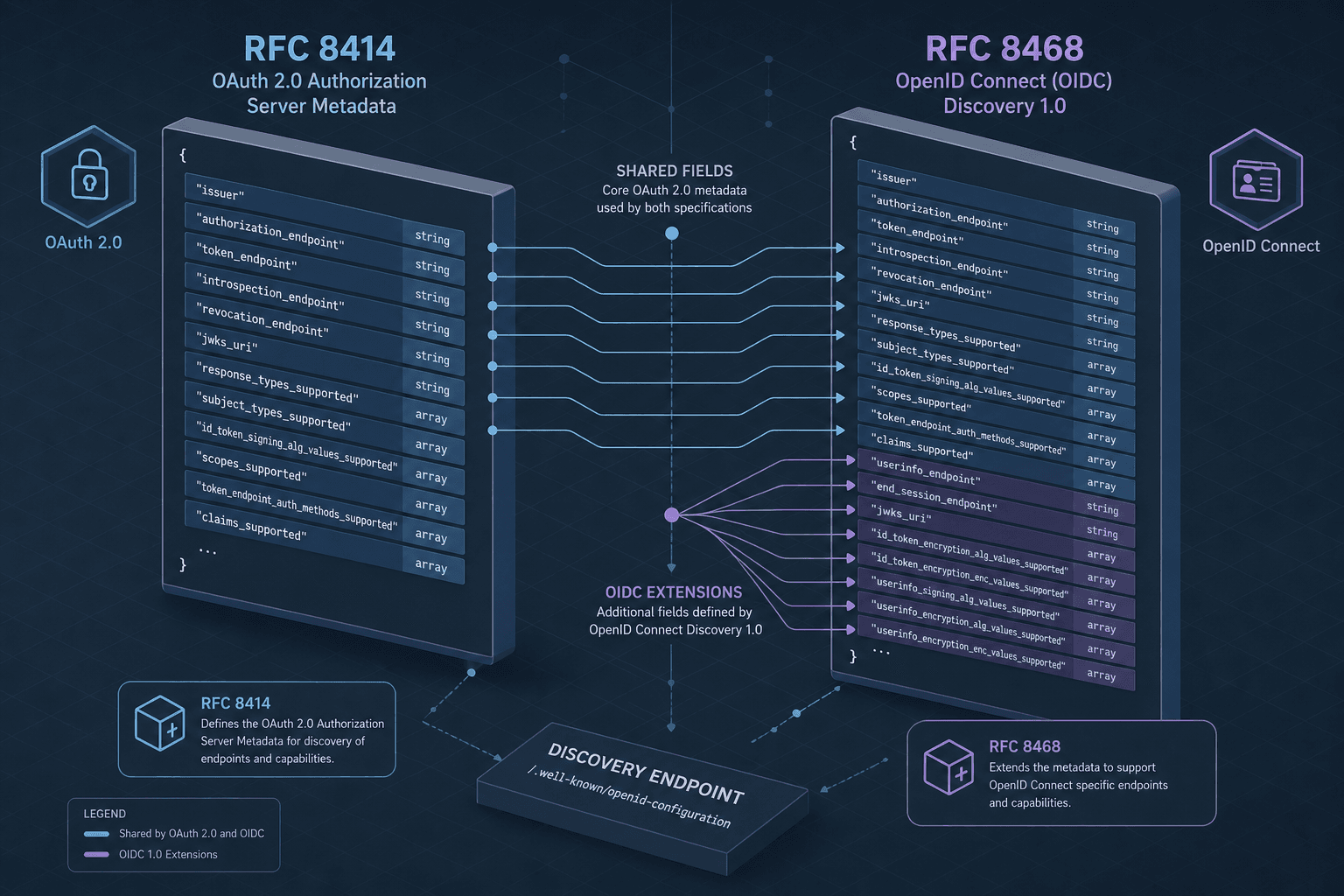
Part 1 · OAuth 2.0 RFCs Every Engineer Should ReadUnderstanding the differences between OAuth 2.0 and OpenID Connect discovery endpoints to implement secure identity flows.
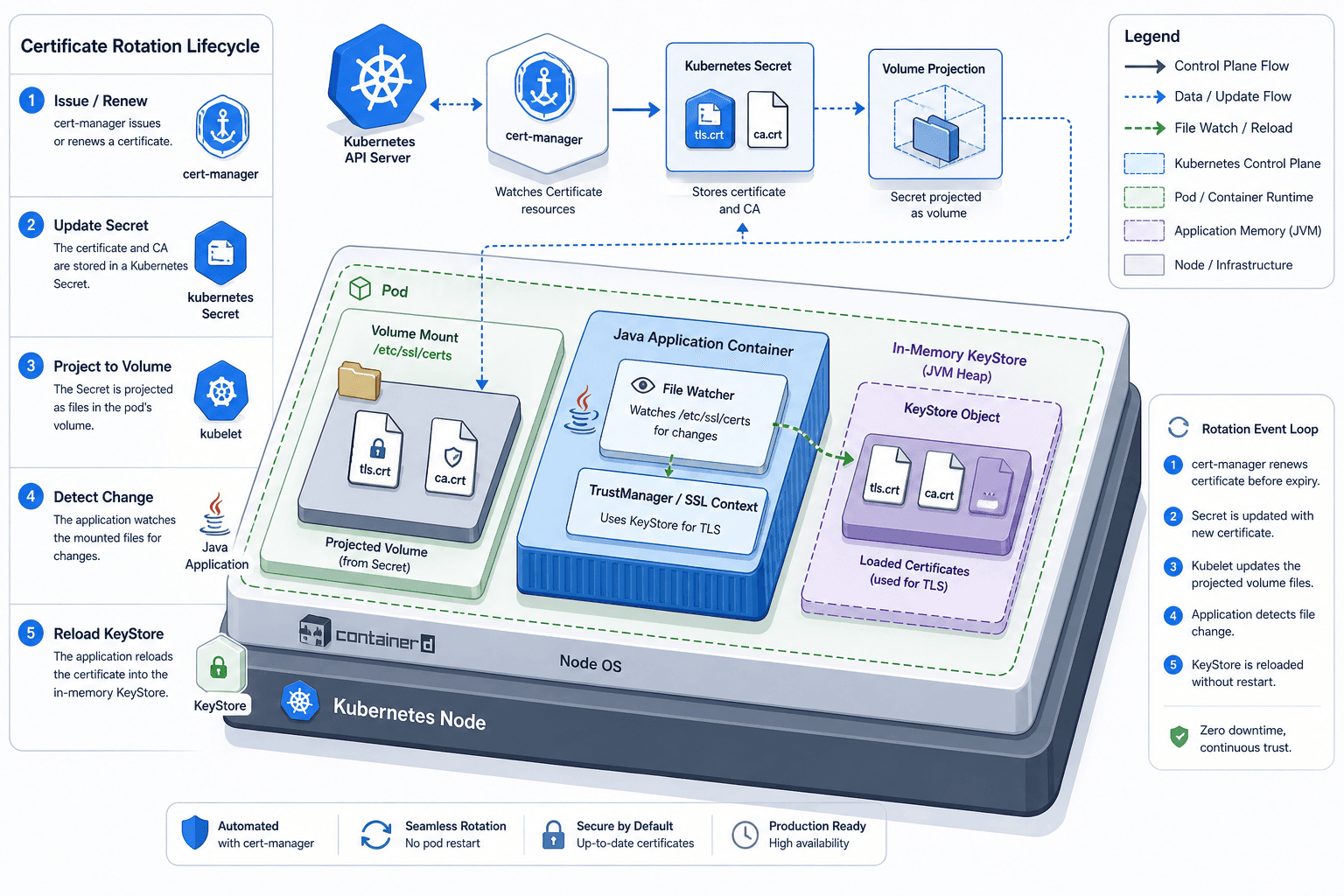
Part 7 · Authorization Server MetadataA guide to managing certificate rotation and truststore reloads in Kubernetes using cert-manager, ensuring secure mTLS configurations.
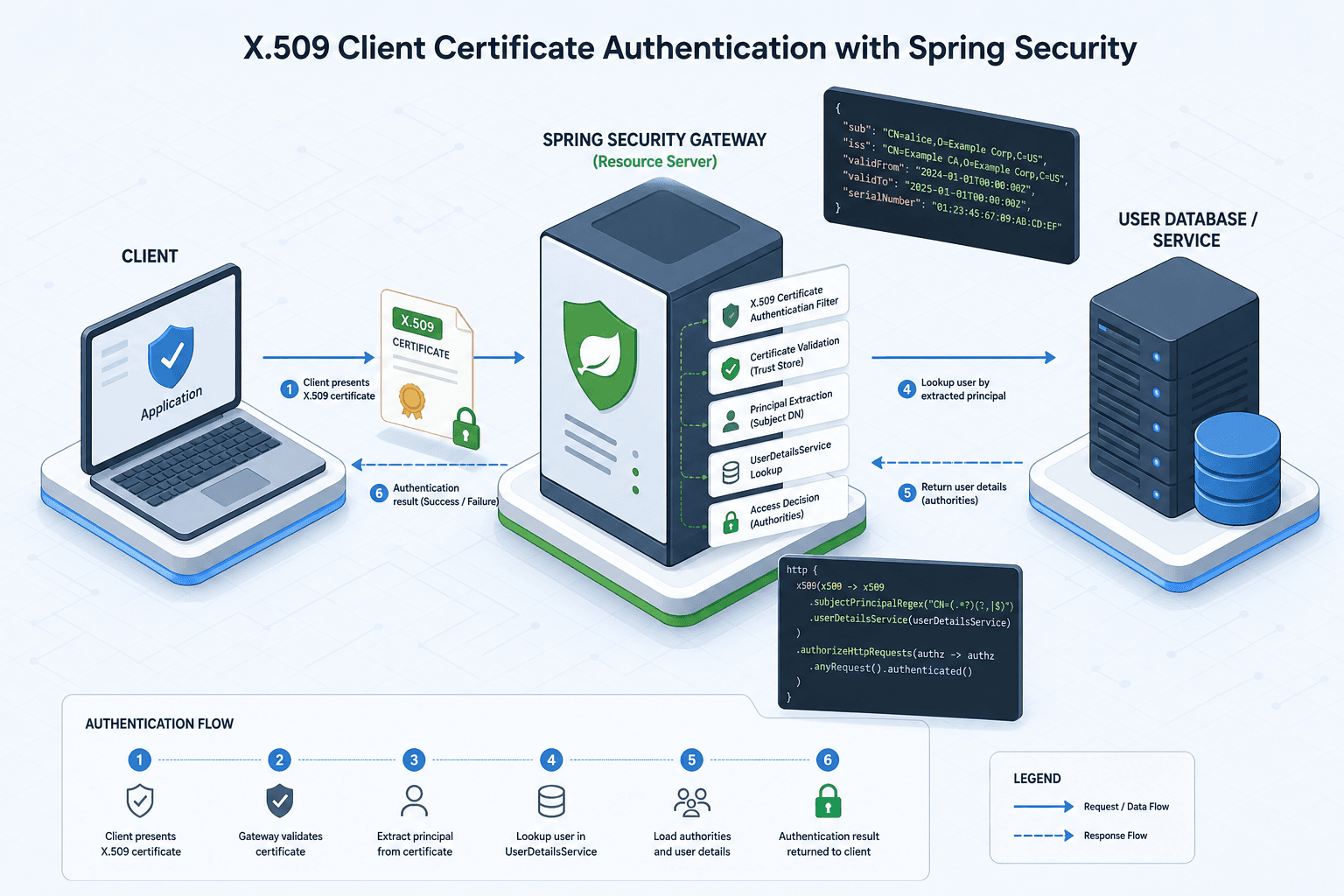
Part 6 · mTLS With Spring BootLearn how to configure Spring Security for X.509 client certificate authentication, handling mutual TLS, principal extraction, and user lookup.
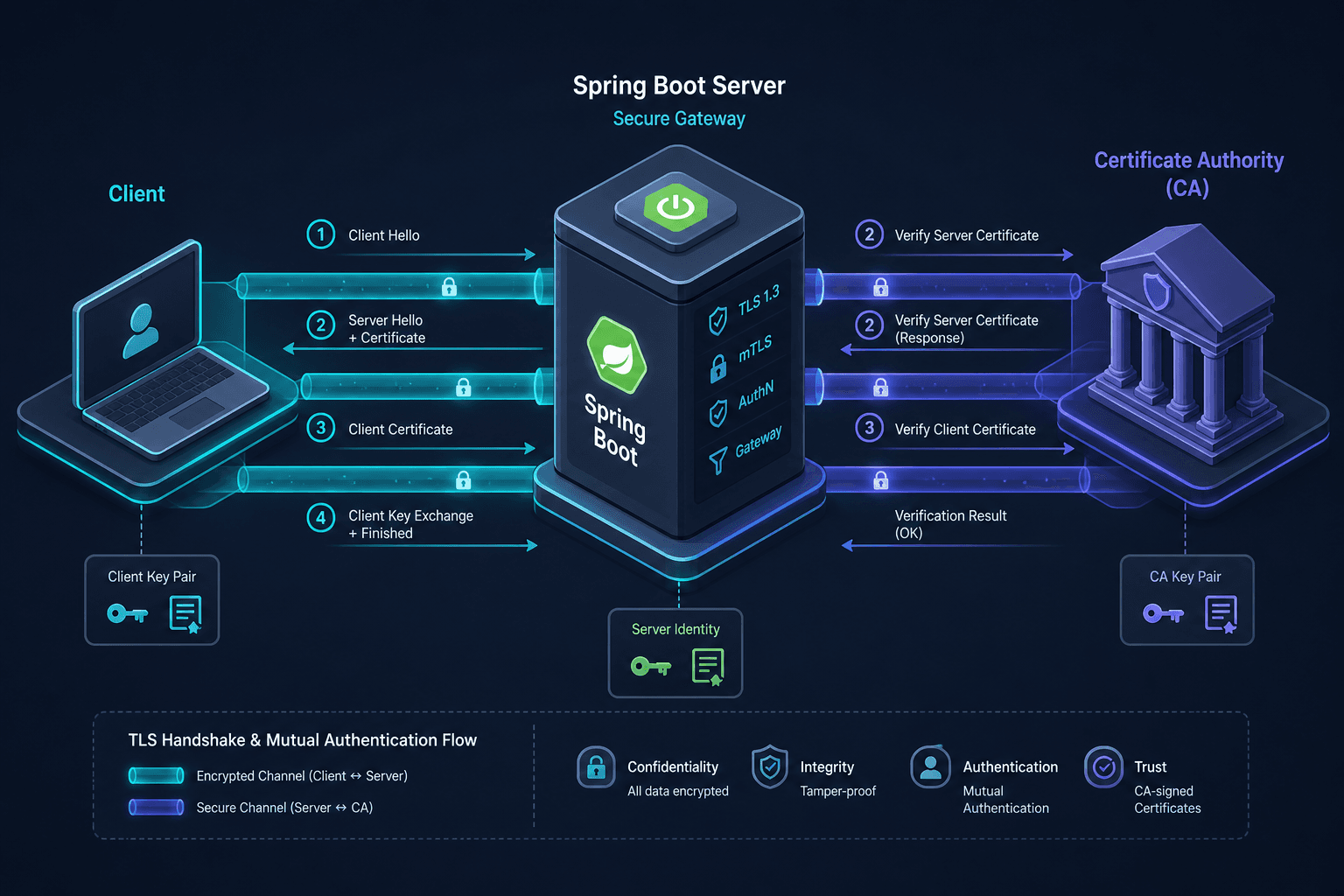
Part 5 · mTLS With Spring BootLearn how to implement TLS and mTLS in Spring Boot applications using modern SSL bundle configurations and client authentication settings.
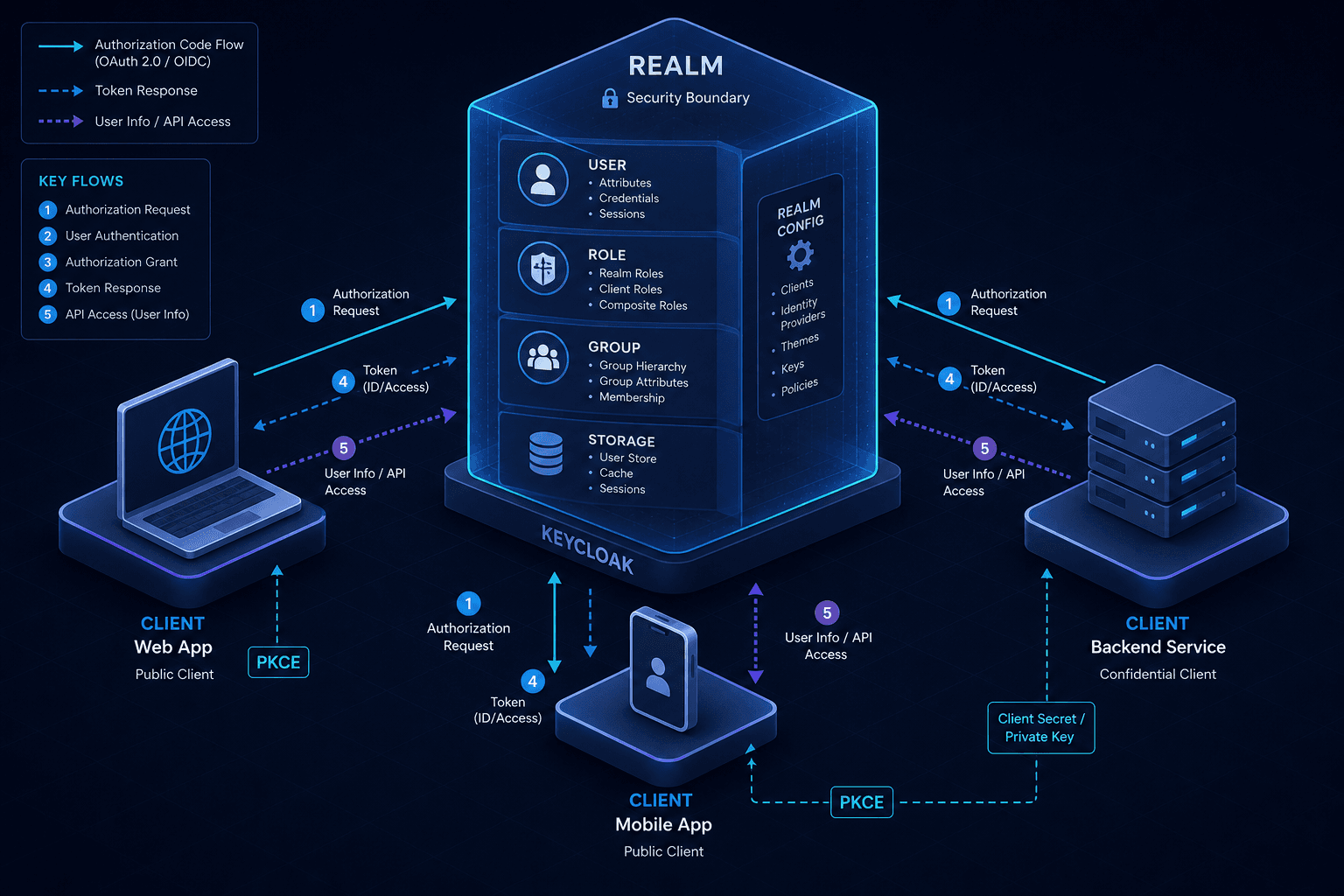
Part 3 · mTLS With Spring BootExplore the core components of Keycloak architecture, including realms, clients, and the data model, tailored for platform and identity engineers.
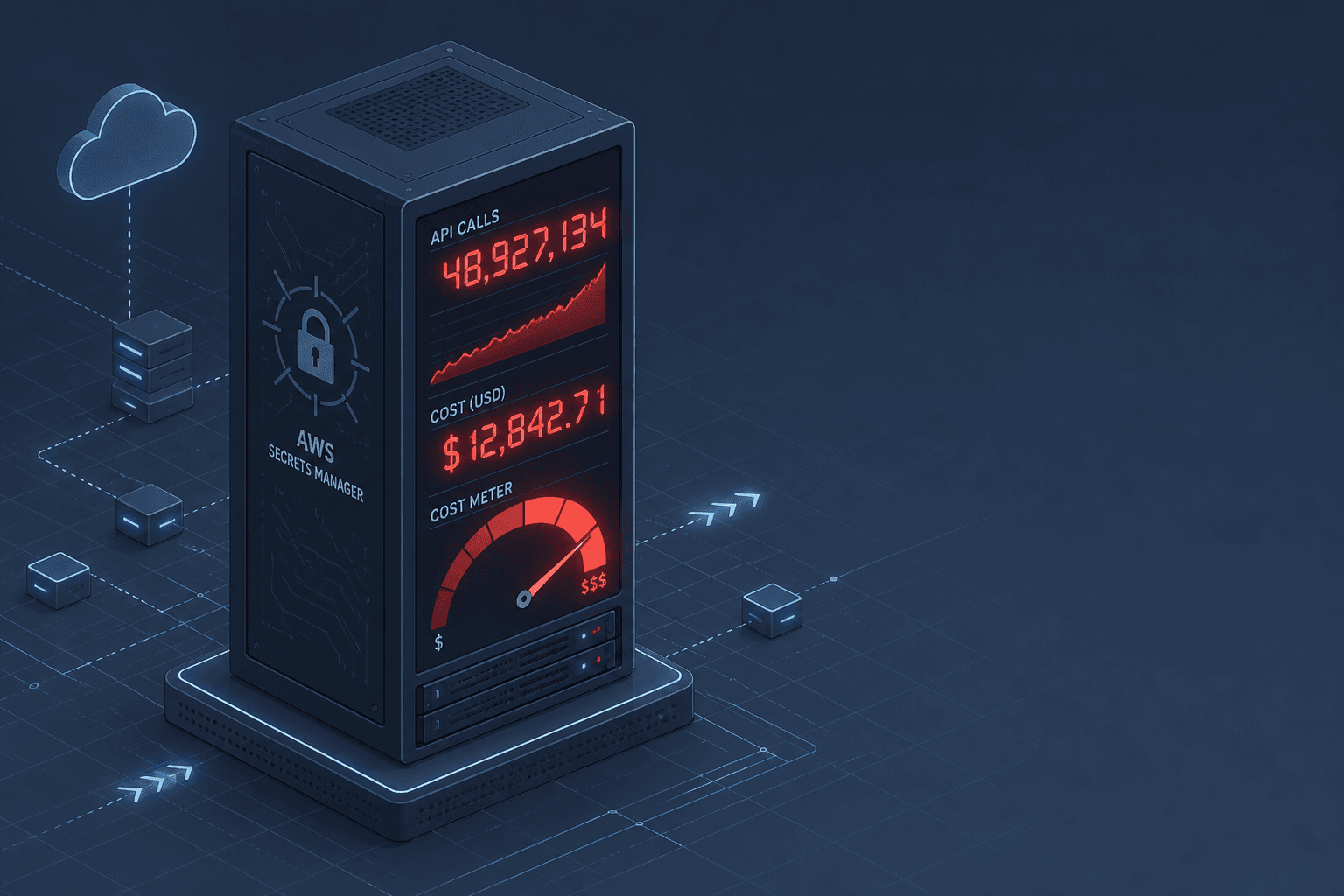
Part 1 · Keycloak in ProductionUnexpected AWS Secrets Manager bills often stem from high API call volumes. Learn how caching and consolidation can reduce costs.
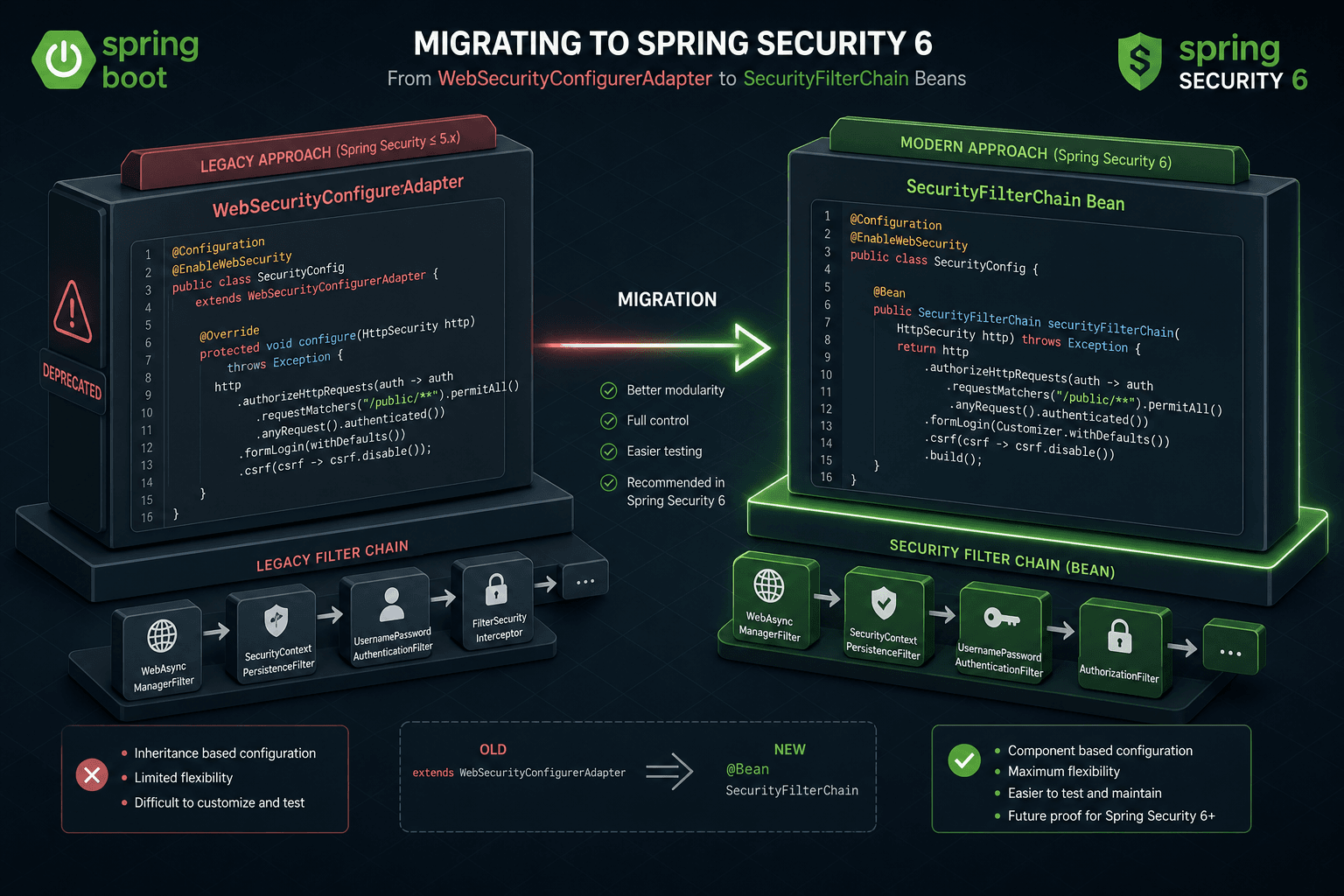
Part 5 · AWS Secrets and Key ManagementLearn how to replace the deprecated WebSecurityConfigurerAdapter with the new SecurityFilterChain bean pattern in Spring Boot 3.
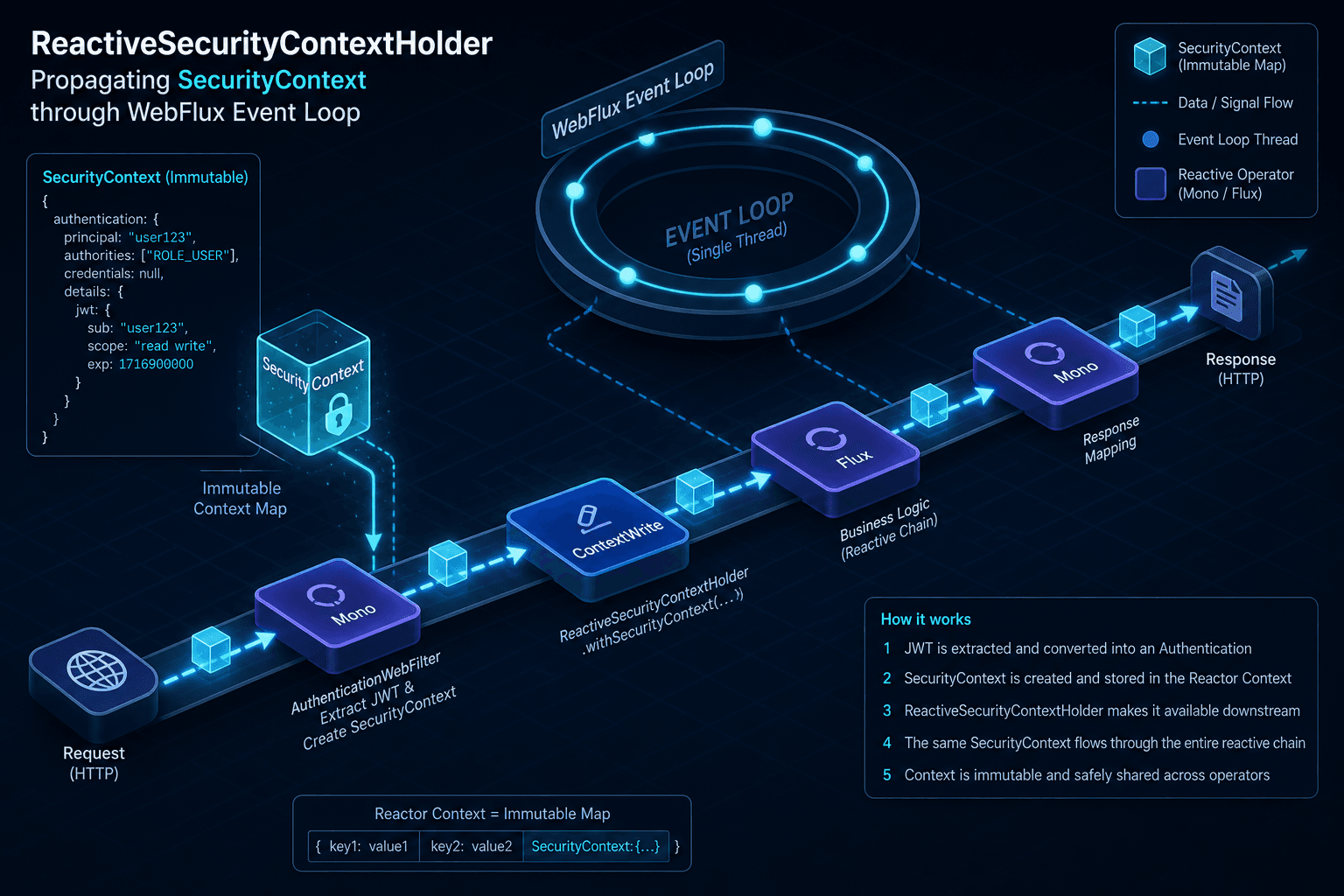
Part 9 · Spring Security Filter Chain MasteryLearn how to manage authentication context in reactive streams with ReactiveSecurityContextHolder and JWT tokens in Spring WebFlux.
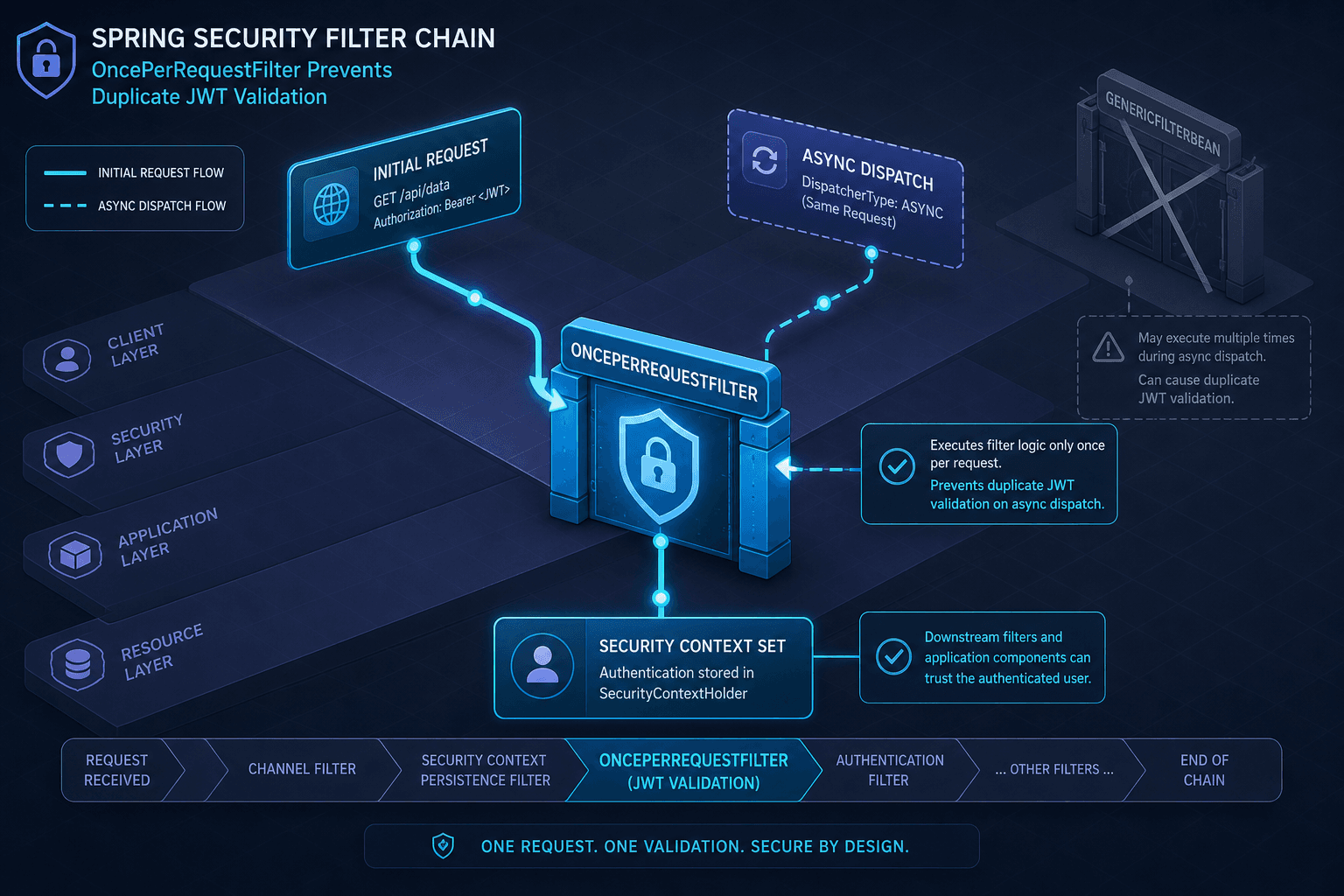
Part 7 · Spring Security Filter Chain MasteryWhy should you use OncePerRequestFilter instead of GenericFilterBean for JWT? This guide covers async dispatch handling, duplicate execution risks, and best practices.
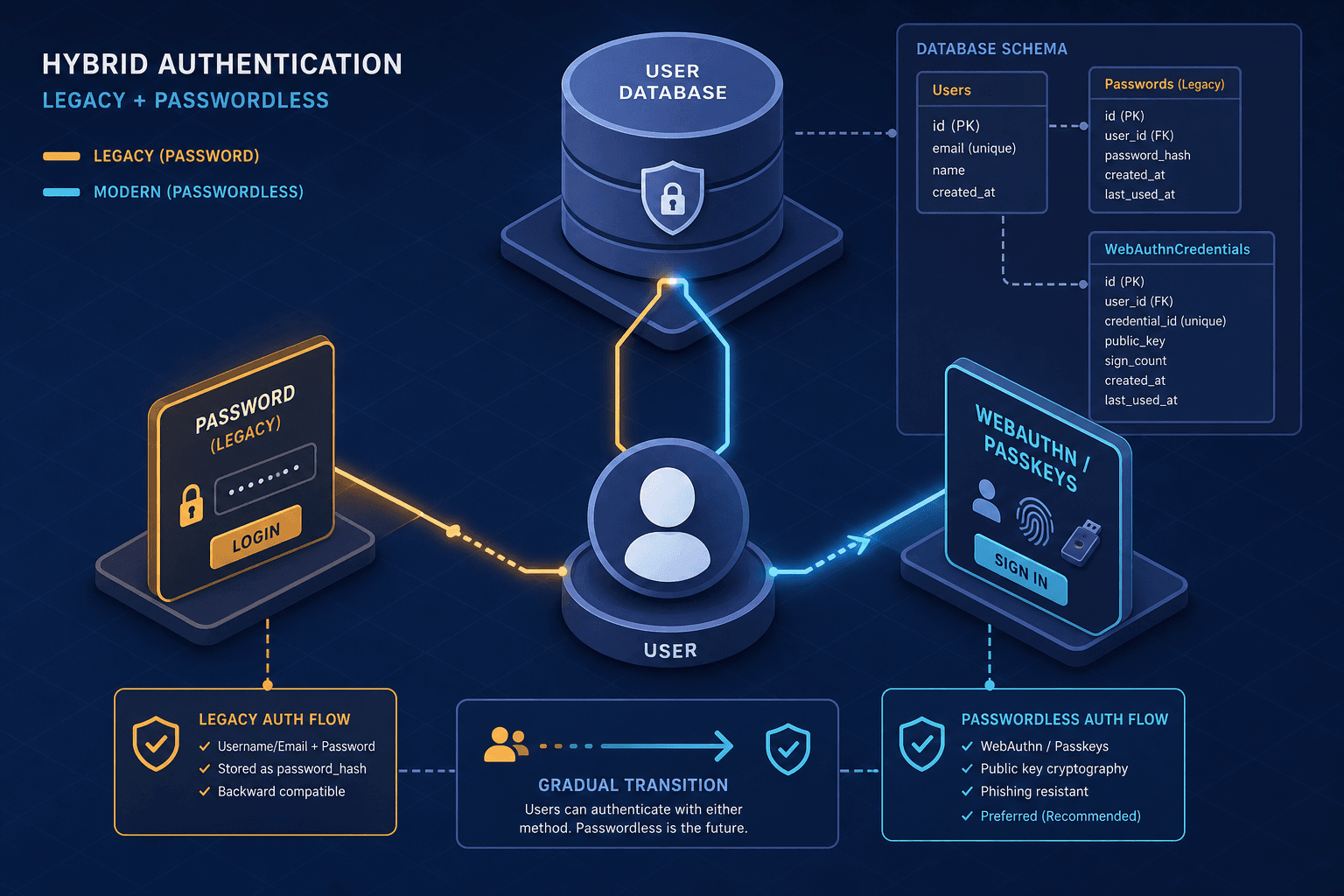
Part 4 · Spring Security Filter Chain MasteryLearn how to successfully transition your current users to passwordless authentication with a focus on enrollment, adoption, and a smooth rollout.
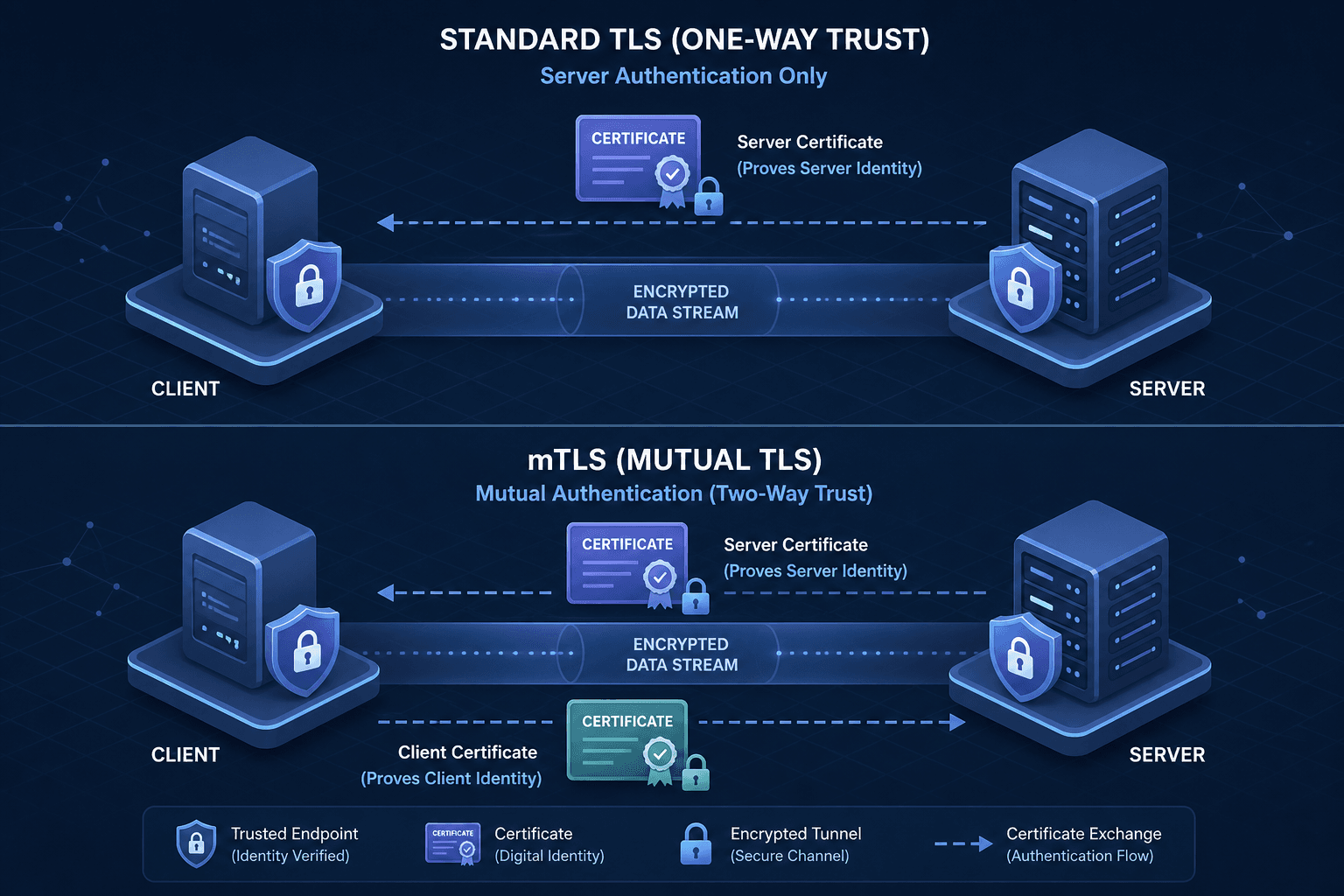
Part 6 · Passwordless AuthenticationUnderstand the core differences between TLS and mTLS, including how mutual authentication works with keystores and truststores in backend systems.
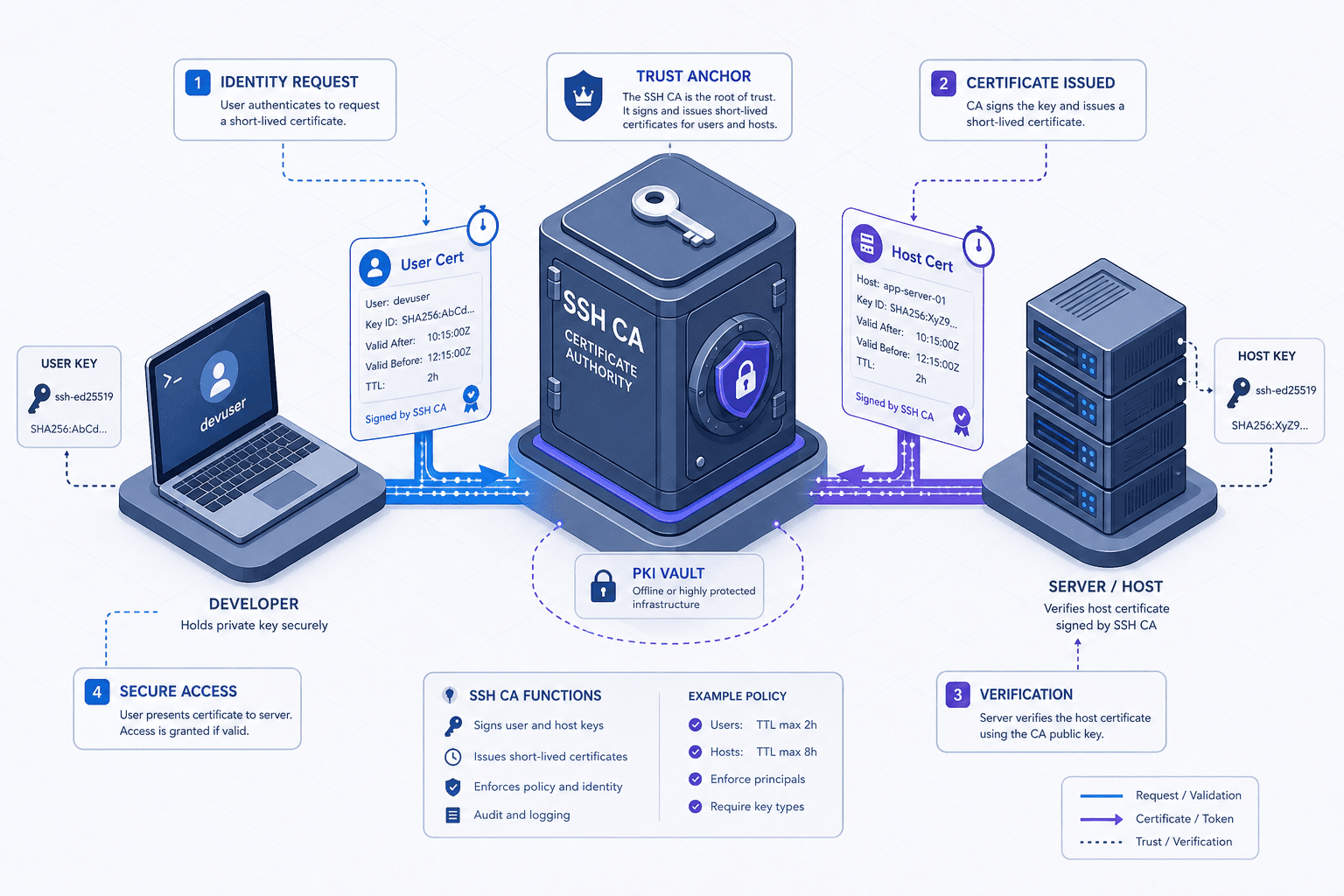
Part 1 · mTLS With Spring BootA technical walkthrough for platform engineers and SREs on deploying SSH certificate authorities, managing short-lived keys, and centralizing authentication for secure infrastructure.
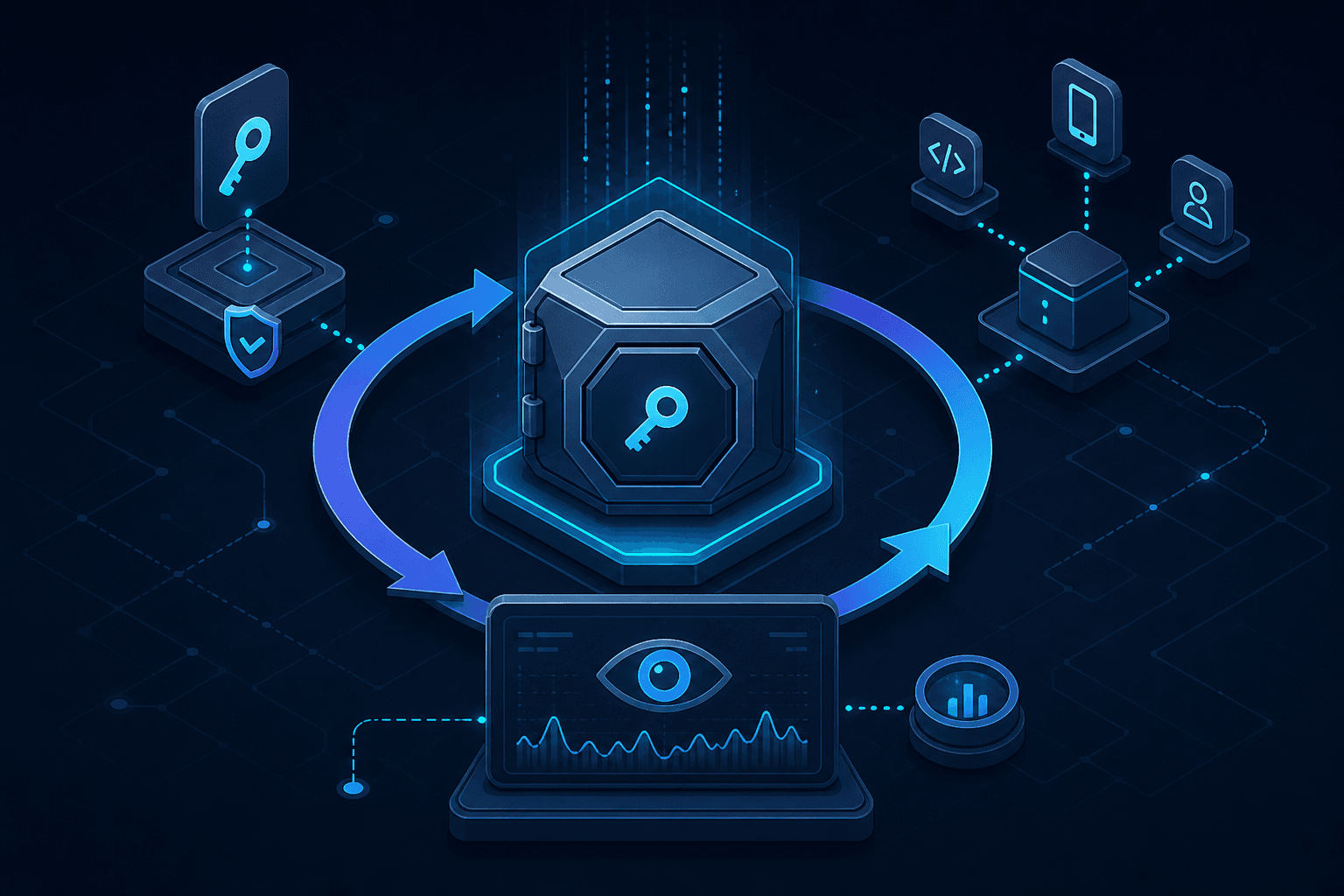
Part 6 · Machine Identity and Workload AuthLearn how to securely manage API keys through rotation, storage, and monitoring strategies tailored for backend and platform engineering teams.
Part 5 · Machine Identity and Workload Auth