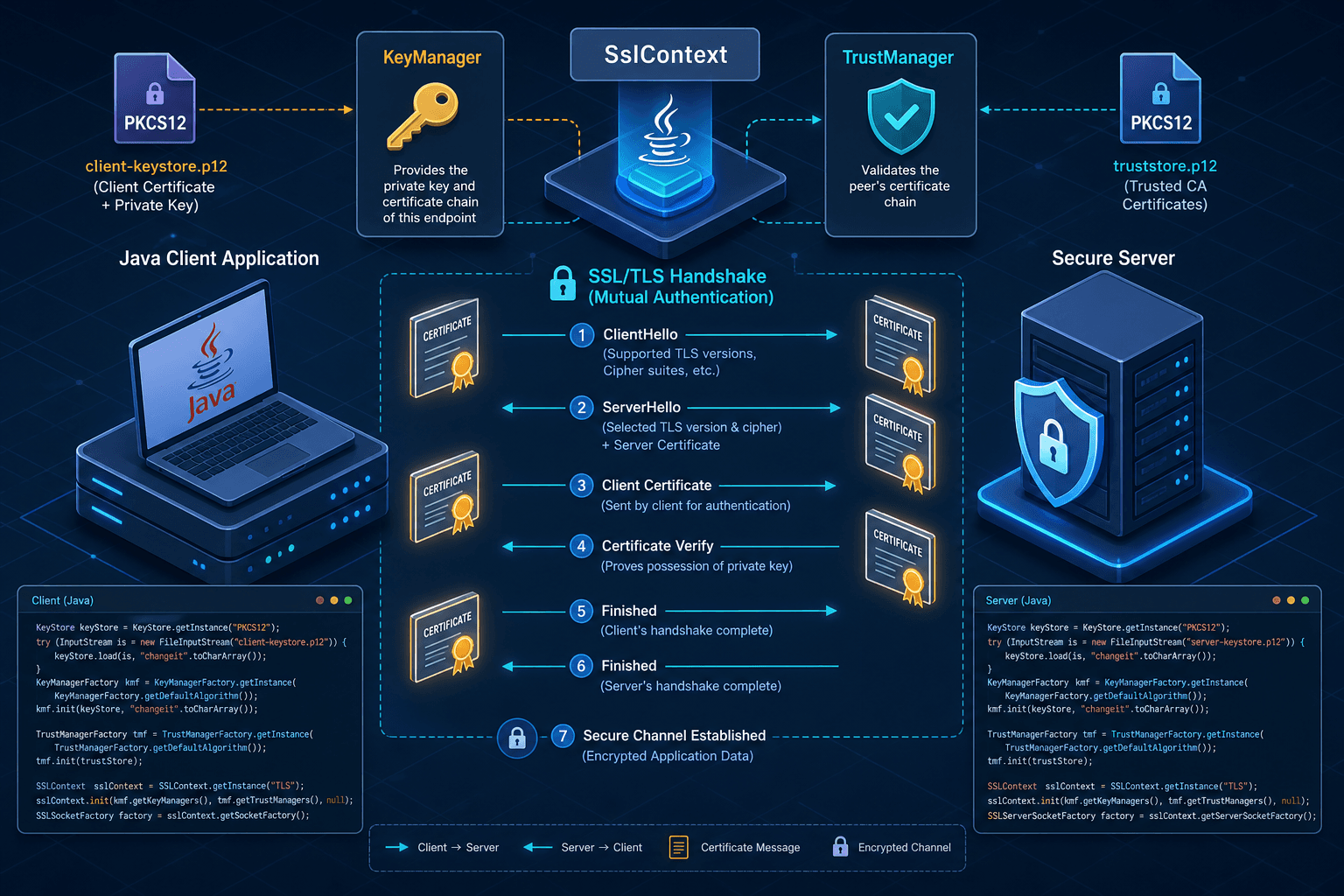
Calling mTLS Services With RestClient and WebClient
A practical guide to implementing mutual TLS (mTLS) in Java using RestClient and WebClient, including certificate configuration and troubleshooting common SSL errors.
Part 7 · mTLS With Spring BootBlog
Practical guides on OAuth 2.0, OpenID Connect, SAML, Keycloak, and the platform engineering behind identity systems.
595 posts · page 1 of 30
A practical guide to implementing mutual TLS (mTLS) in Java using RestClient and WebClient, including certificate configuration and troubleshooting common SSL errors.
Part 7 · mTLS With Spring BootLearn how to structure and design an effective attribute model for ABAC systems, focusing on subject, resource, and environment attributes.
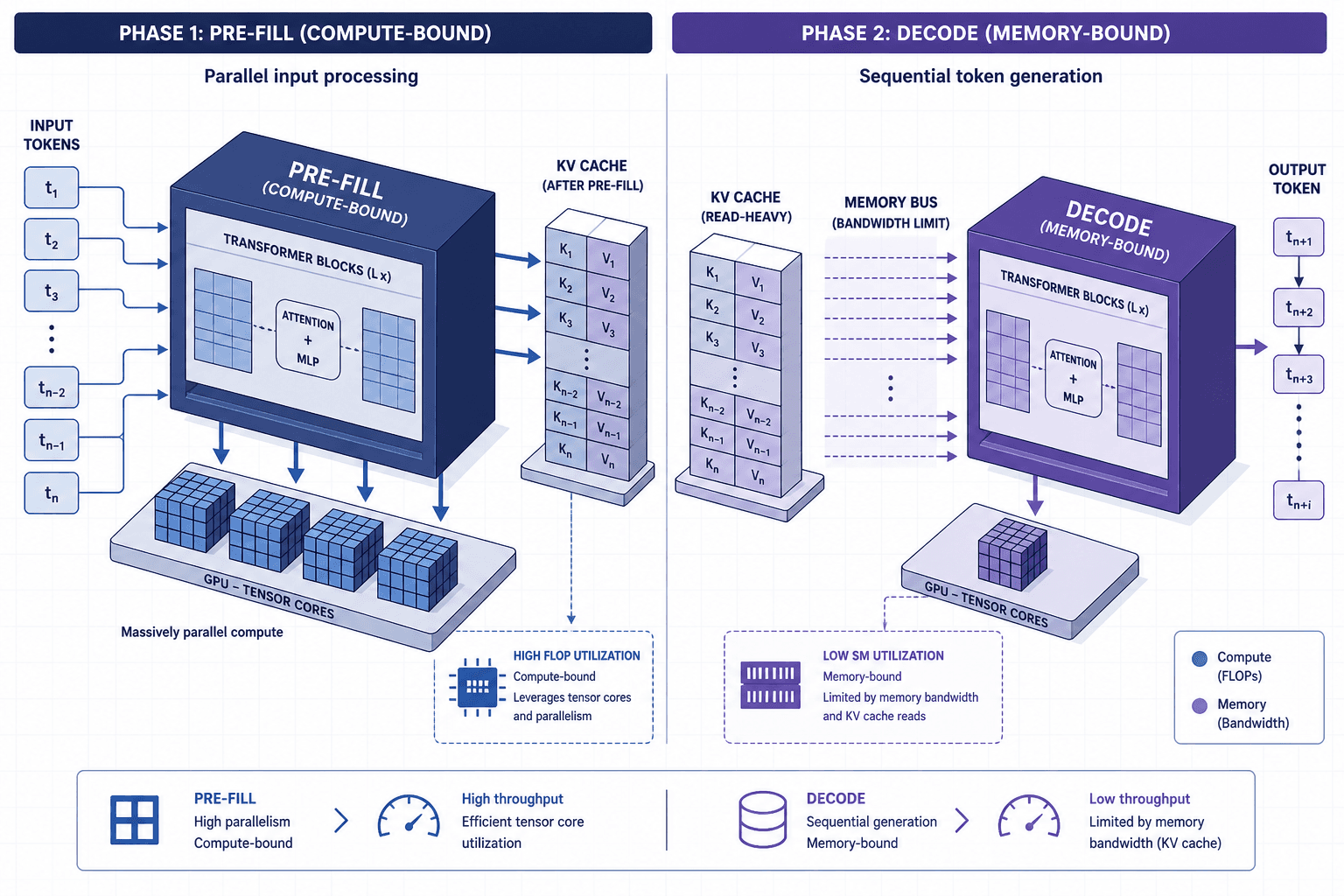
Part 2 · Attribute-Based Access ControlExplore how SGLang uses RadixAttention and prefix caching to significantly boost throughput and efficiency in large language model serving.
Learn how to simulate realistic LLM traffic for accurate load testing, focusing on arrival rates, capacity planning, and system saturation.
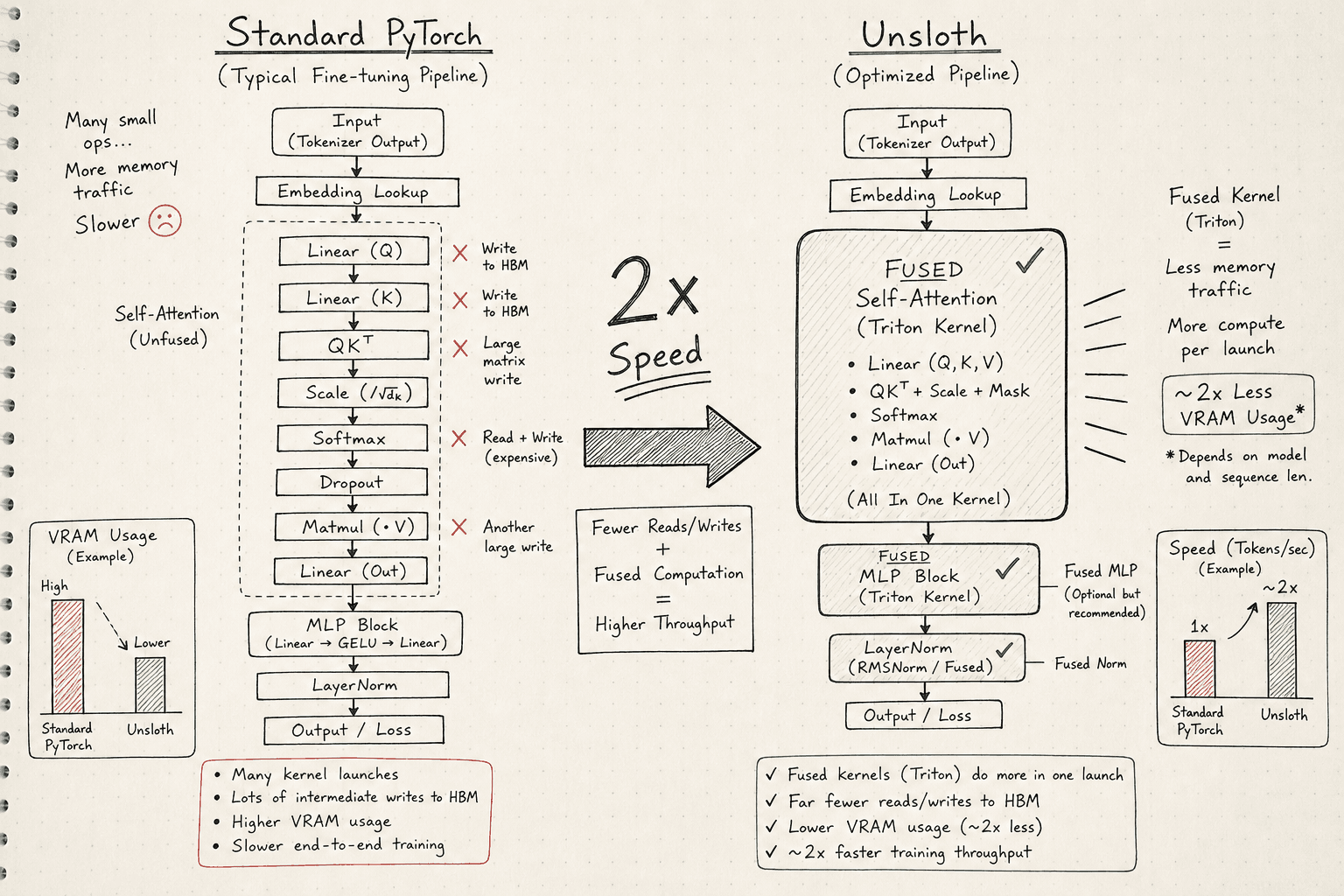
Discover how Unsloth leverages Triton kernels and LoRA to double fine-tuning speed, making advanced model training accessible on a single GPU.
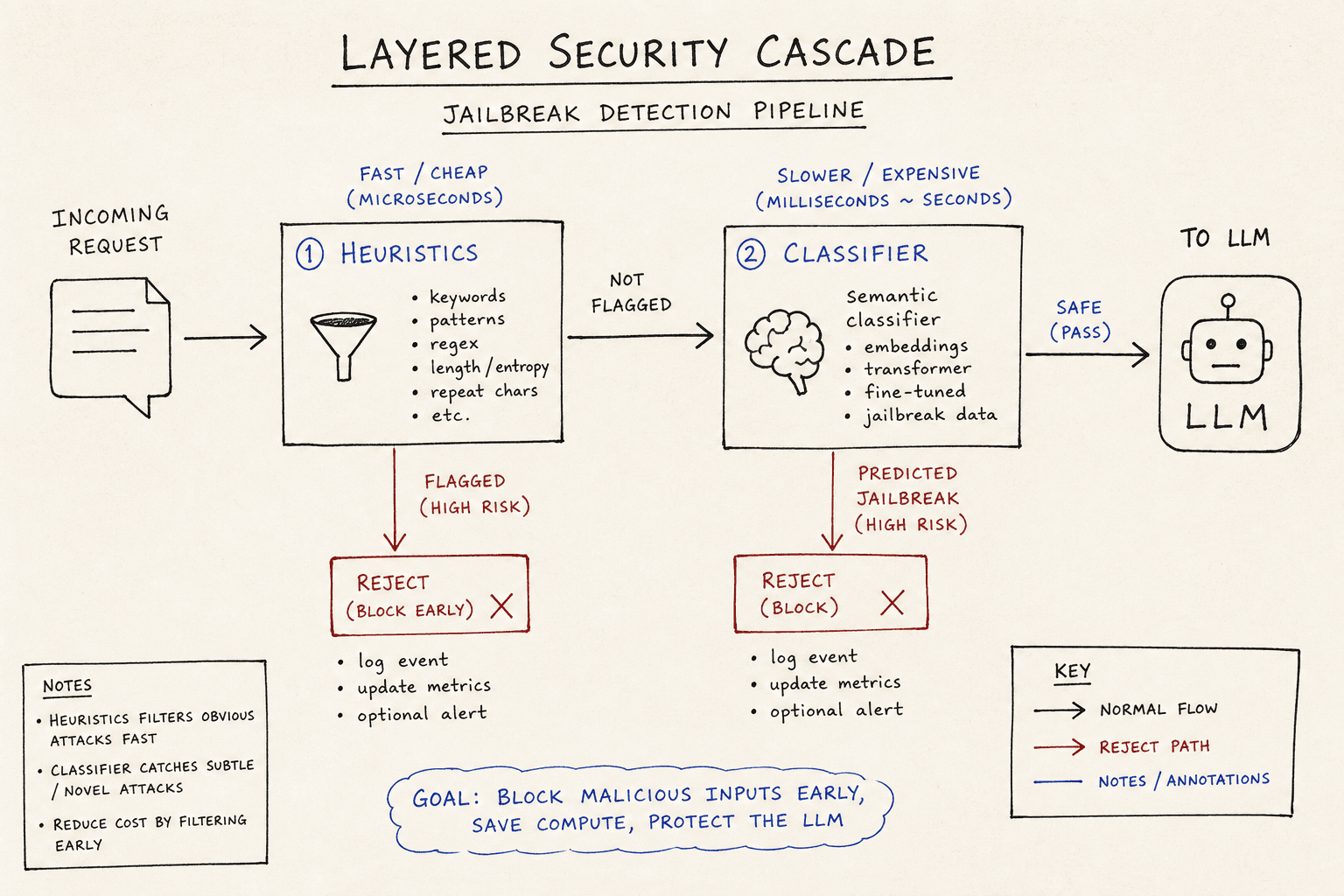
Part 10 · Fine-Tuning LLMs Hands-OnA technical look at jailbreak detection strategies, balancing classifier accuracy and heuristic speed against latency and operational costs.
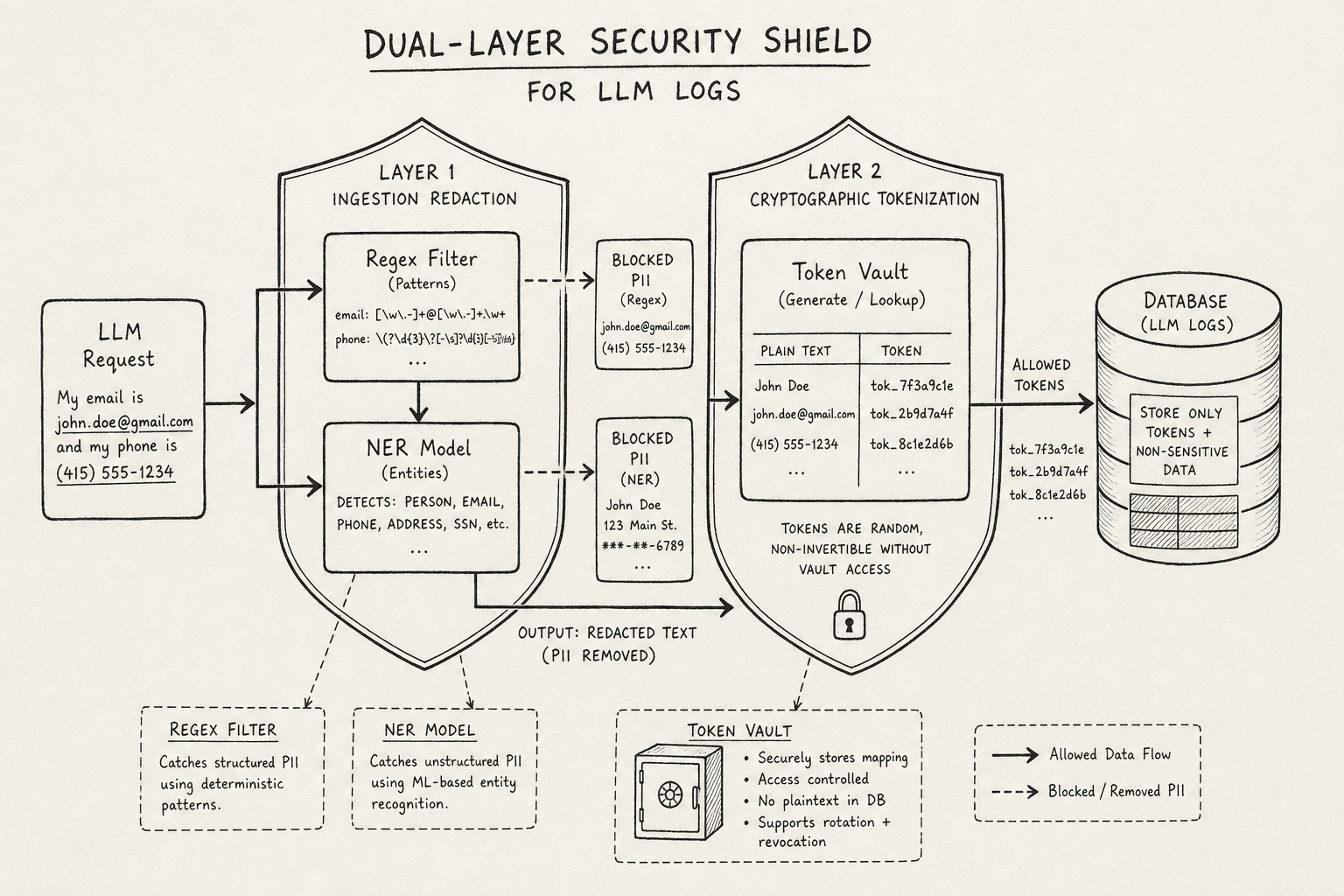
Part 5 · AI Security & GuardrailsLearn how to build an effective PII redaction layer for LLM logs, ensuring privacy compliance through effective tokenization and data retention strategies.
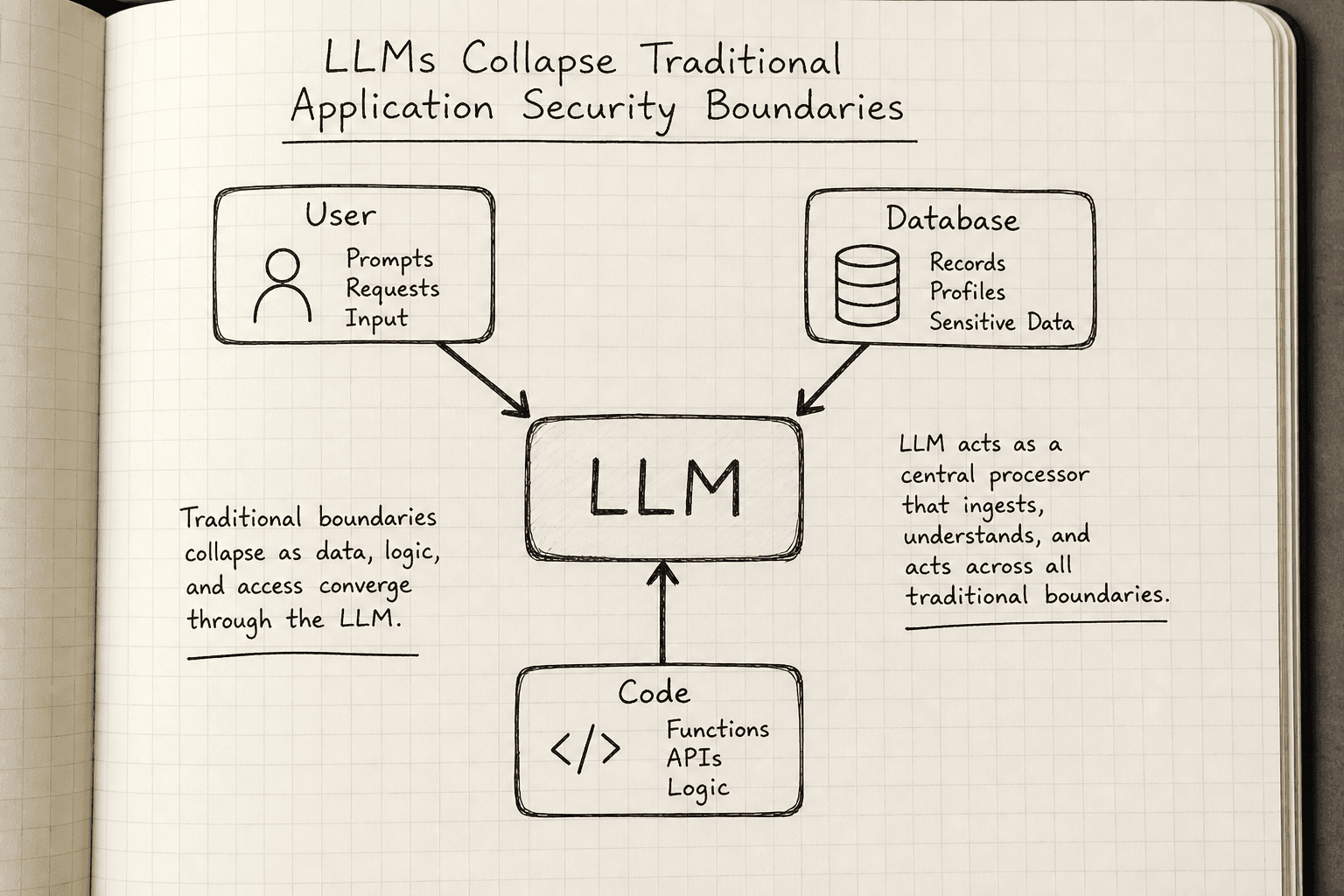
Part 8 · AI Security & GuardrailsExplore applied security measures for LLM applications based on the OWASP Top 10. Includes checklists, mitigations, and appsec review strategies.
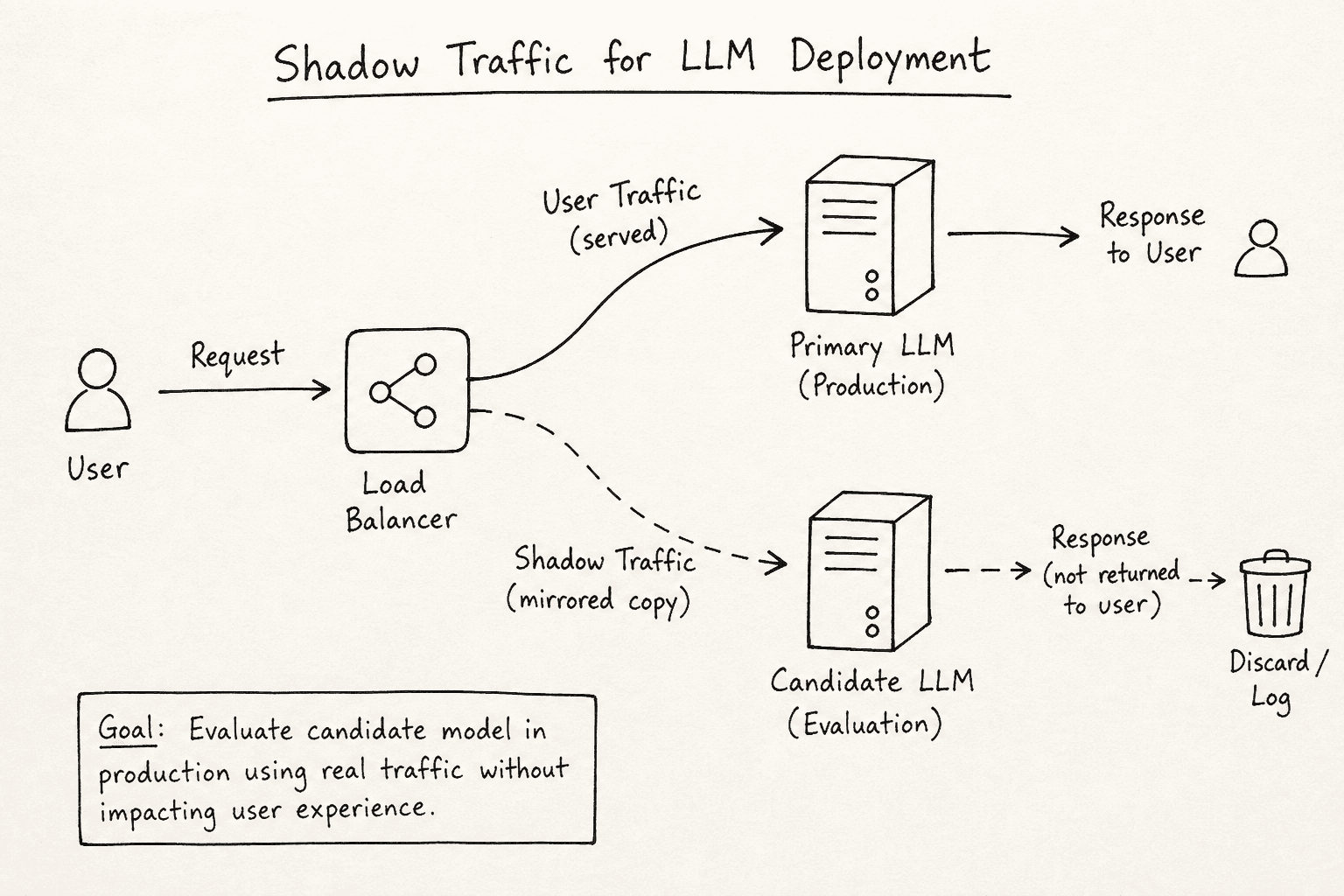
Part 7 · AI Security & GuardrailsLearn how to deploy candidate LLMs using shadow traffic and traffic mirroring to compare performance and detect side effects before full rollout.
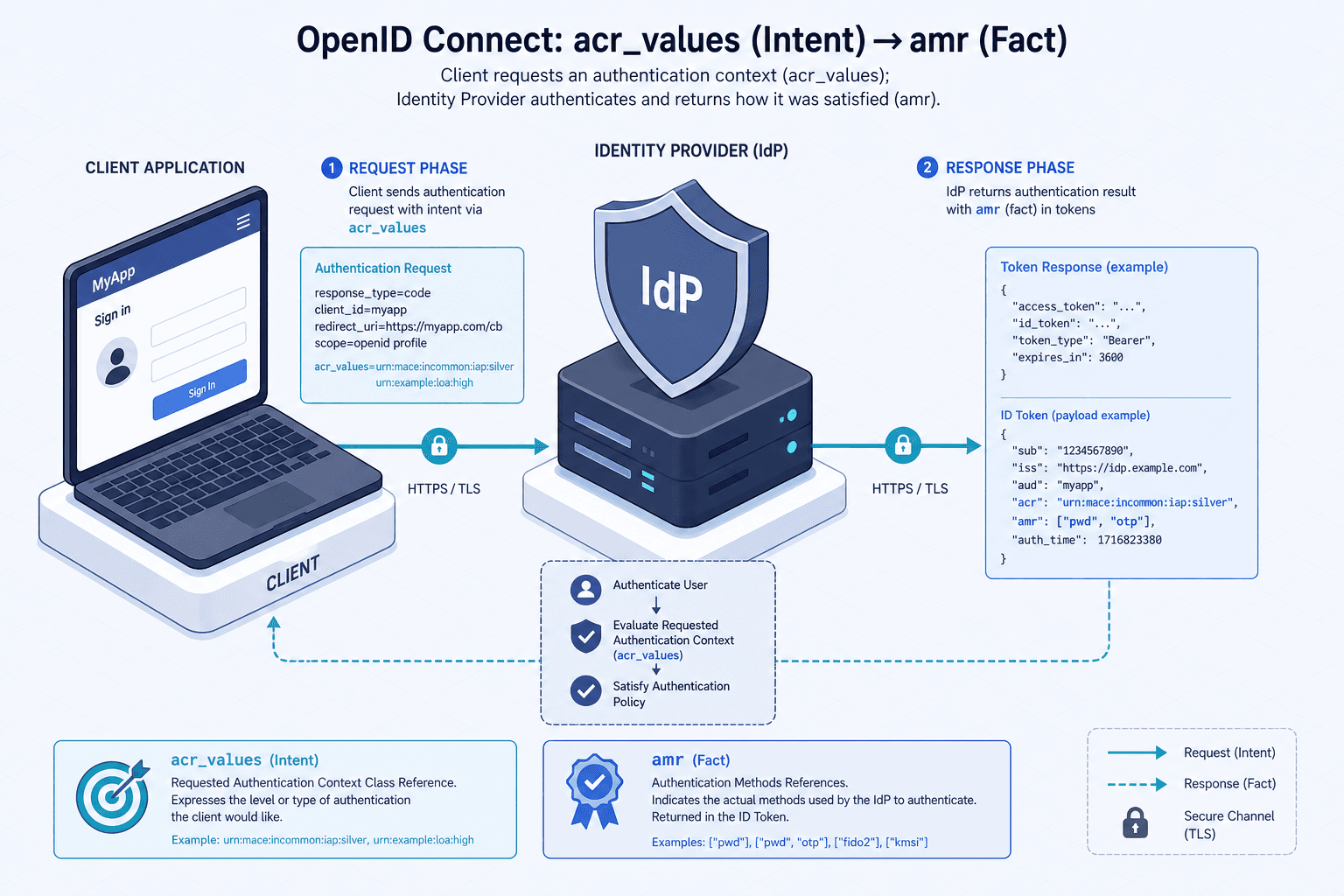
Learn to implement secure identity verification by leveraging acr_values for request context and amr for response verification in OIDC flows.
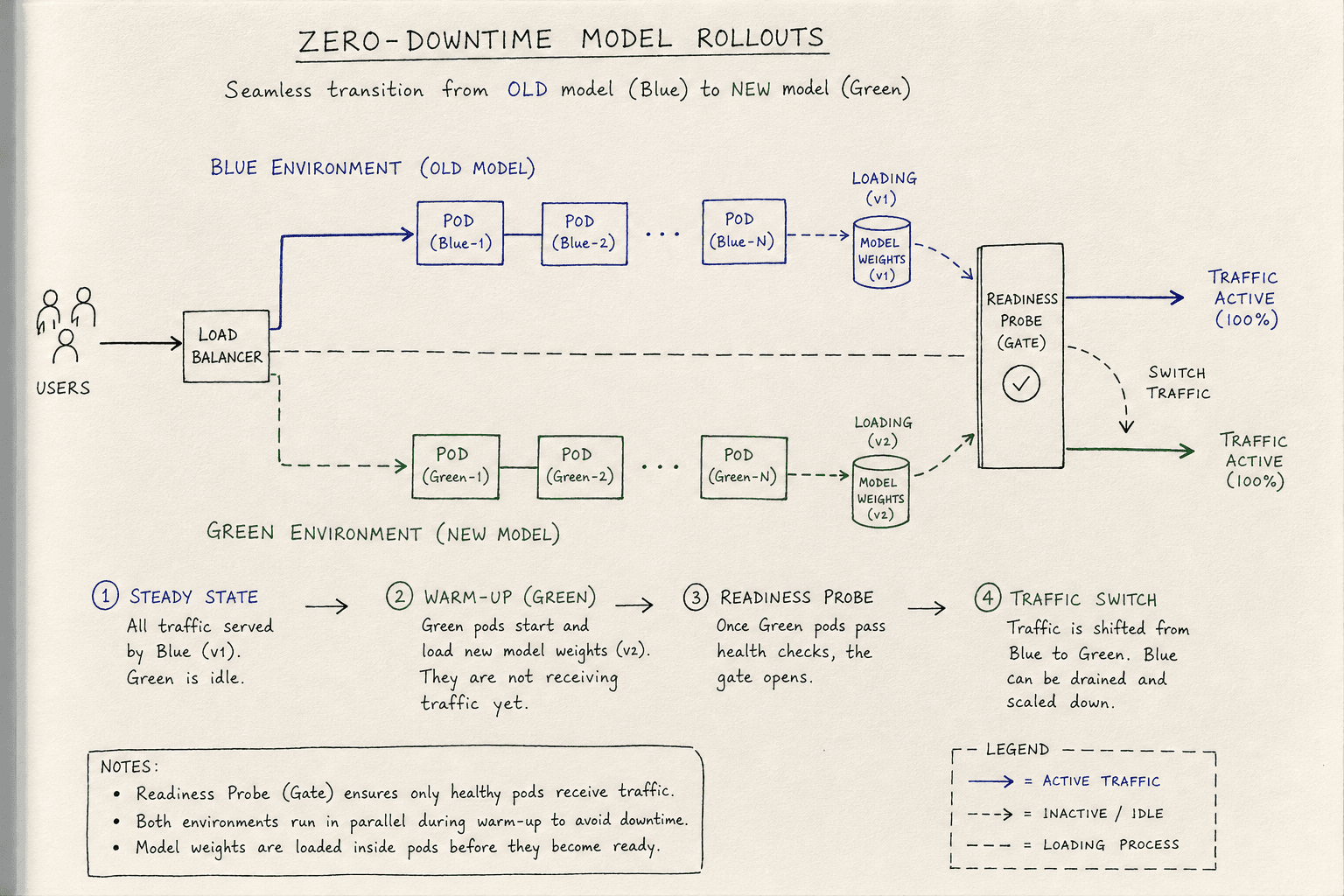
Learn how to deploy machine learning models without service interruption using blue-green patterns, rolling updates, and readiness probes.
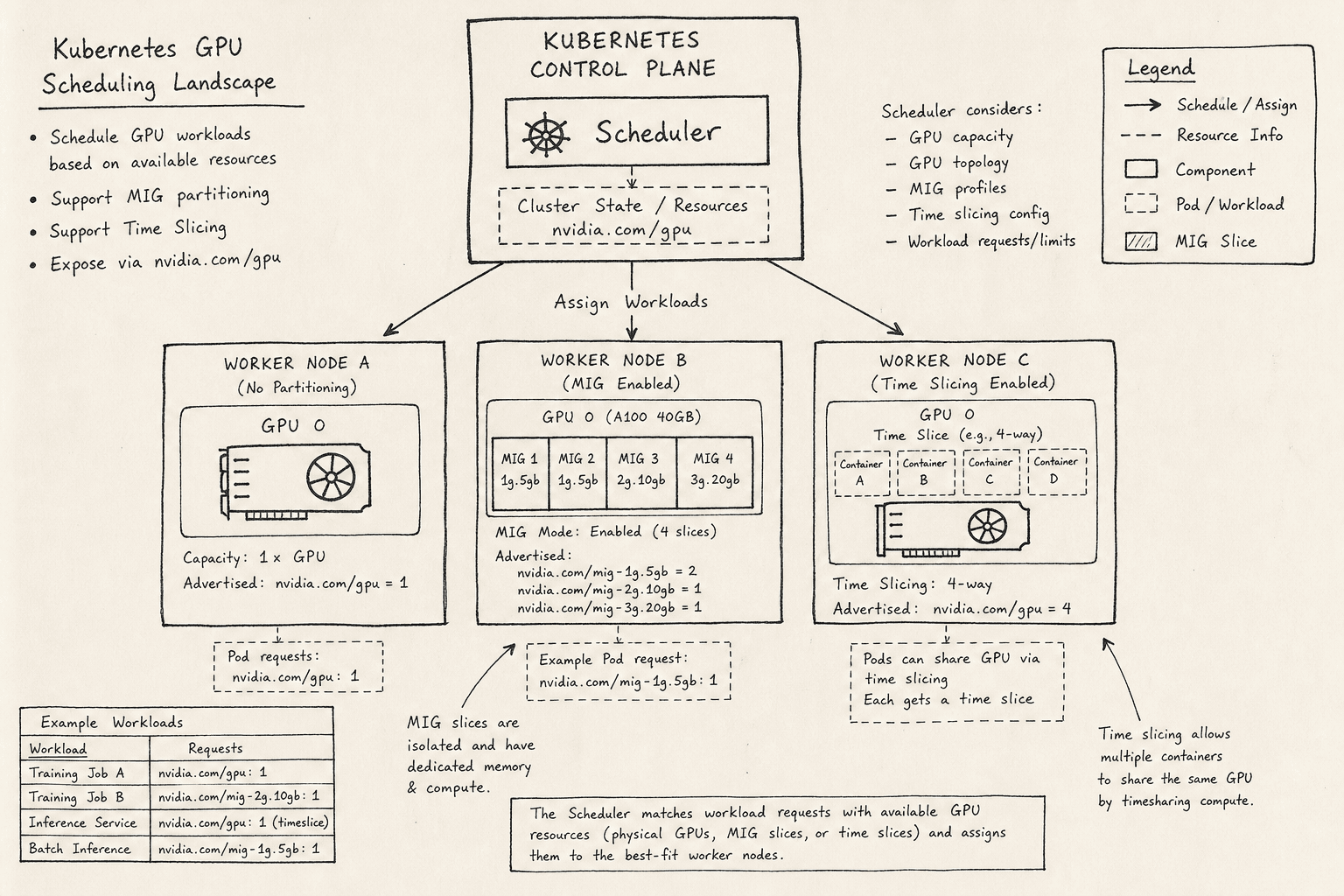
A technical guide to managing GPU workloads in Kubernetes, covering scheduling strategies, MIG, and time slicing for efficient resource utilization.
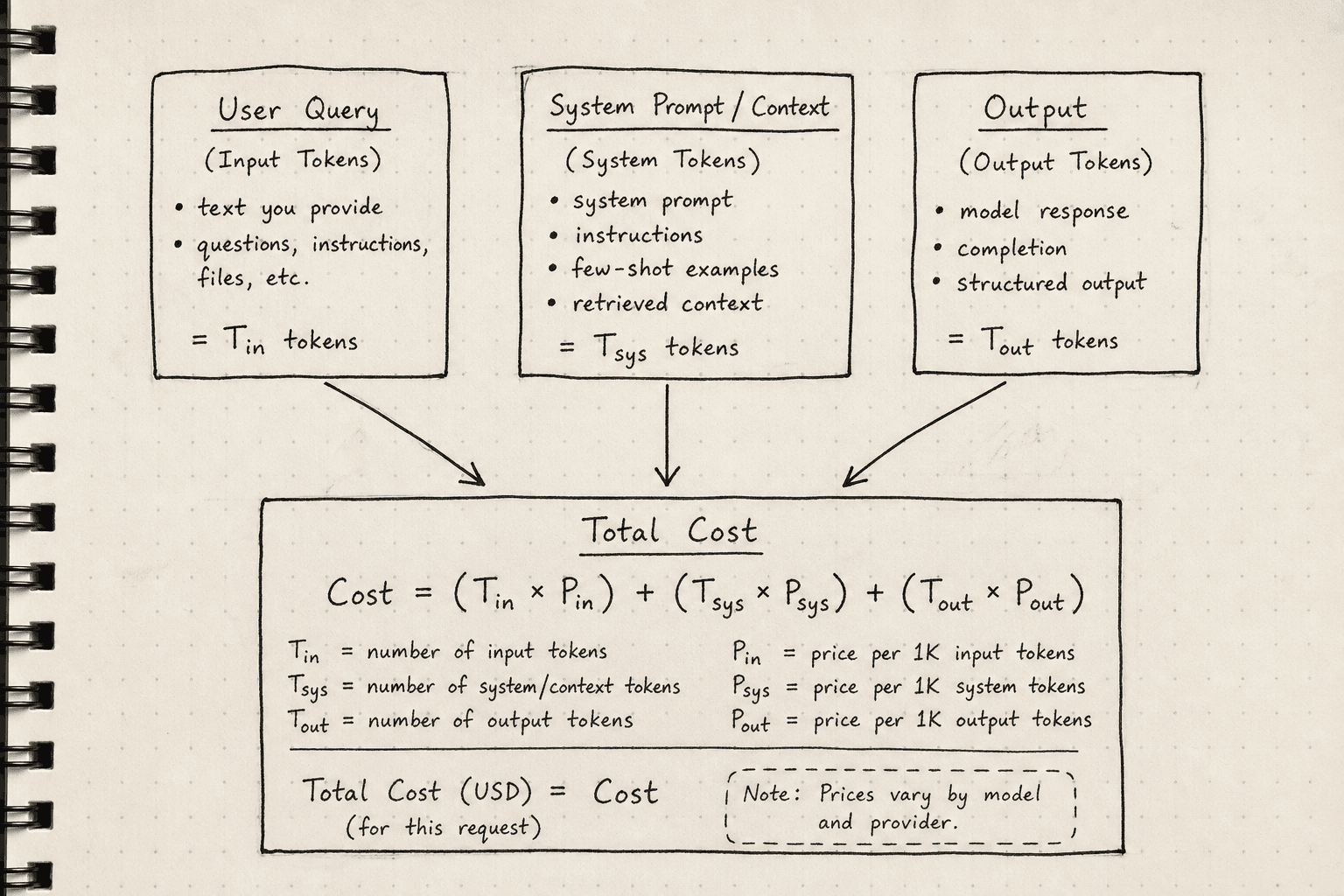
Learn how to accurately forecast LLM expenses before development begins. This guide covers unit economics, token forecasting, and sensitivity analysis for engineering leaders.
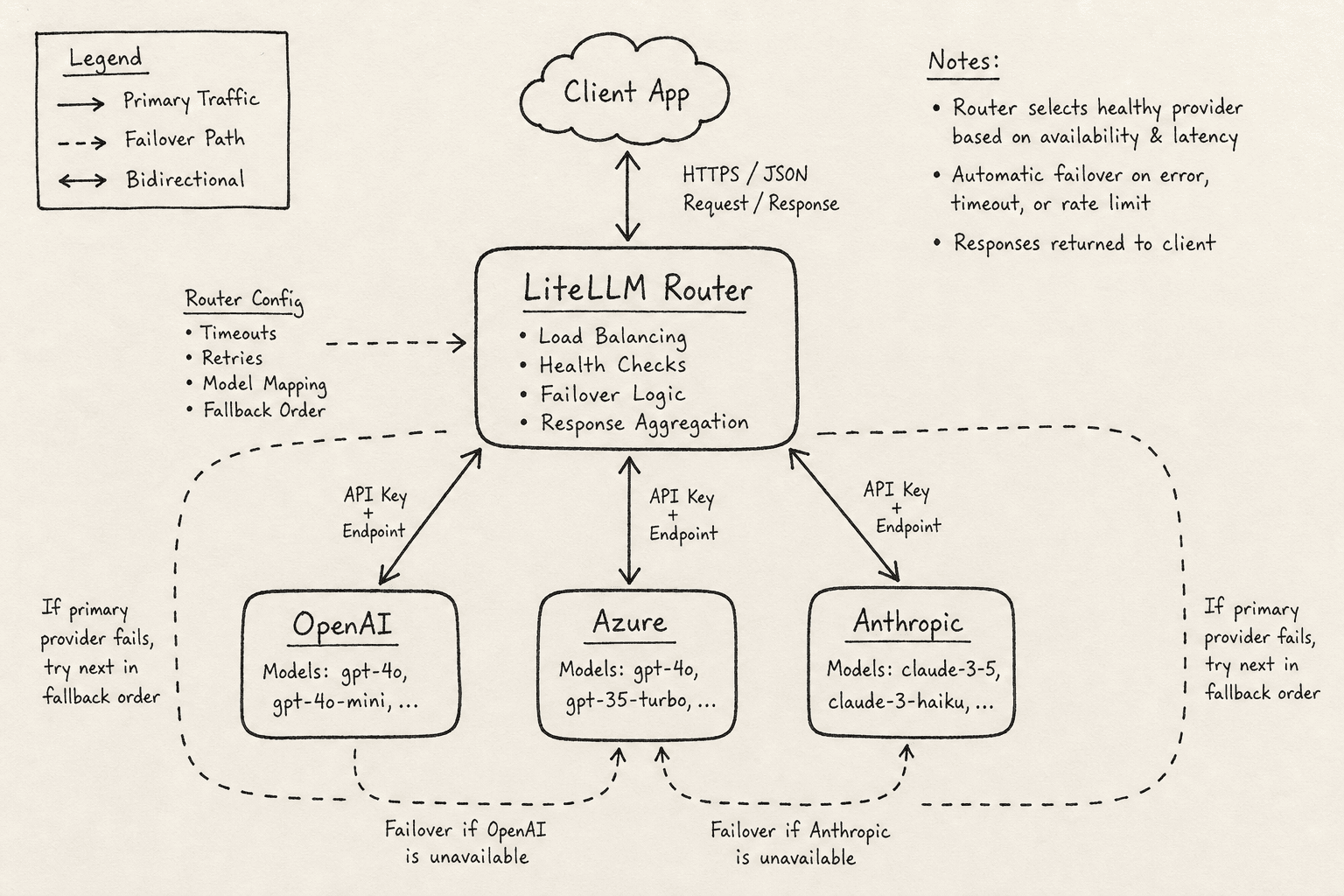
Learn how to configure LiteLLM's router for automatic failover across multiple AI providers, ensuring high availability and resilience for your backend applications.
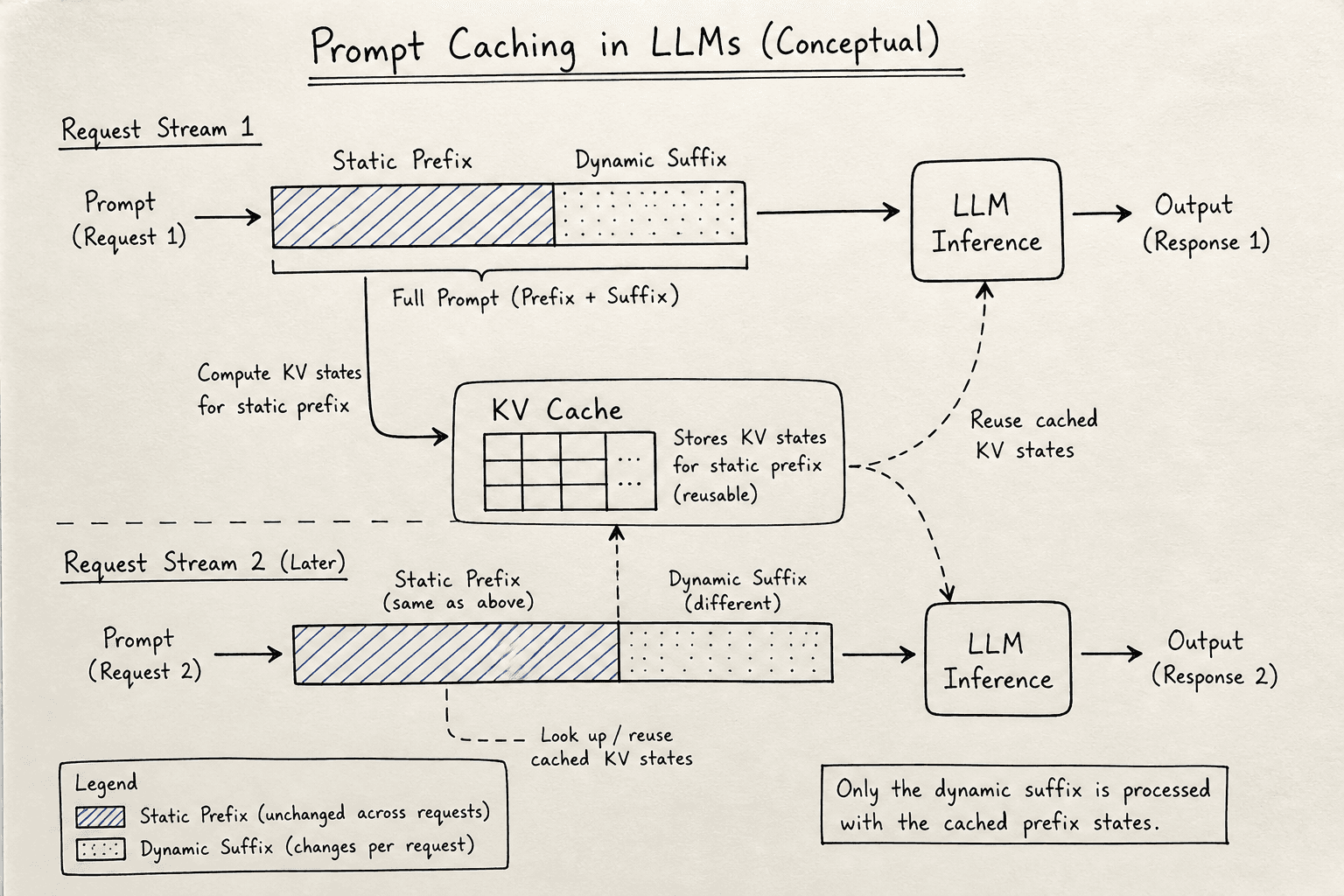
Explore how different AI providers handle prompt caching, including cache TTL limits, cost implications, and prefix matching techniques to optimize API usage.
Ensure your LLM evaluation results are reliable by understanding statistical significance, variance, and bootstrap sampling techniques for robust testing.
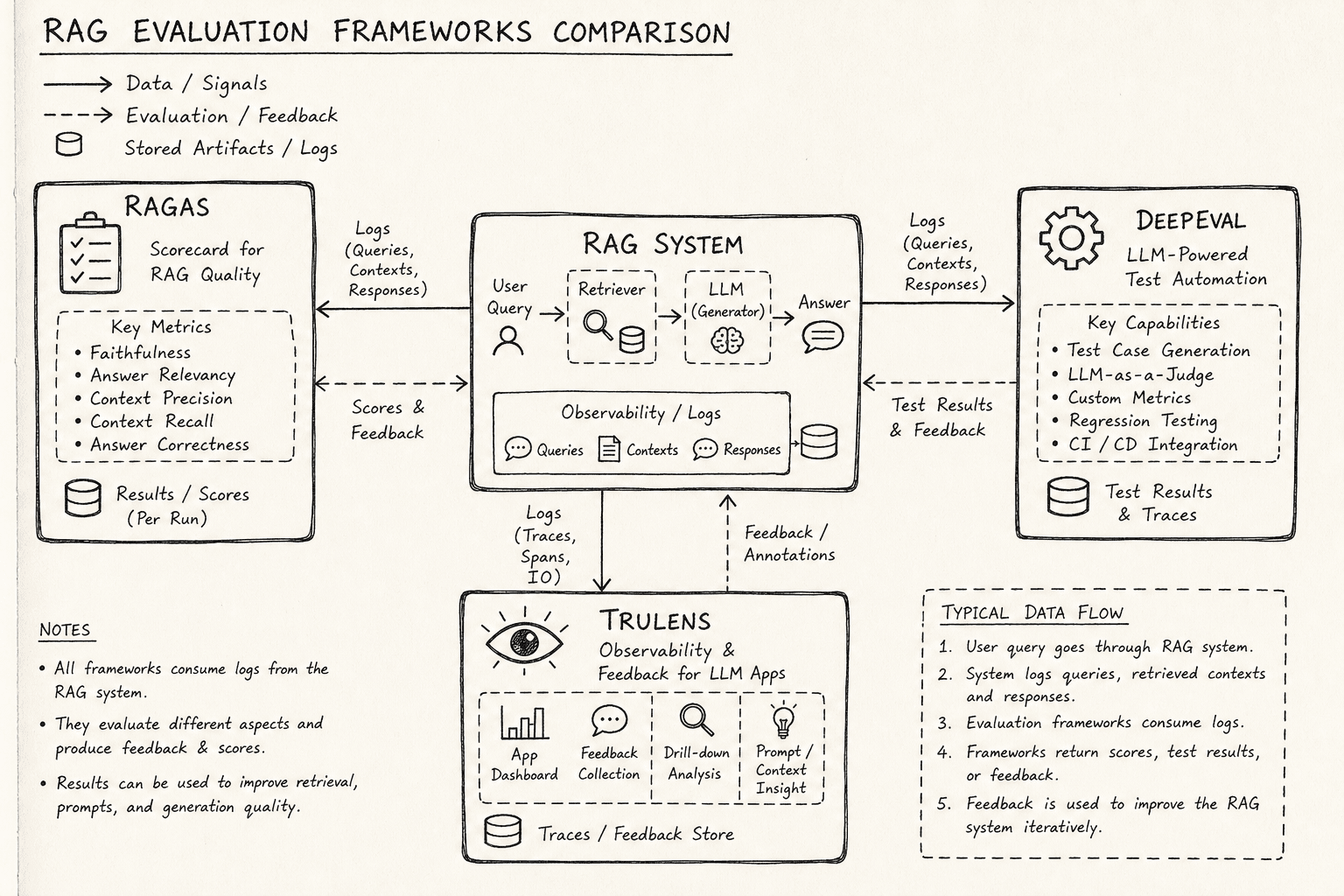
Part 7 · LLM Evaluation EngineeringCompare Ragas, DeepEval, and TruLens for RAG evaluation. See how metric frameworks differ to help ML engineers select the best tool.
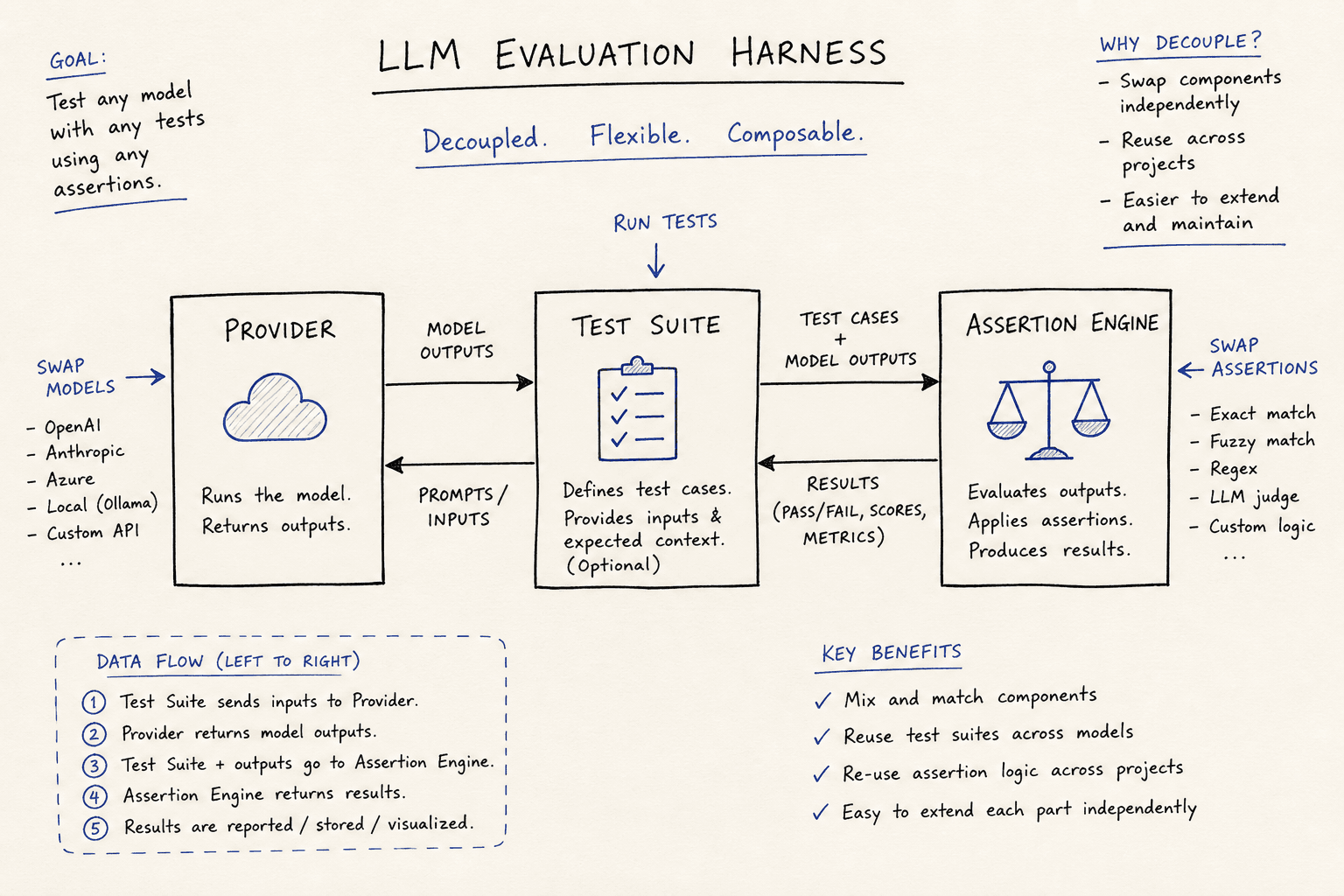
Learn how to implement a structured evaluation harness with promptfoo, covering assertions, CI integration, and effective prompt comparison strategies.
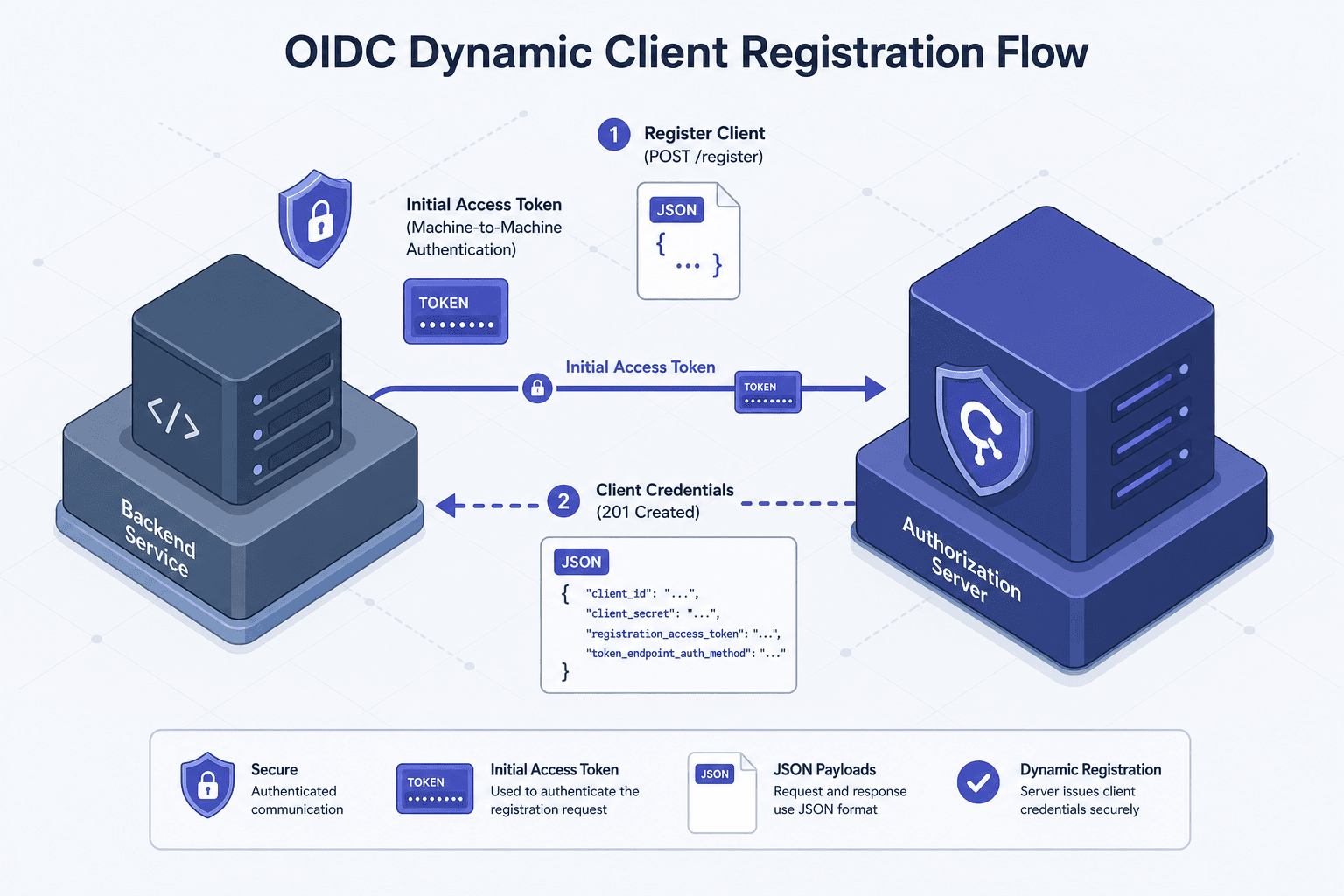
Learn how to implement RFC 7591 for dynamic client registration in OIDC, managing initial access tokens and automating client lifecycle for platform engineers.
Part 11 · OAuth 2.0 RFCs Every Engineer Should ReadExplore how SLERP, TIES, and DARE enable effective model merging, allowing engineers to combine specialized models without full retraining.