6 min readDevelopment
SGLang's RadixAttention, Explained
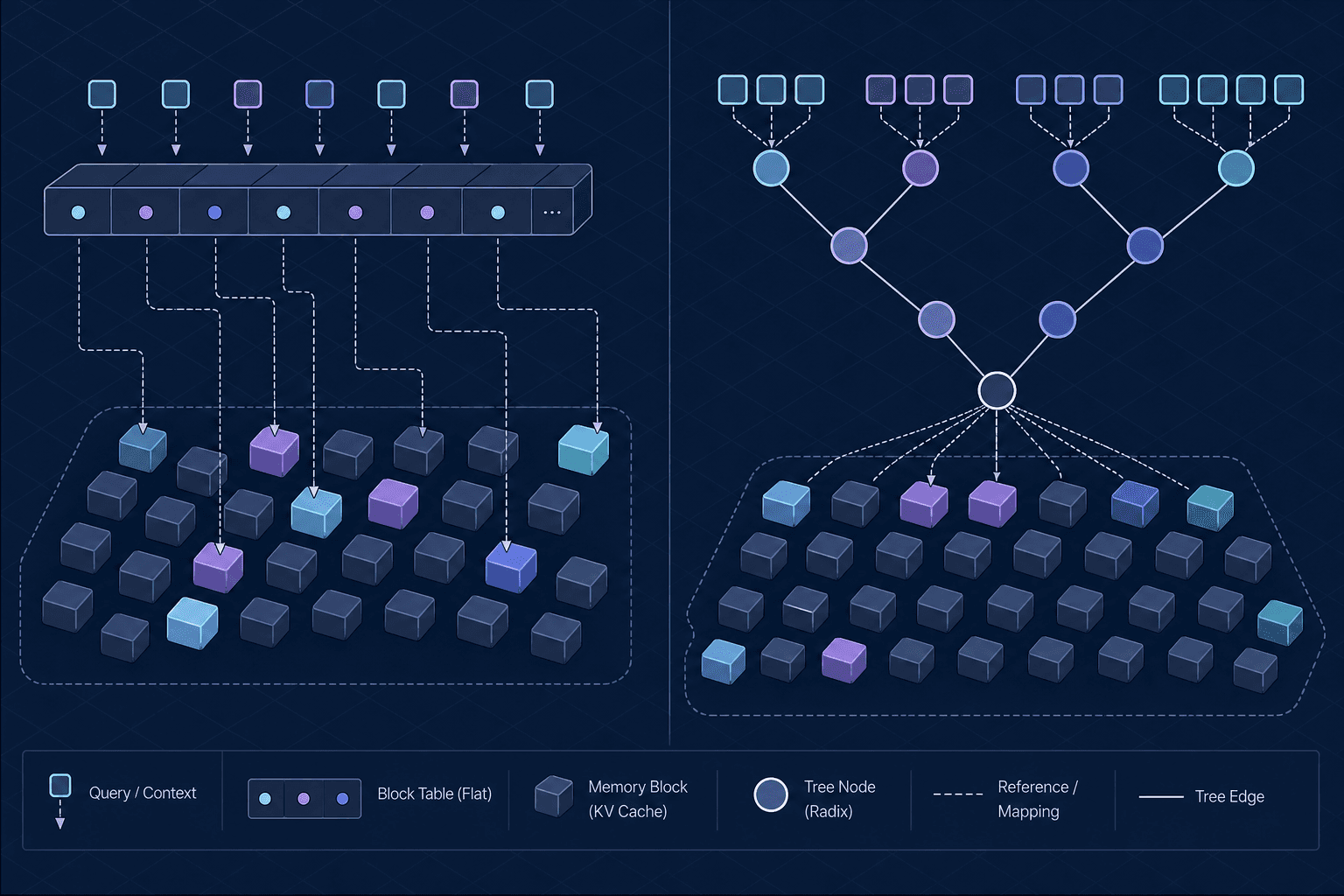
Explore how SGLang uses RadixAttention and prefix caching to significantly boost throughput and efficiency in large language model serving.
Tag
Read 14 articles on Llm Optimization by Ashish Srivastava — practical guides covering implementation patterns, security, and production lessons.
14 posts
Explore how SGLang uses RadixAttention and prefix caching to significantly boost throughput and efficiency in large language model serving.
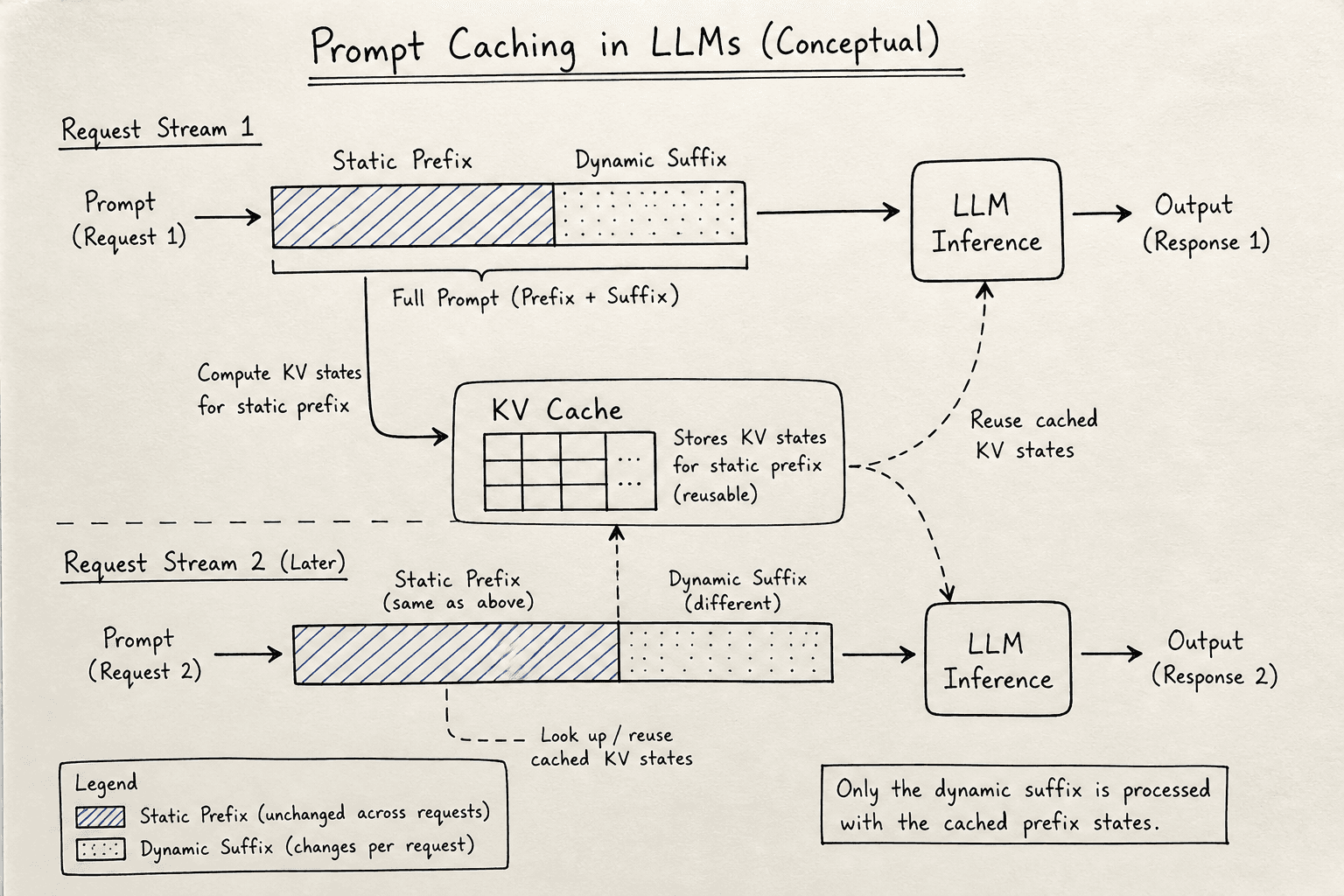
Explore how different AI providers handle prompt caching, including cache TTL limits, cost implications, and prefix matching techniques to optimize API usage.
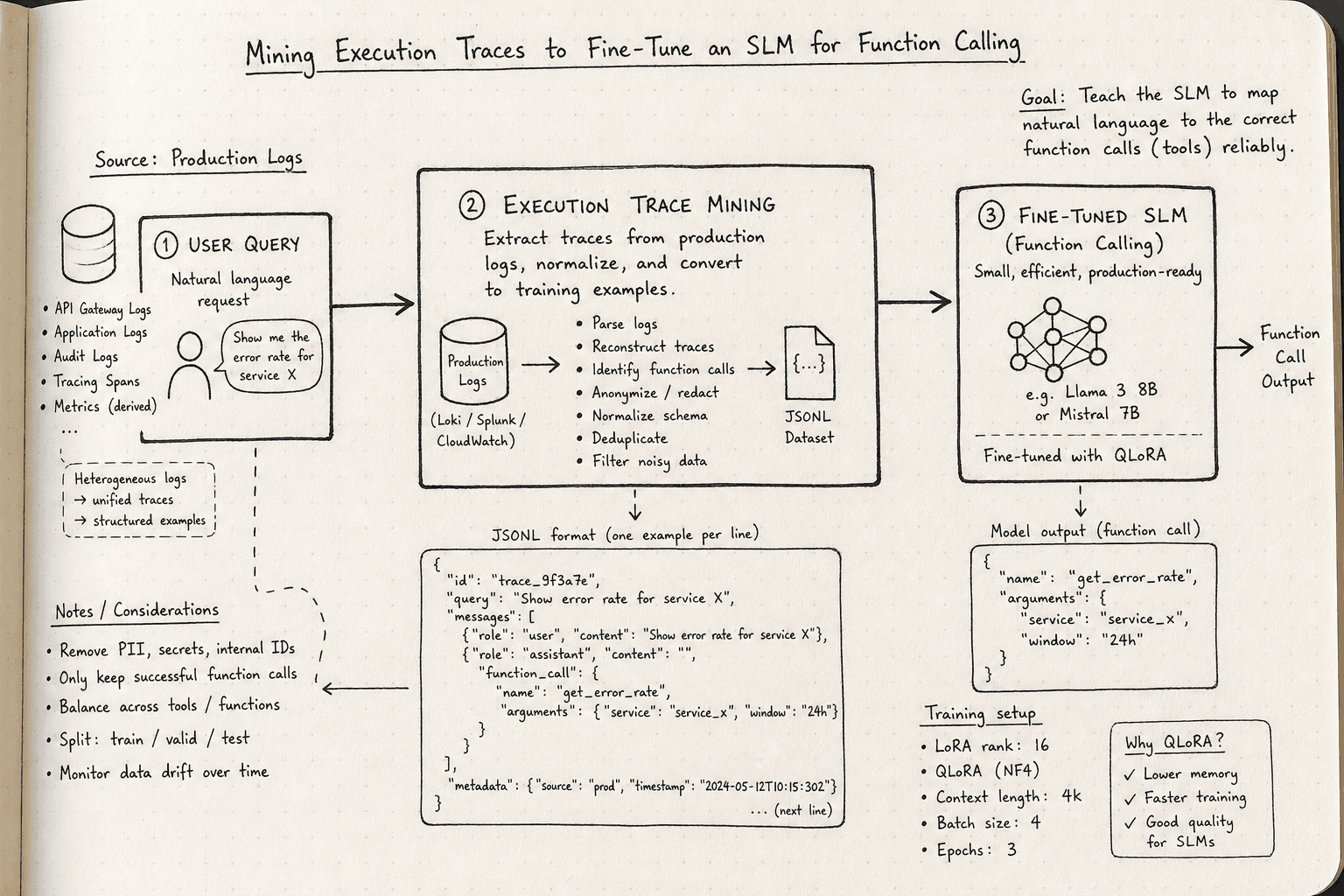
A practical guide to improving tool-use reliability in small models through function-calling fine-tuning and trace mining techniques.
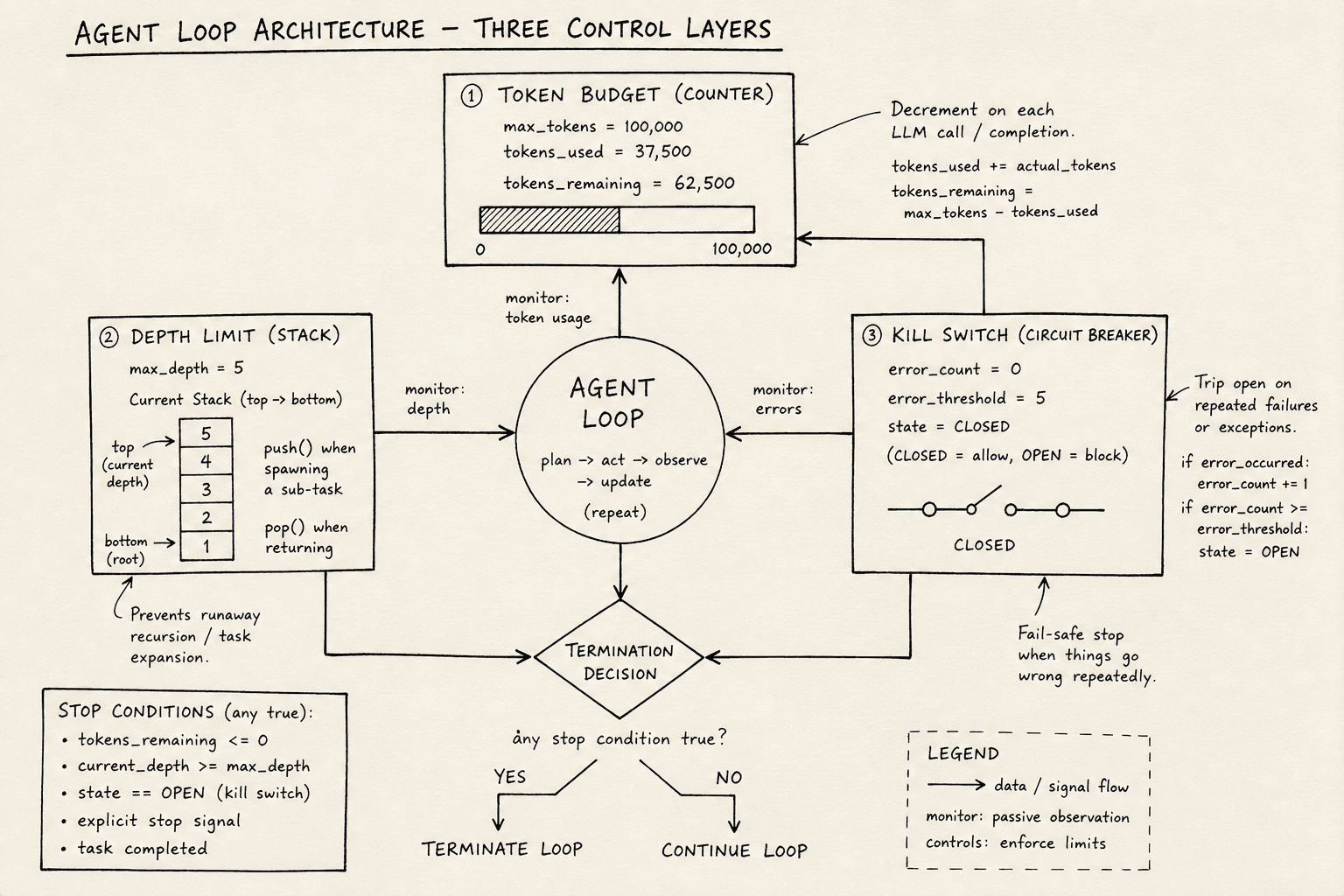
Learn how to implement token budgets, depth limits, and kill switches to control costs and prevent runaway loops in AI agent architectures.
Part 8 · Building AI AgentsAn examination of PagedAttention and RadixAttention mechanisms. We explore how they handle KV cache memory fragmentation and enable efficient context sharing in large language models.
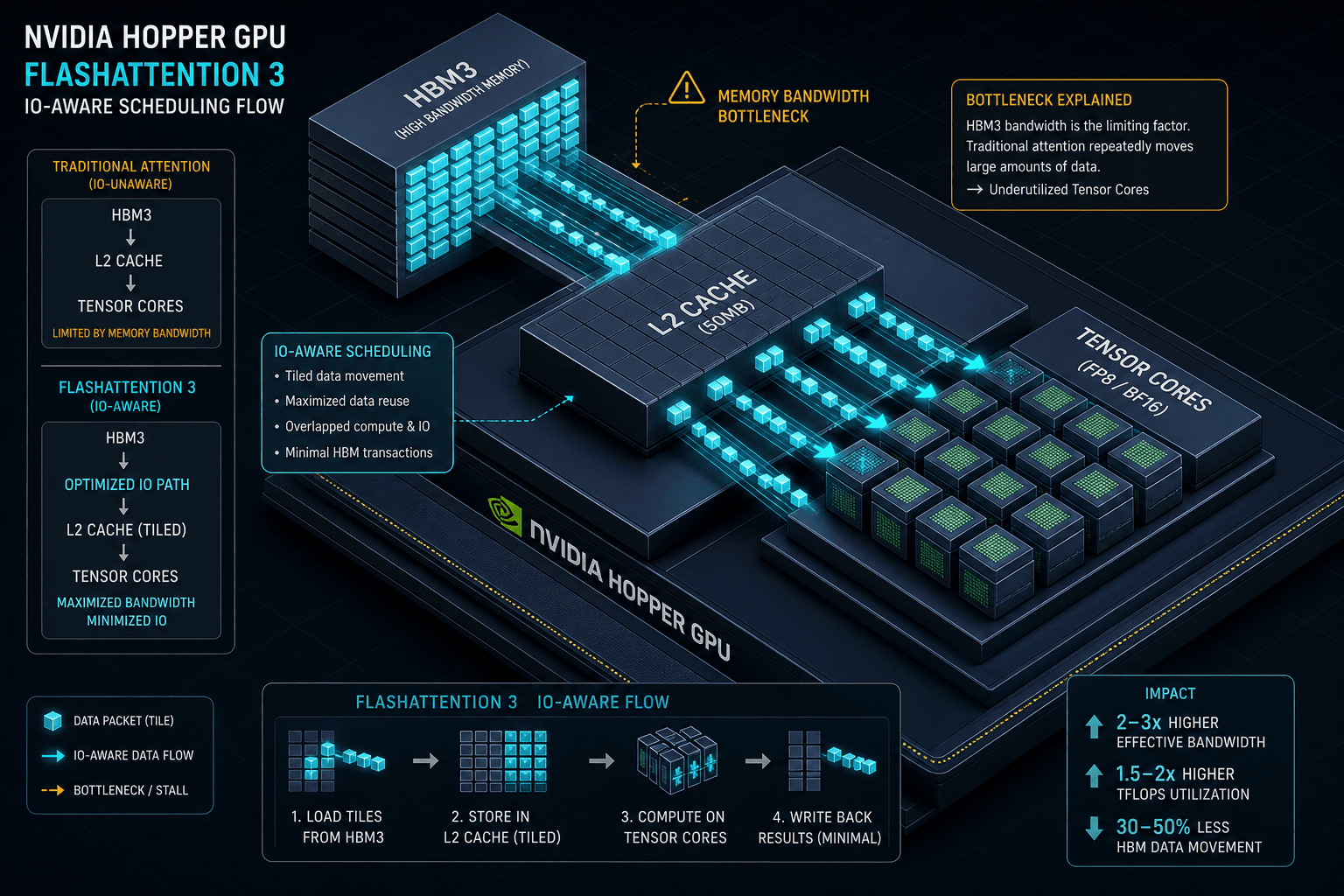
Part 3 · Production vLLMFlashAttention 3 introduces IO-aware scheduling and FP8 attention to maximize throughput on NVIDIA Hopper GPUs, offering significant performance gains for LLM training and inference.
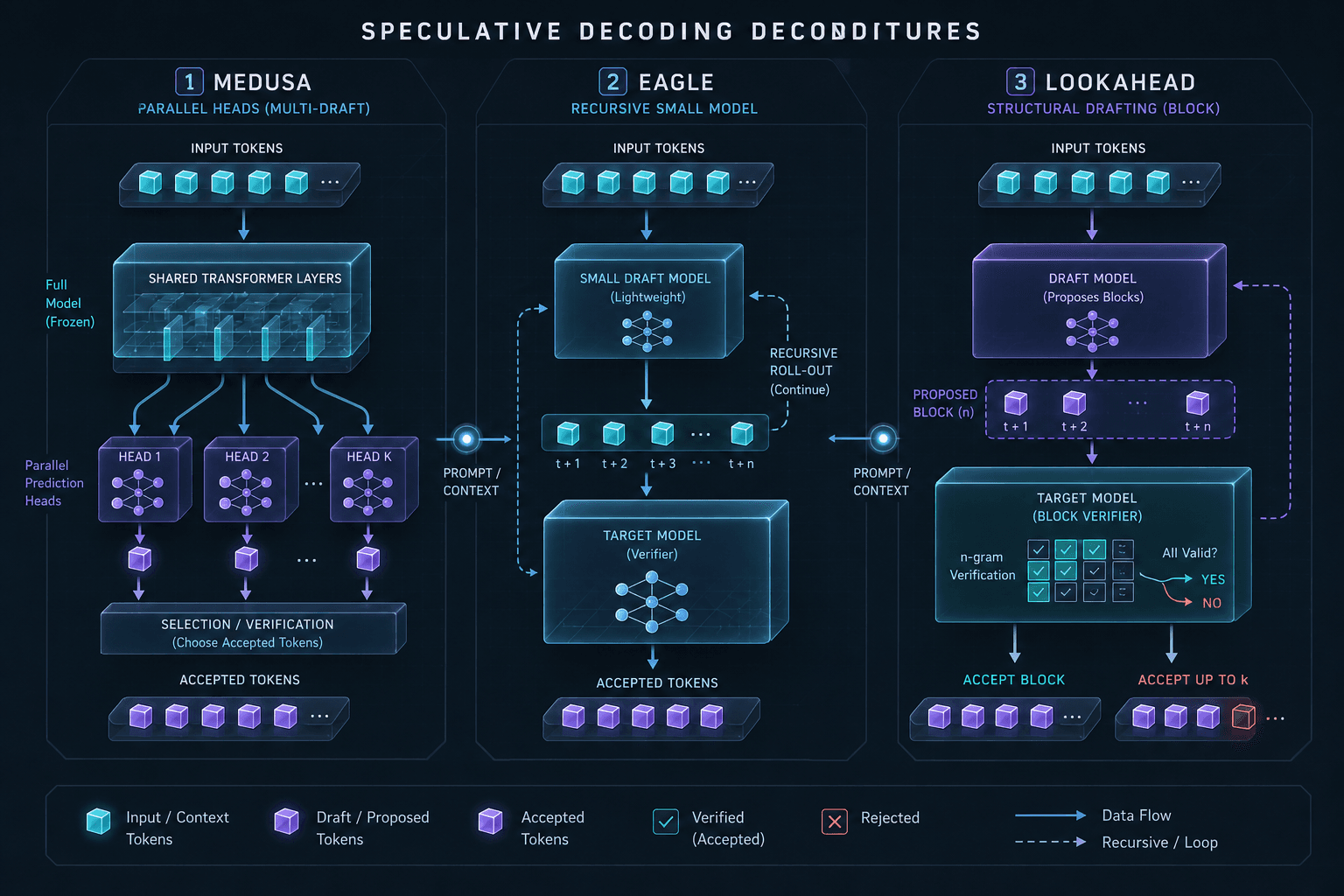
Explore how Medusa, EAGLE, and Lookahead Decoding optimize LLM generation speeds through speculative decoding techniques.
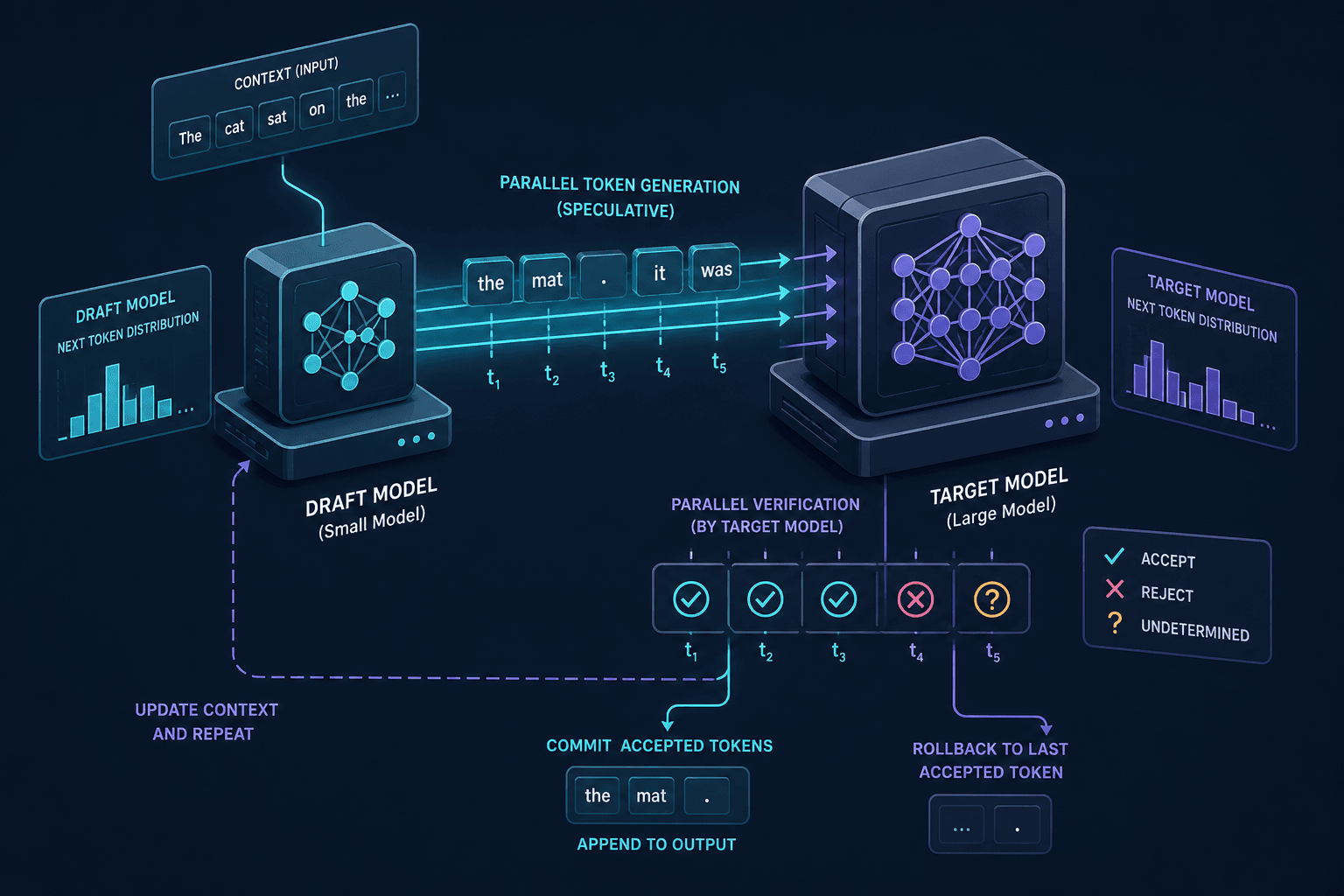
Explore how speculative decoding accelerates LLM inference by using smaller draft models to predict tokens, achieving significant throughput gains without compromising quality.
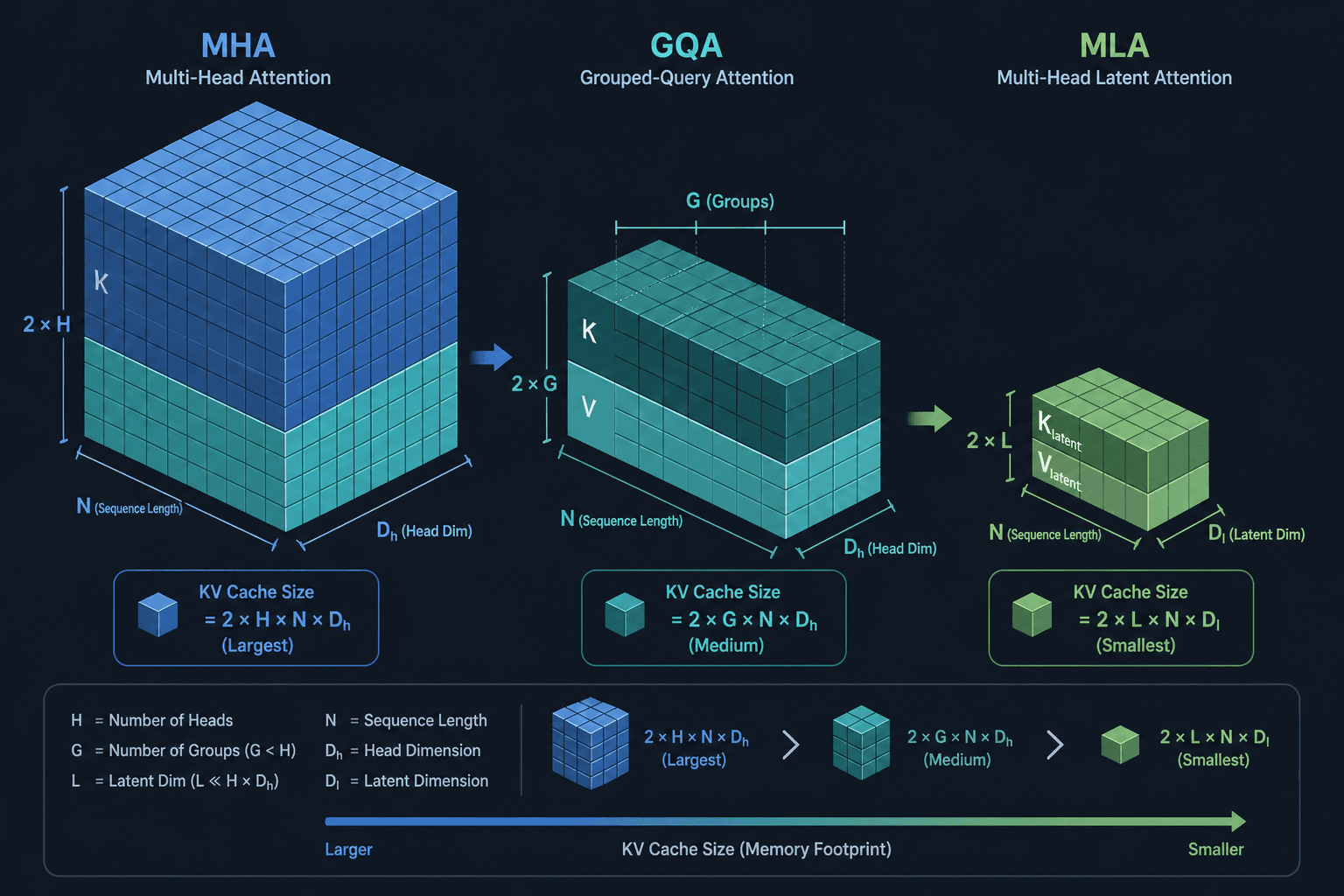
Explore how MHA, GQA, and MLA architectures balance memory usage and computational efficiency in large language models, with a focus on reducing KV cache overhead.
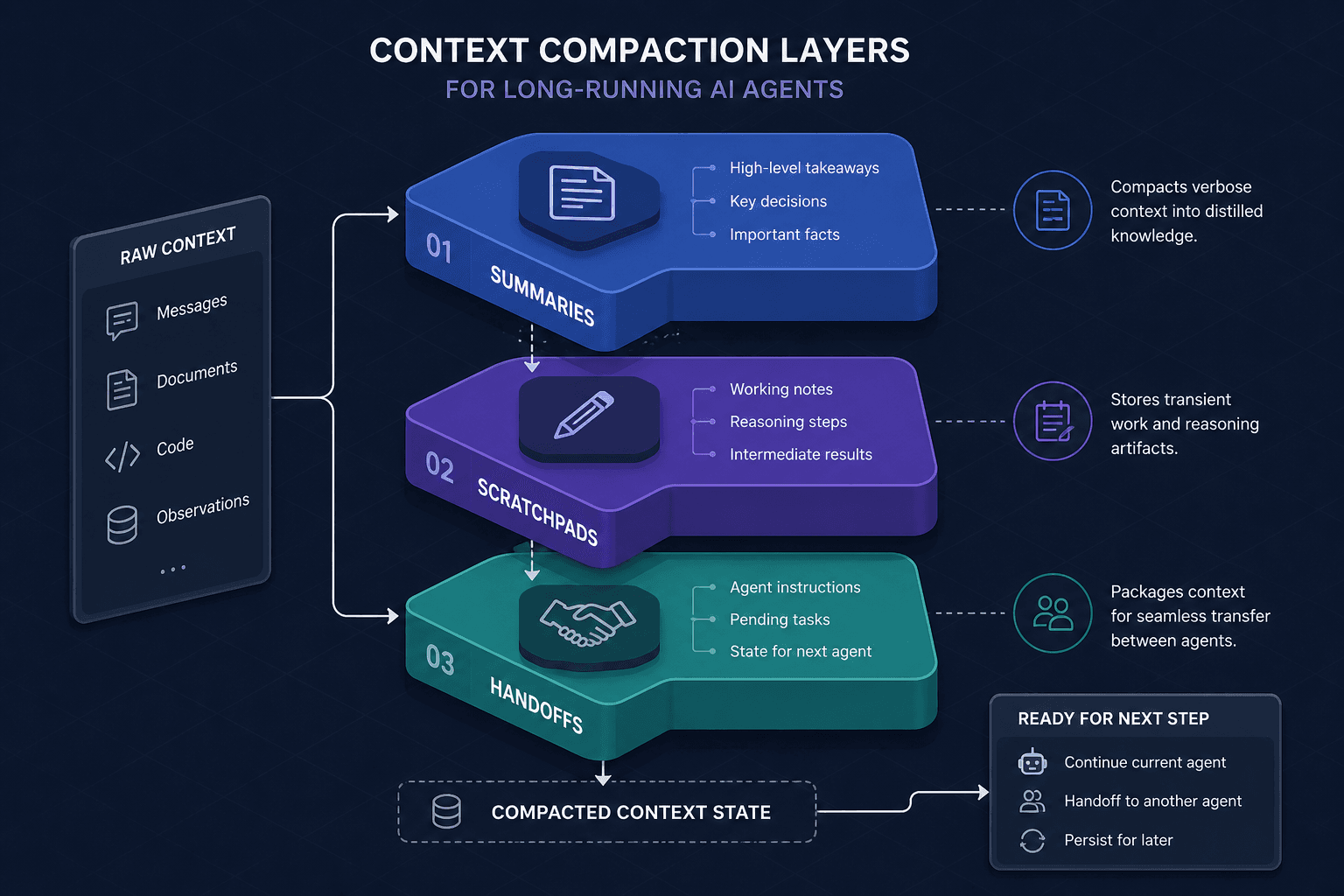
Part 2 · Transformers Under the HoodLearn how context compaction via summaries, scratchpads, and handoffs improves efficiency for long running agents and reduces token usage.
Part 3 · Context EngineeringContext engineering is replacing prompt engineering as the key to managing context windows and token budgets effectively in modern LLM applications.
Part 1 · Context EngineeringA technical comparison of GGUF, MLX, and ONNX Runtime for running large language models directly on mobile and edge devices.
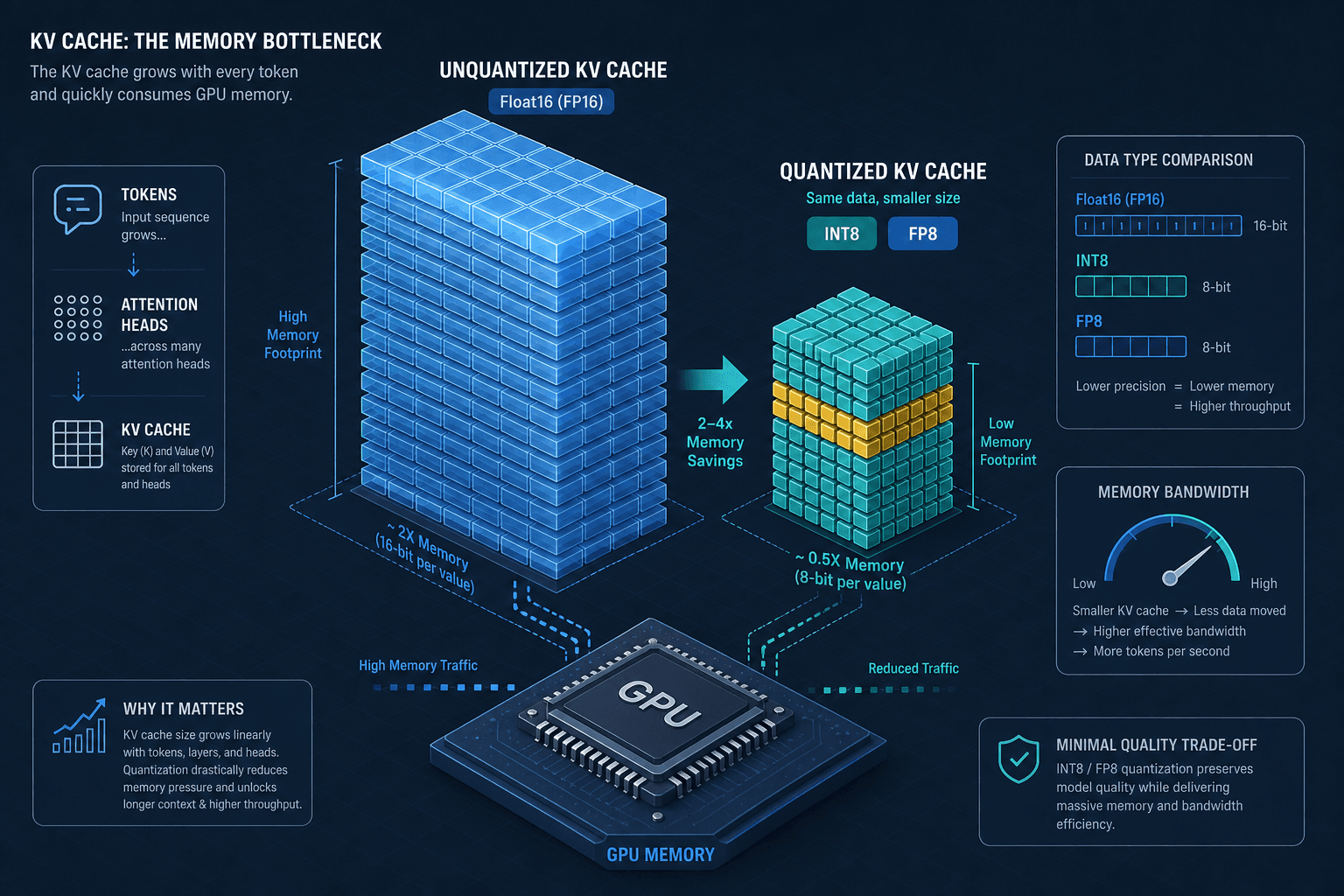
Part 4 · Small Models & DistillationLearn how to apply quantization to the KV cache to save memory and speed up inference without significantly degrading model quality.
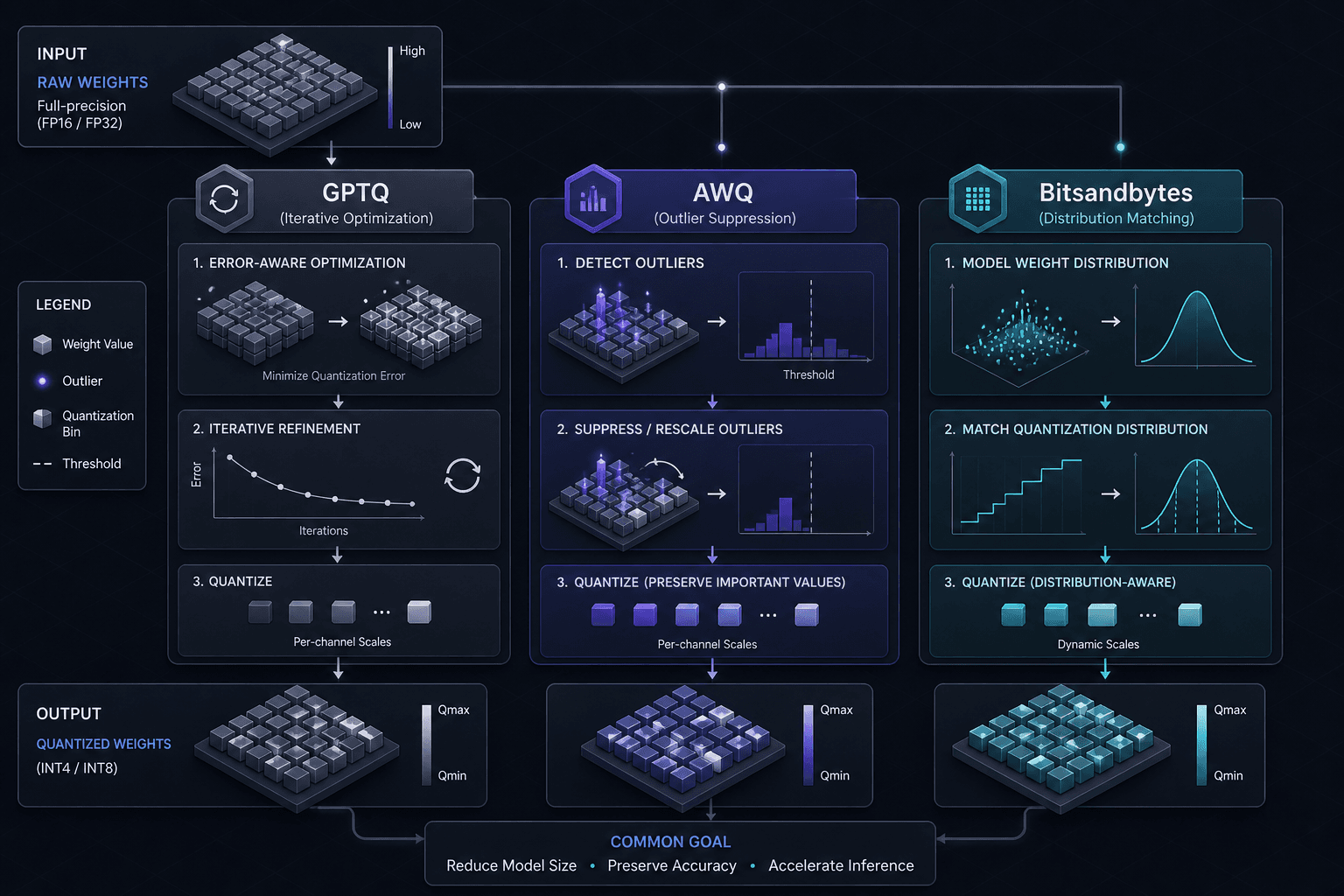
Part 4 · Quantization in PracticeCompare GPTQ, AWQ, and Bitsandbytes quantization techniques. We examine calibration strategies, speed, and accuracy to help ML engineers choose the right model compression method.
Part 3 · Quantization in Practice