8 min readBackendFeatured
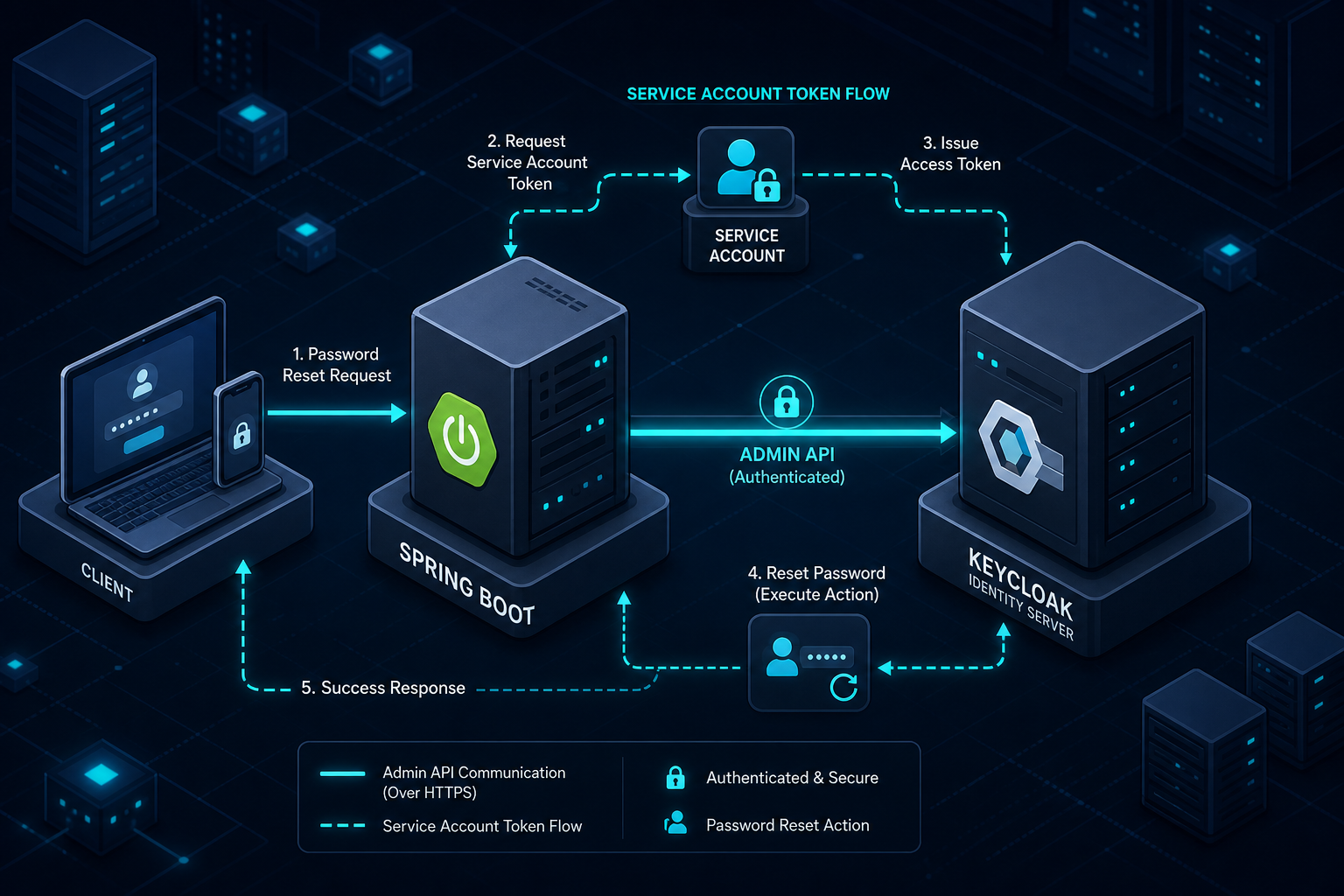
Building a Self-Service Password Reset with Spring Boot and Keycloak
Learn how to build a secure self-service password reset mechanism with Spring Boot and Keycloak, covering required actions and identity management.
Tag
Application and identity security — JWT validation, token revocation, XML signature, encryption, threat models, and OWASP guidance.
133 posts · page 5 of 7
Learn how to build a secure self-service password reset mechanism with Spring Boot and Keycloak, covering required actions and identity management.
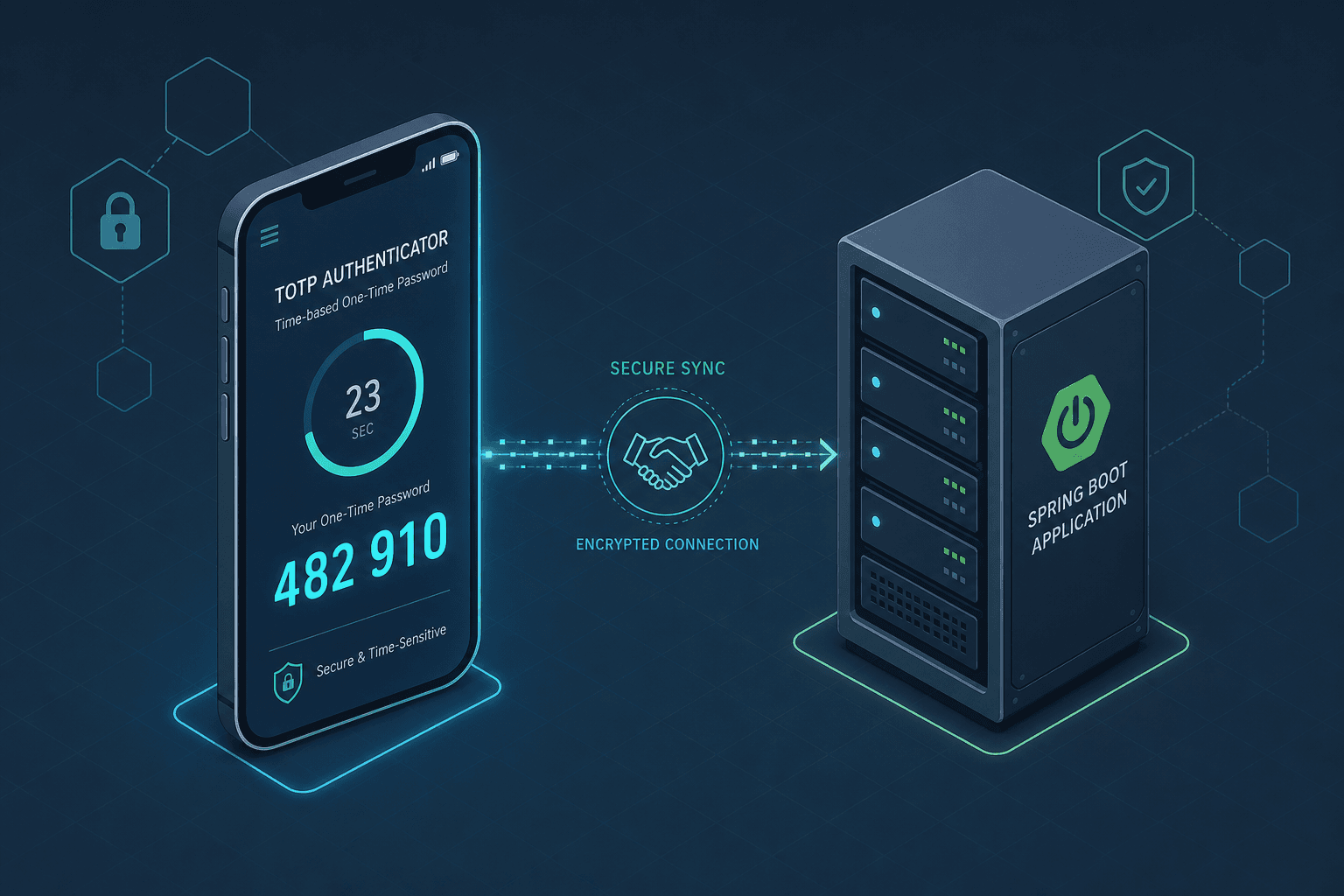
Learn how to secure your Spring Boot applications by integrating TOTP-based Multi-Factor Authentication with Google Authenticator for enhanced security.
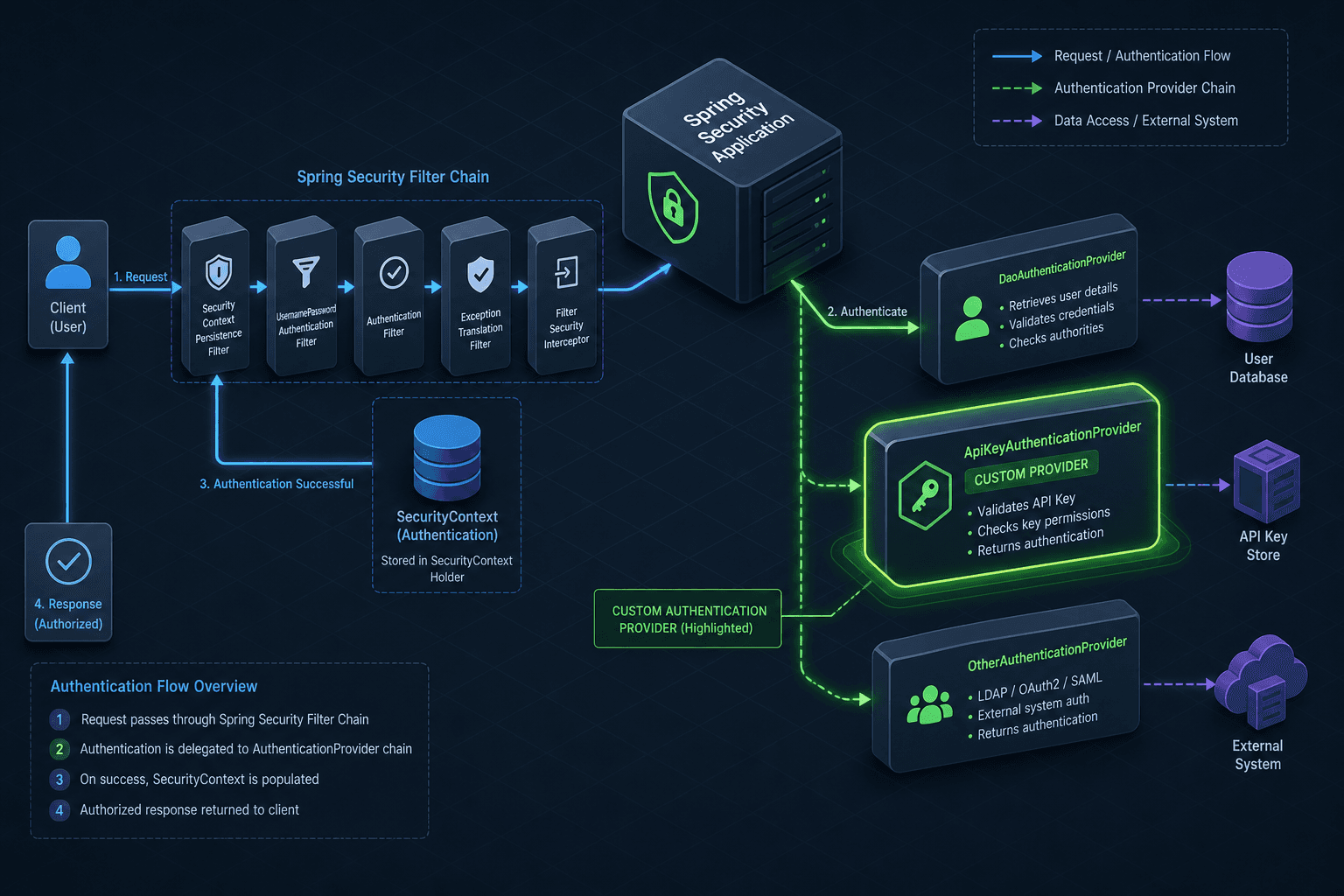
Learn how to construct a custom authentication provider in Spring Security to handle specific user validation logic and security requirements.
Part 5 · Spring Security Filter Chain MasteryReview essential OAuth2 security best practices, audit criteria, and security review steps for 2025 to ensure strong authentication integrity.
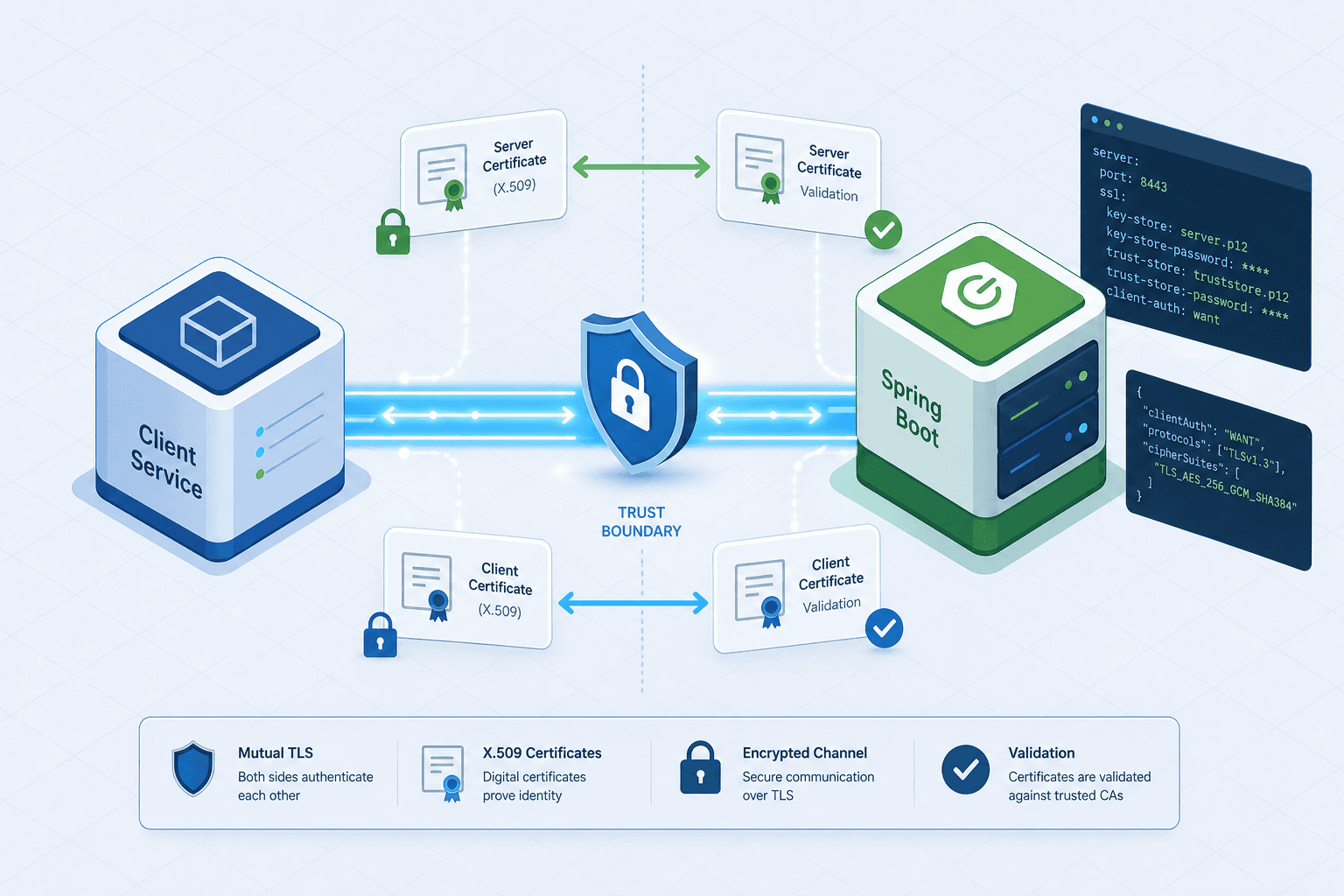
Part 10 · OAuth 2.0 SecurityLearn how to secure Spring Boot services using mutual TLS (mTLS) and X.509 certificate authentication without complex infrastructure overhead.
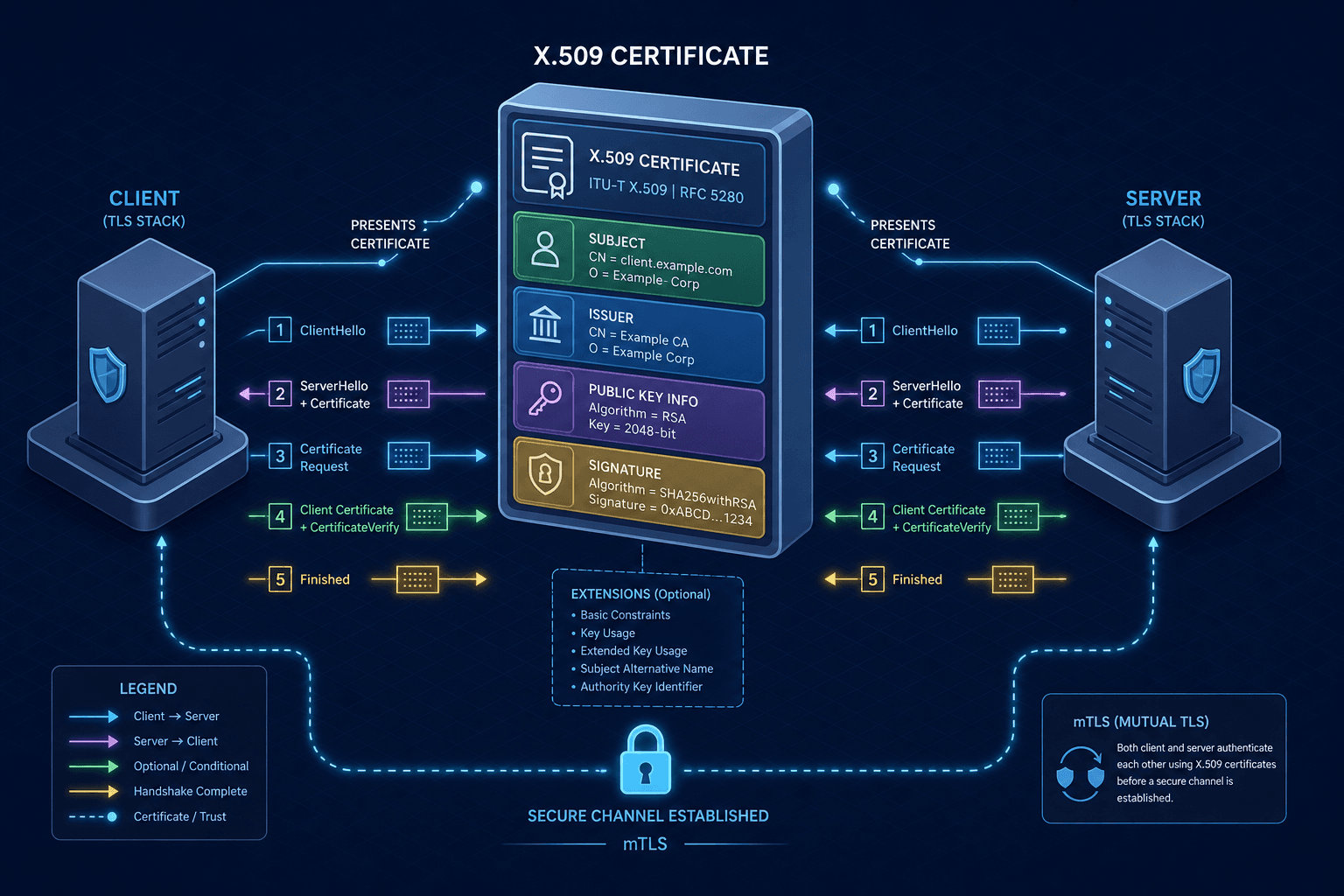
Part 4 · mTLS With Spring BootLearn how X.509 certificates function from the ground up, explore certificate management strategies, and implement secure mutual TLS authentication in your systems.
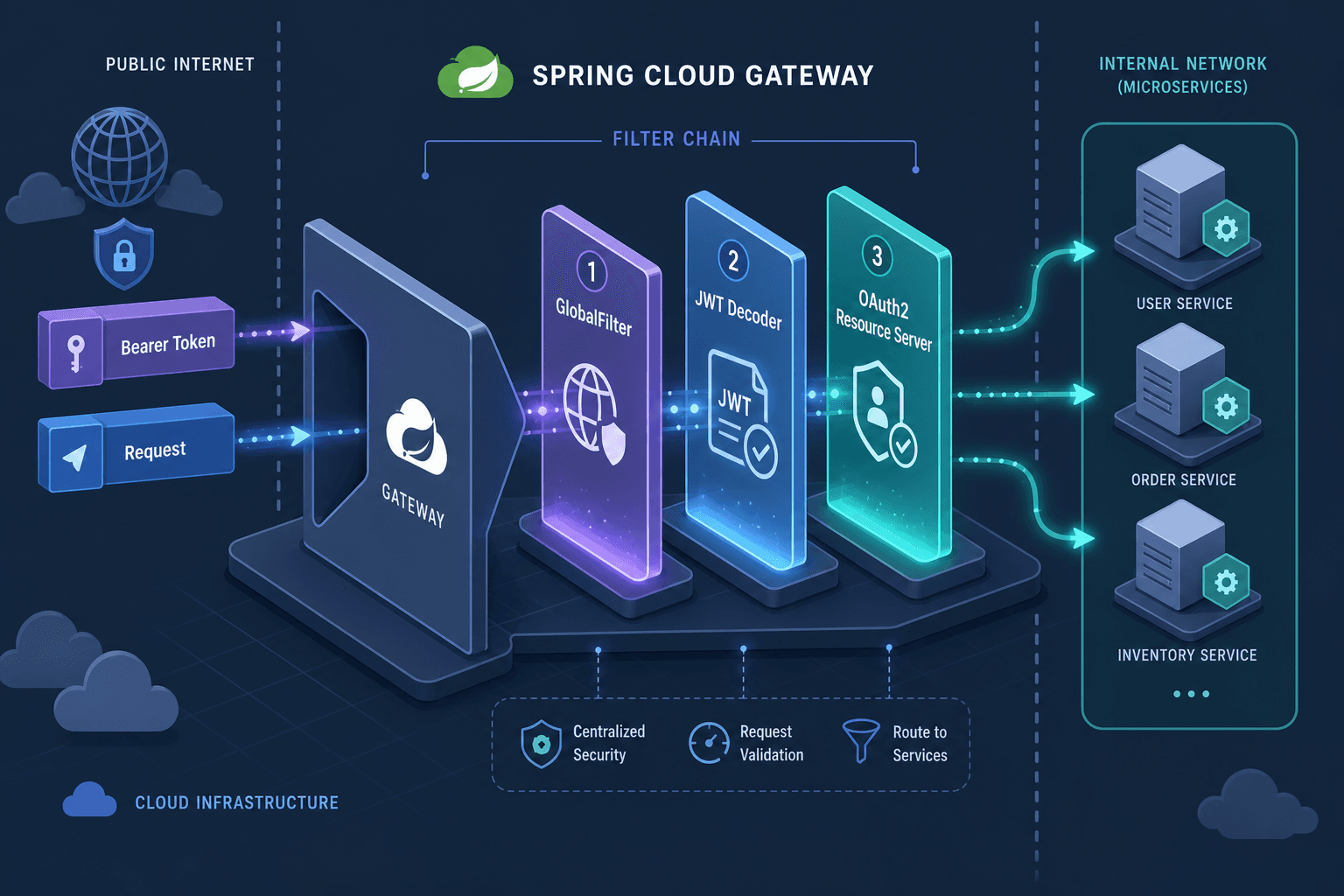
Part 2 · mTLS With Spring BootLearn how to secure microservices by building a secure identity gateway using Spring Cloud Gateway, JWT filters, and OAuth2 protocols.
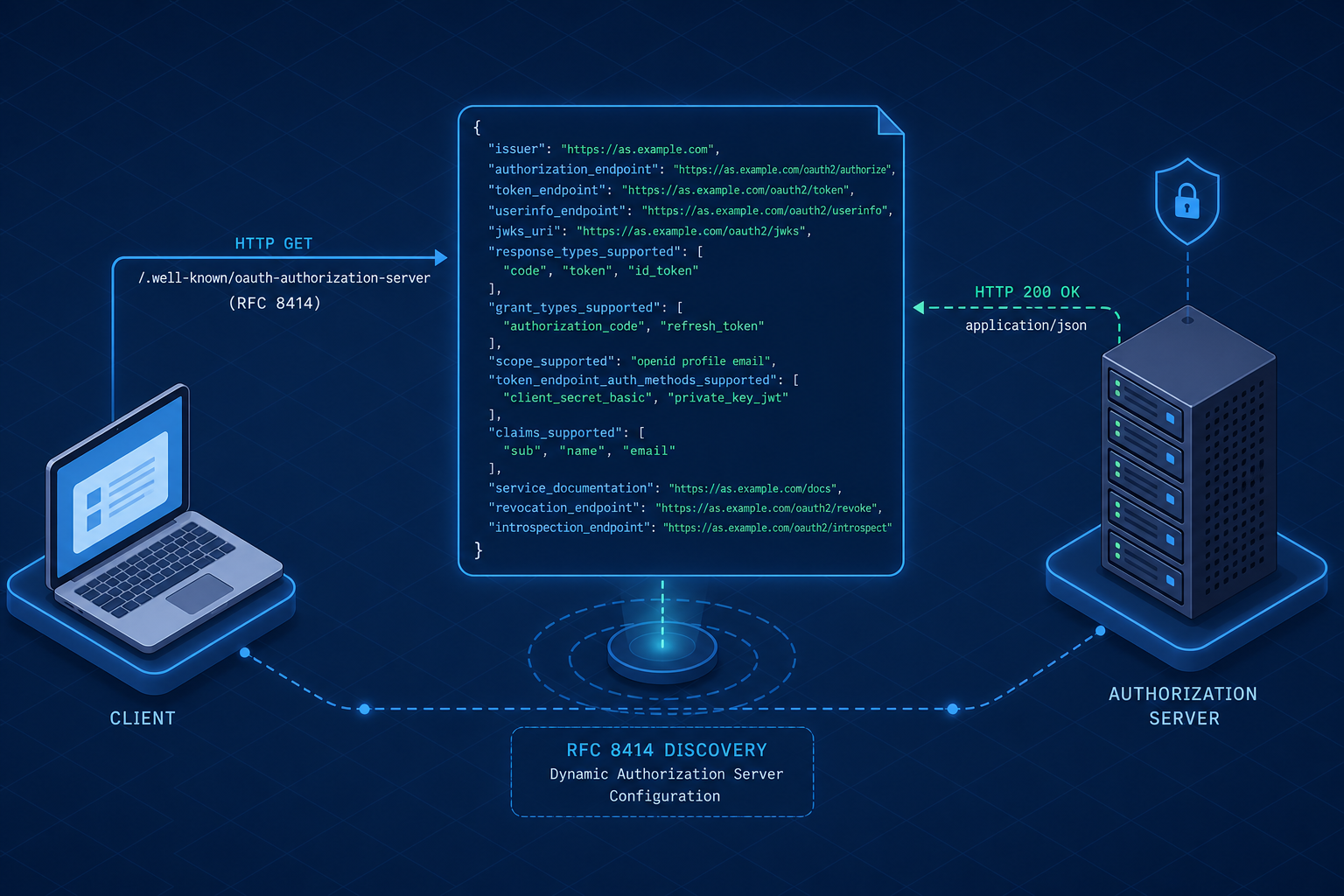
Part 3 · Identity Gateways & Legacy IntegrationLearn how RFC 8414 standardizes the discovery of OAuth2 authorization server metadata, enabling secure and efficient client configuration through standardized endpoints.
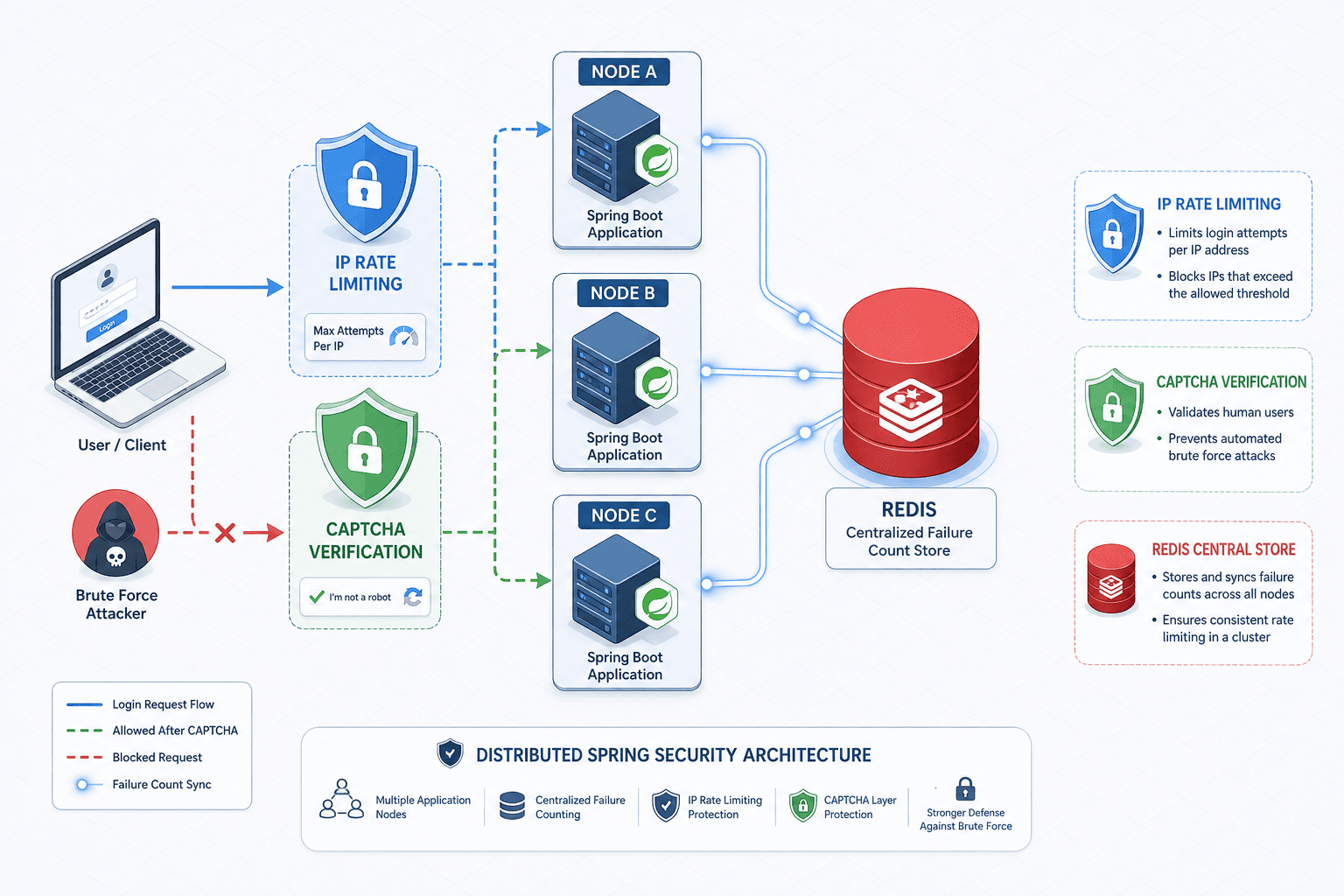
Part 5 · Authorization Server Metadata (RFC 8414)Learn how to secure your Spring applications against brute force attacks by implementing account lockout strategies, rate limiting, and CAPTCHA integration.
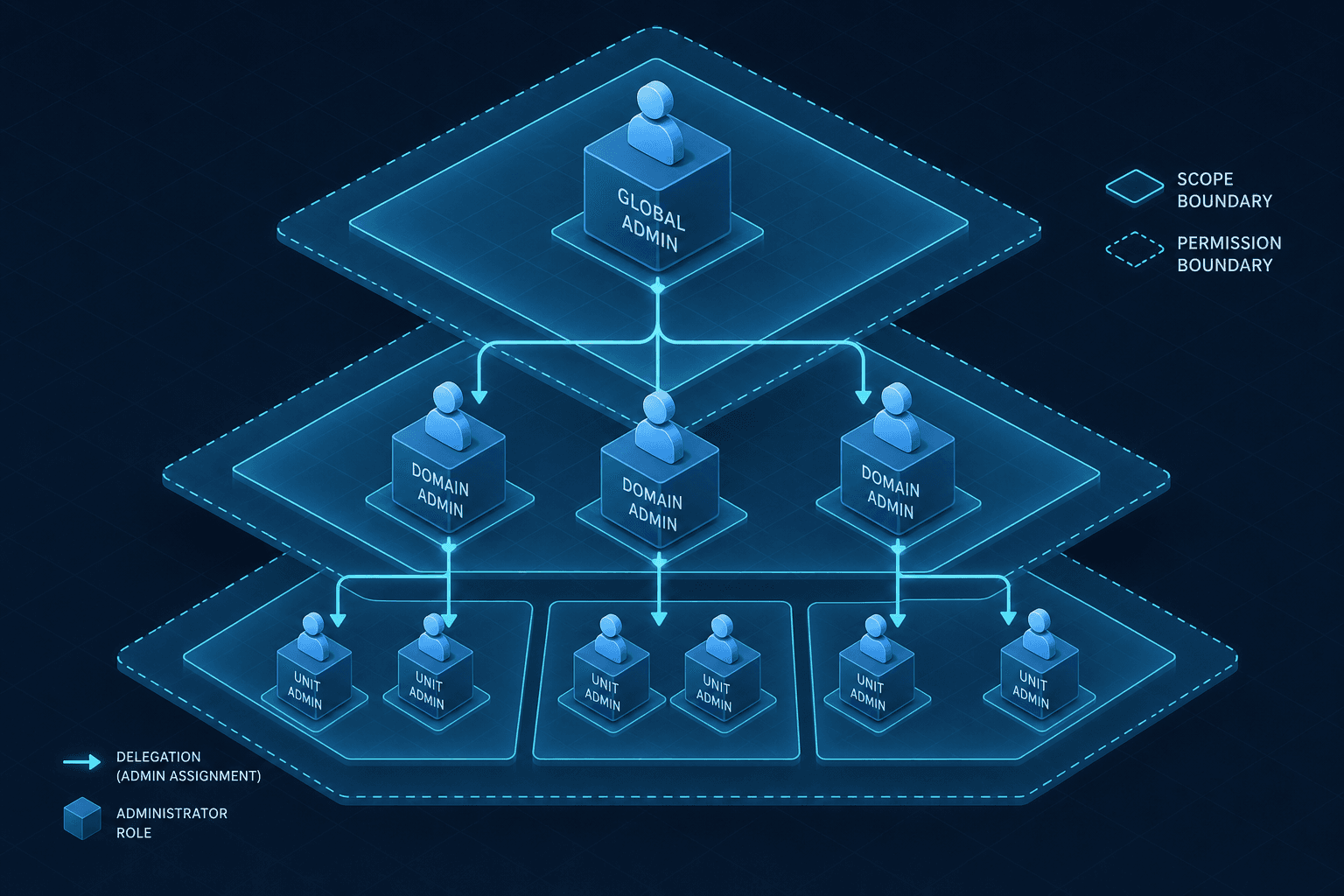
Learn how to implement delegated administration in IAM systems to manage scoped admin roles and secure organizational access effectively.
Learn how to build adaptive authentication flows with Keycloak and Spring Boot. This guide covers risk scoring, step-up auth, and custom authentication implementation.
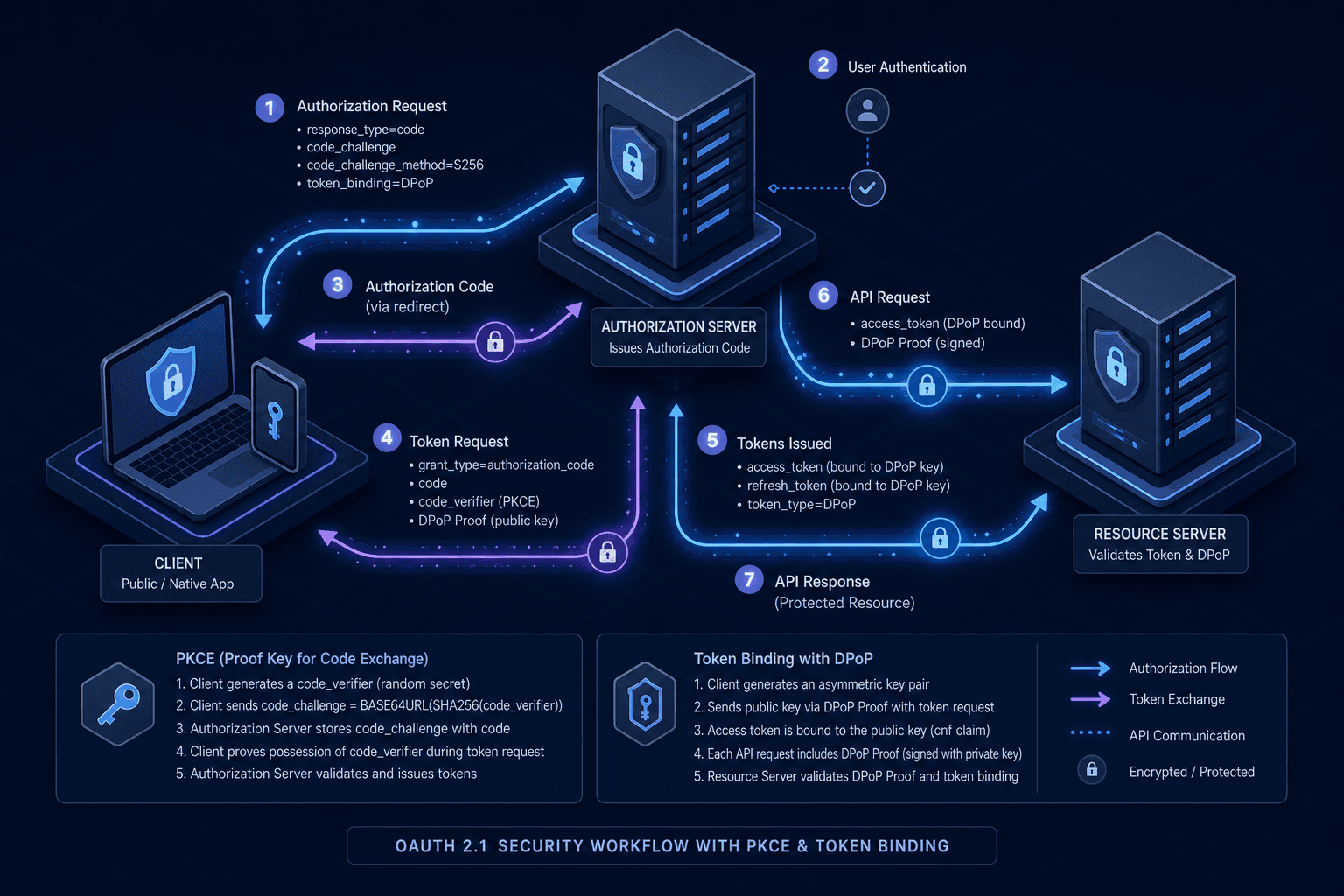
Learn how DPoP enhances OAuth2 security by binding access tokens to specific clients, preventing token theft and replay attacks.
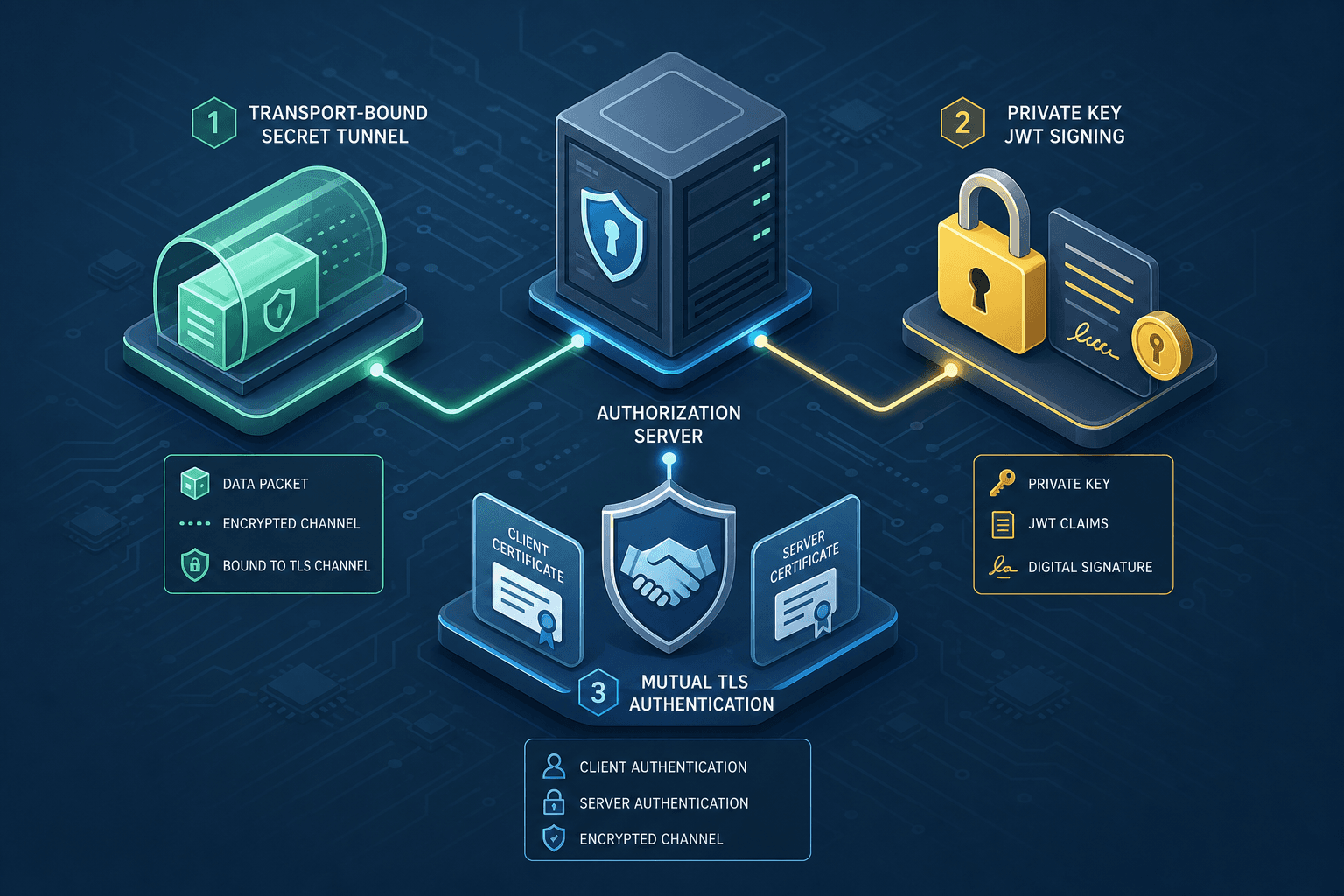
Part 3 · OAuth 2.0 SecurityExplore essential OAuth2 client authentication strategies like client_secret_basic and private_key_jwt for securing API access.
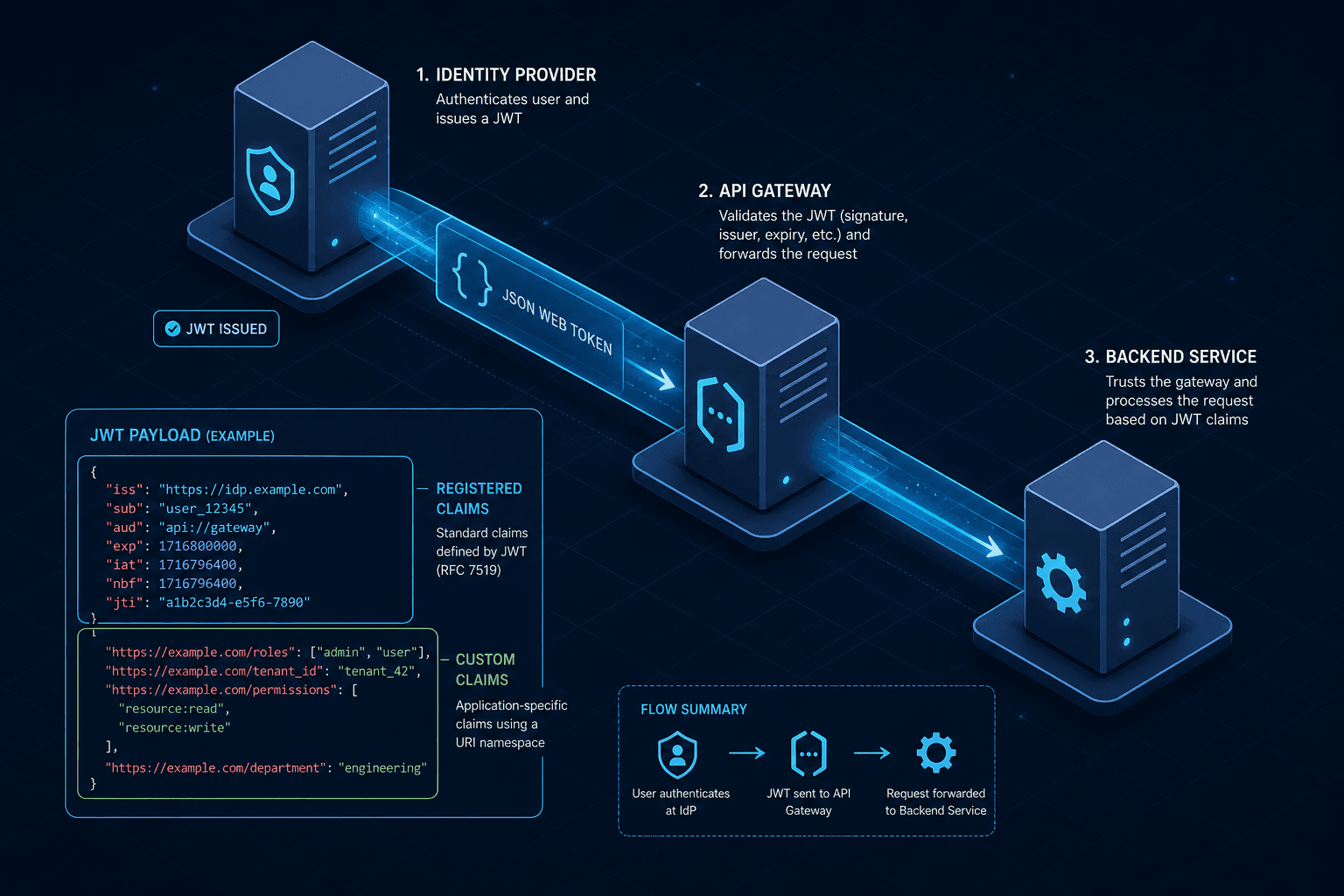
Part 1 · OAuth 2.0 SecurityExplore registered and custom JWT claims, learn token validation techniques, and apply best practices for secure authentication.
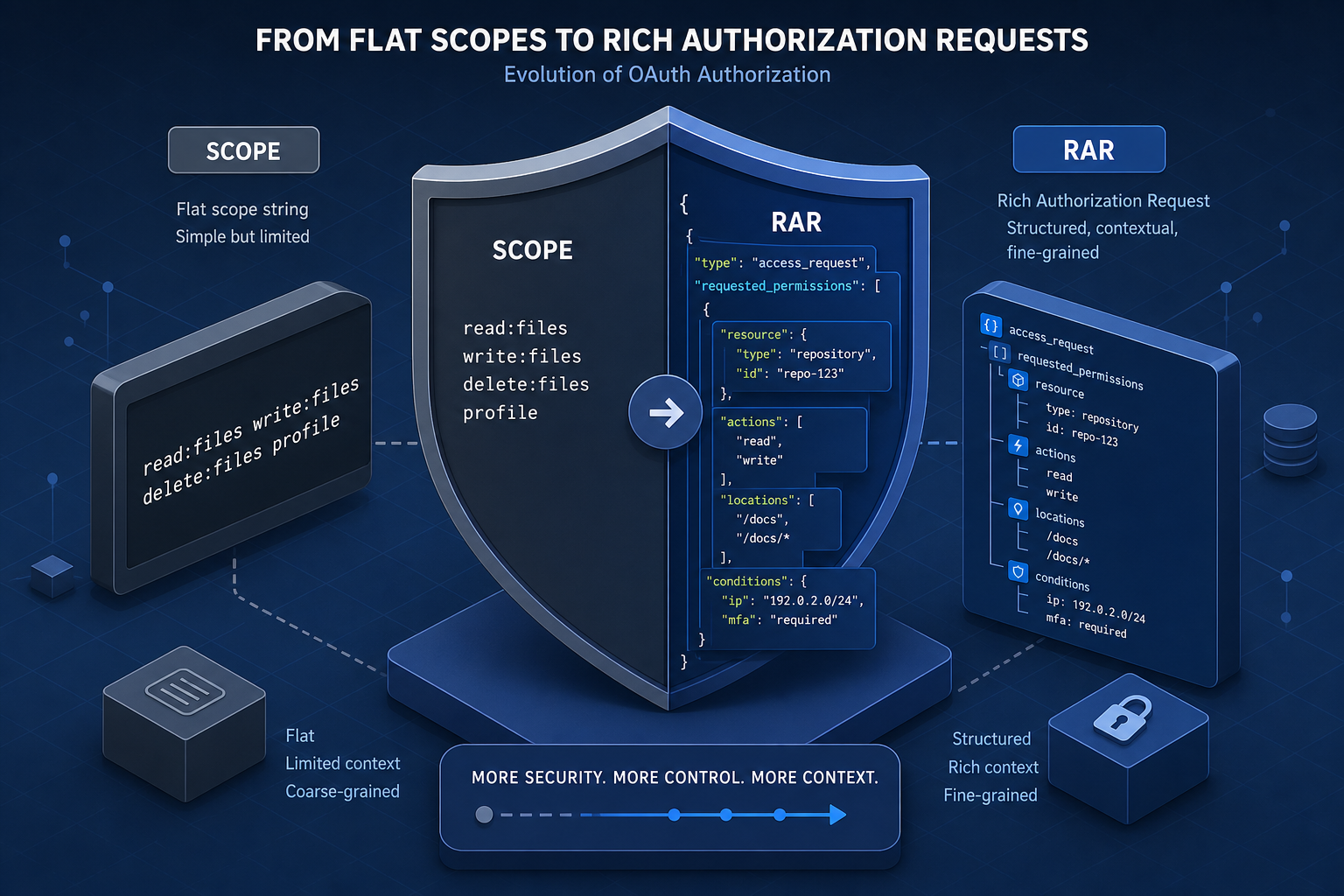
Part 9 · OAuth 2.0 RFCs Every Engineer Should ReadExplore how OAuth 2.0 Rich Authorization Requests (RAR) enable fine-grained authorization through RFC 9396.
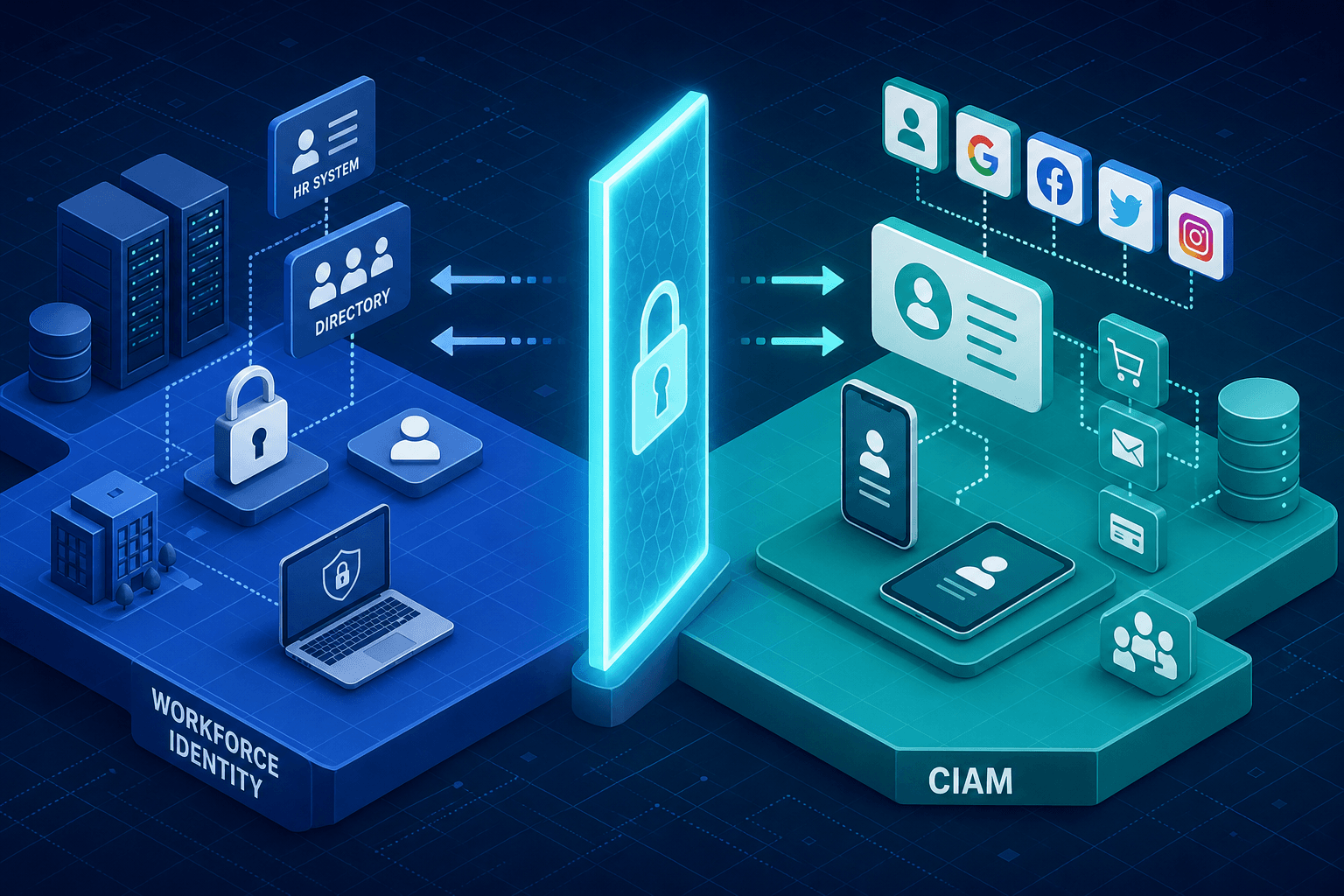
Part 4 · OAuth 2.0 & OIDC MasteryExplore the critical differences between workforce identity and customer identity management, focusing on implementation strategies for B2B and B2C scenarios.
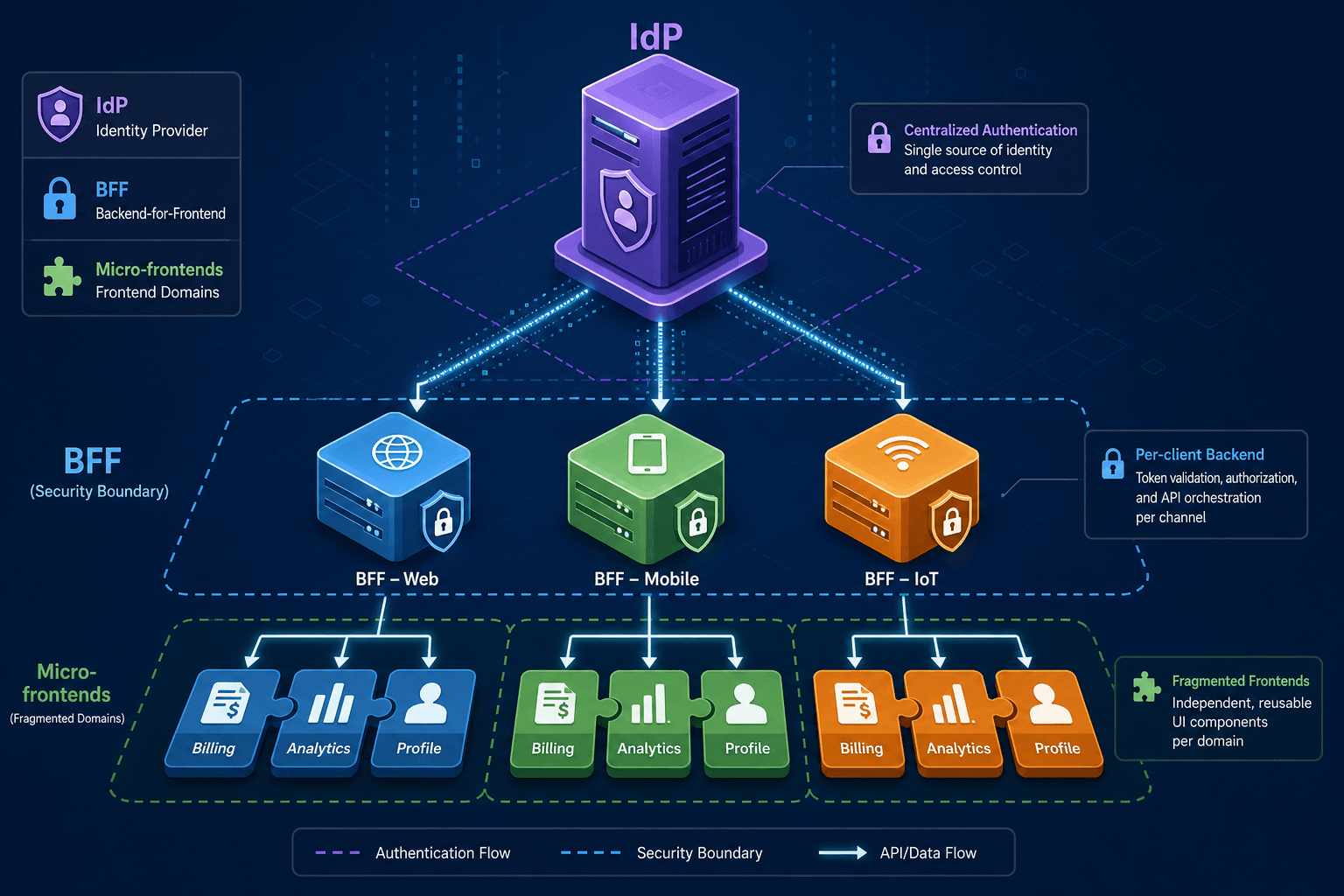
Part 6 · Identity Platform ArchitectureExplore essential identity architecture patterns for micro-frontends and multi-platform setups, including BFF, cross-platform SSO, and unified identity solutions.
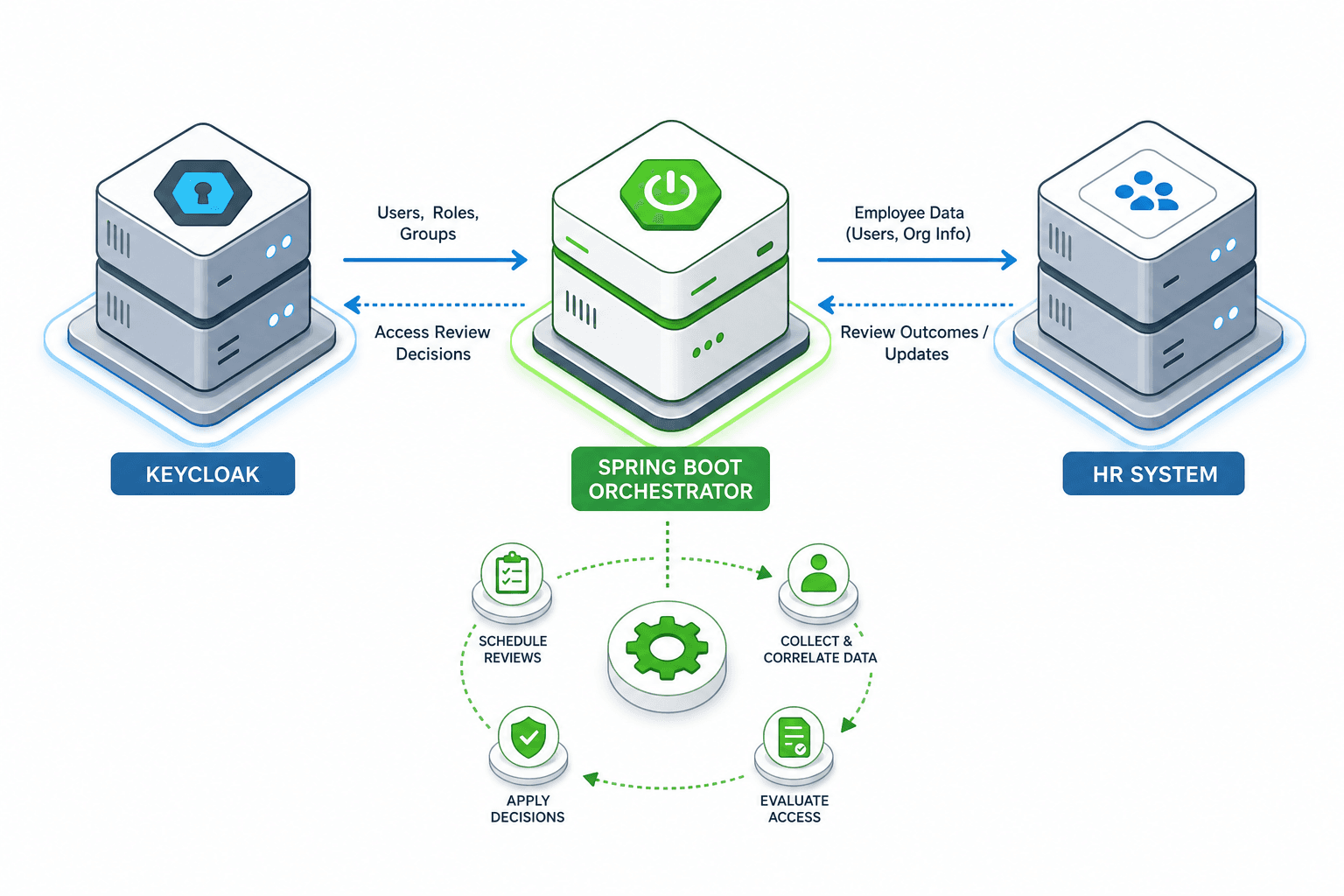
Part 4 · Frontend Identity IntegrationLearn how to automate access certification processes with Keycloak and Spring Boot for better compliance and identity governance.
Learn how to build dynamic authorization logic with ABAC, Spring Security, OPA, and Rego policies for fine-grained access control in Java applications.
Learn how Pushed Authorization Requests (PAR) defined in RFC 9126 improve OAuth 2.0 security and mitigate the risk of authorization code interception.
Part 2 · OAuth 2.0 Security