The Post-Training Stack: SFT, Reward Models, and RL
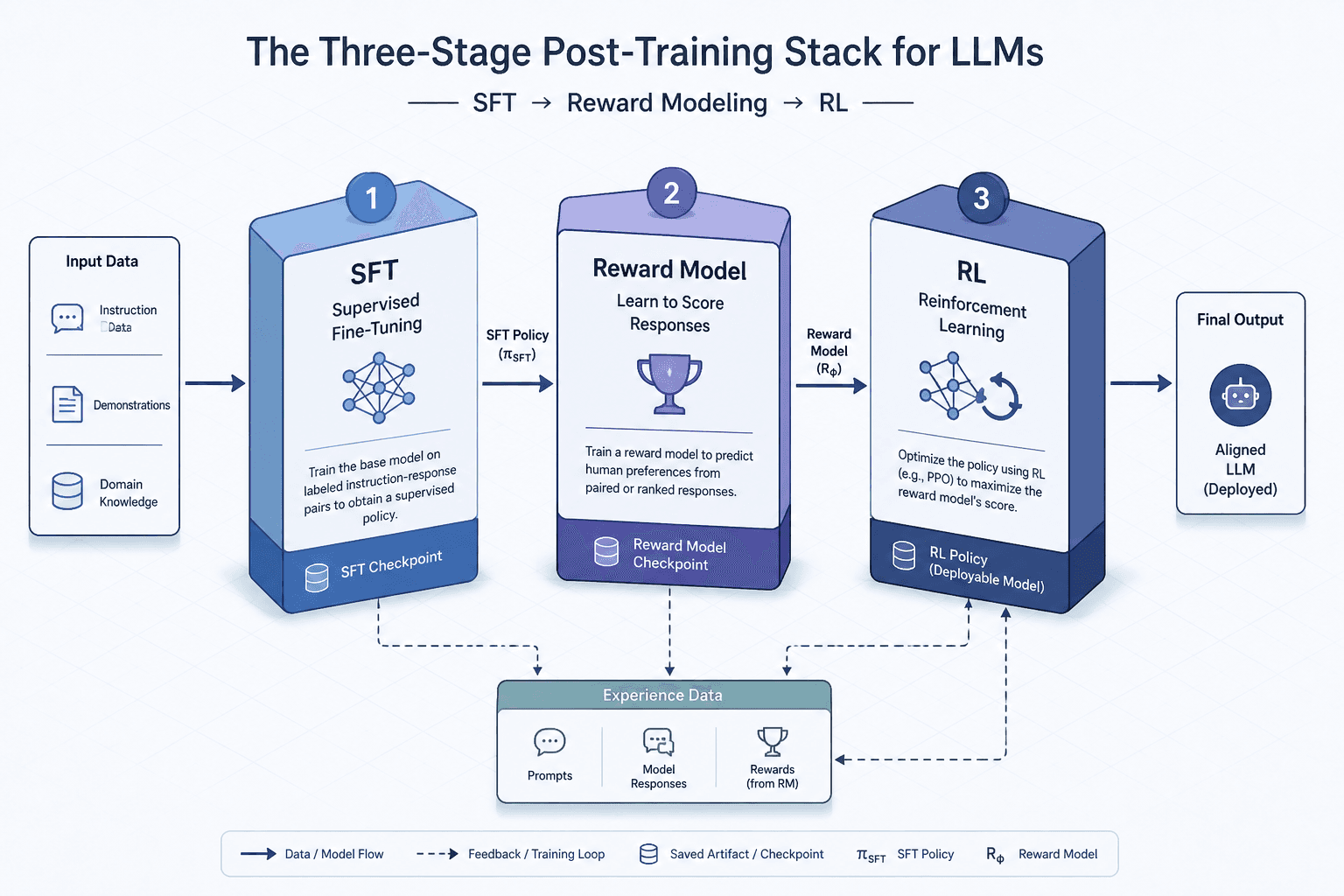
Explore the core components of the post-training stack: SFT, reward models, and RL. Learn how these techniques align large language models with human intent.
Part 1 · Post-Training & AlignmentTag
Read 52 articles on Llm by Ashish Srivastava — practical guides covering implementation patterns, security, and production lessons.
52 posts · page 2 of 3
Explore the core components of the post-training stack: SFT, reward models, and RL. Learn how these techniques align large language models with human intent.
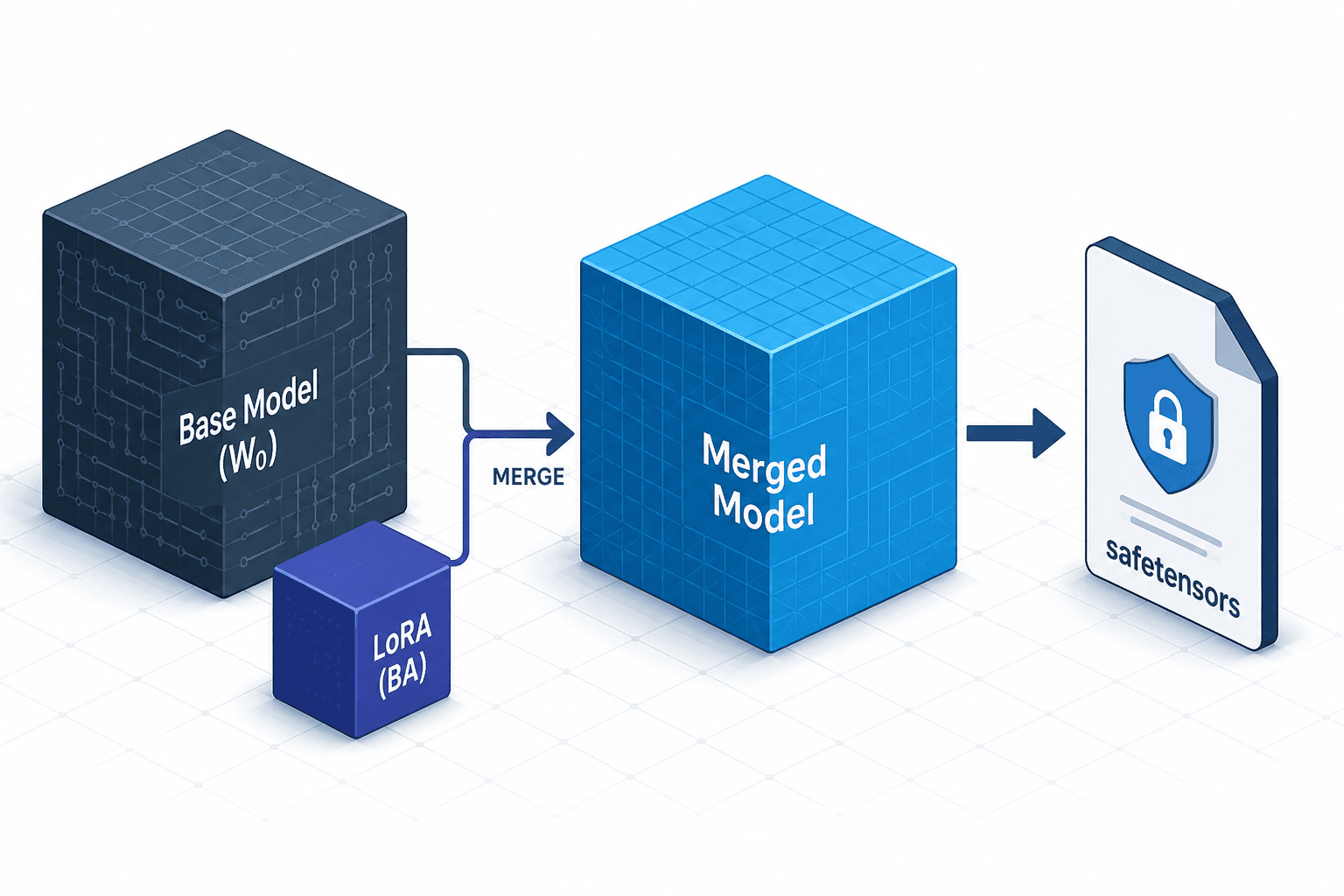
Part 1 · Post-Training & AlignmentLearn how to merge LoRA adapters, export weights to safetensors, and configure serving environments with appropriate dtypes for production deployment.
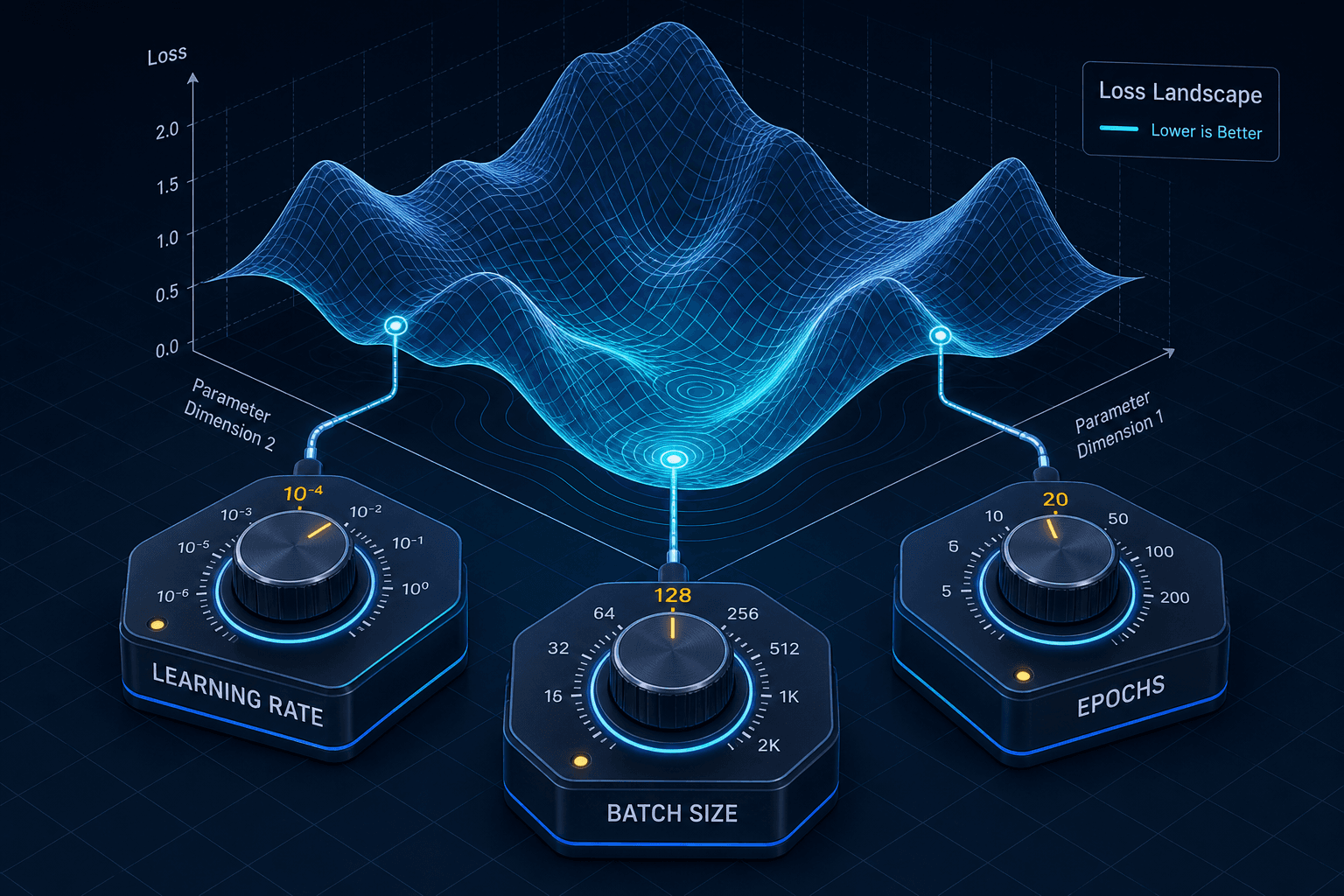
Part 8 · Fine-Tuning LLMs Hands-OnFocus on the hyperparameters that drive model performance: learning rate, batch size, and epochs. A guide for ML engineers.
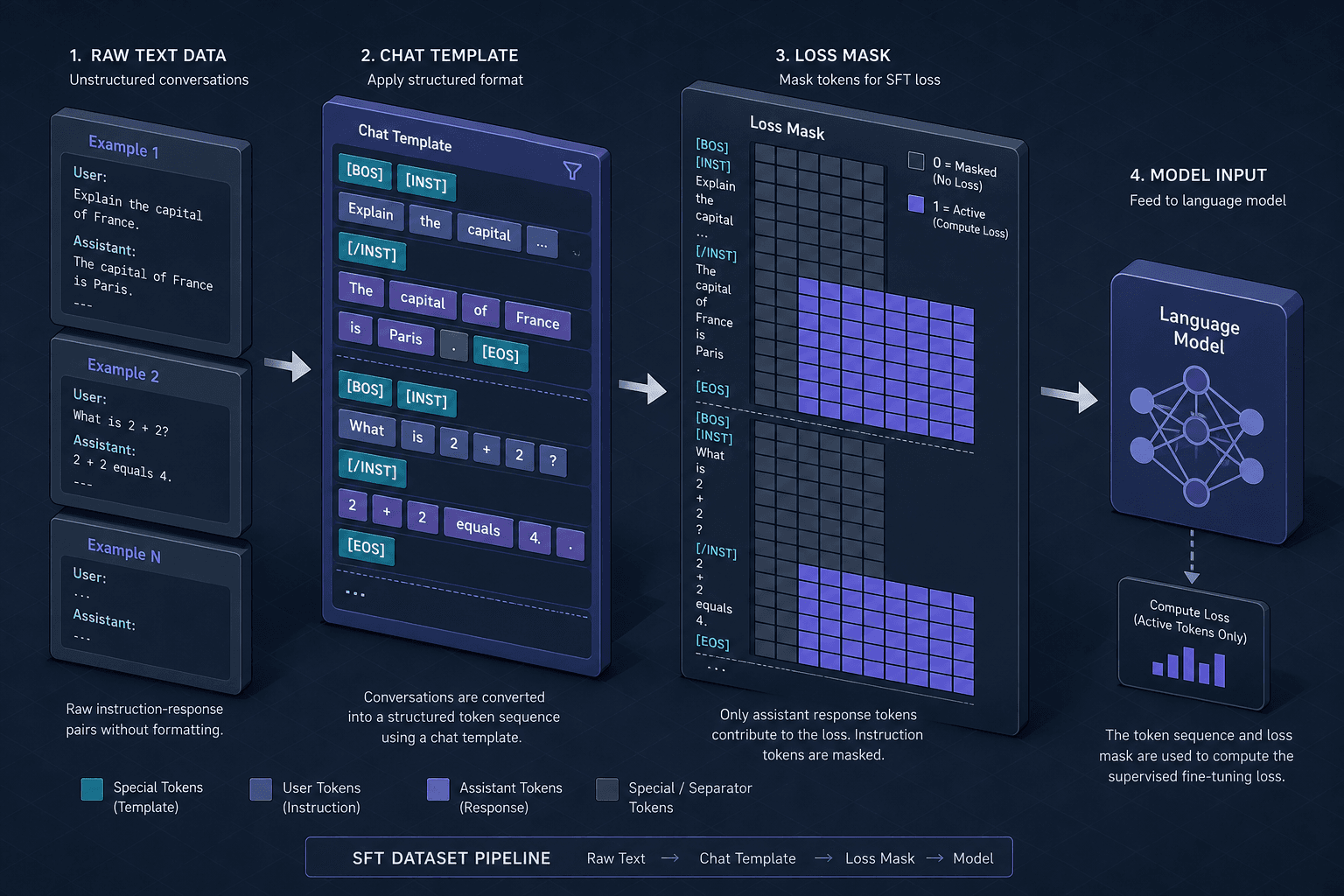
Part 6 · Fine-Tuning LLMs Hands-OnLearn how to build effective supervised fine-tuning datasets. This guide covers instruction formatting, chat templates, loss masking techniques, and ensuring data quality for LLM training.
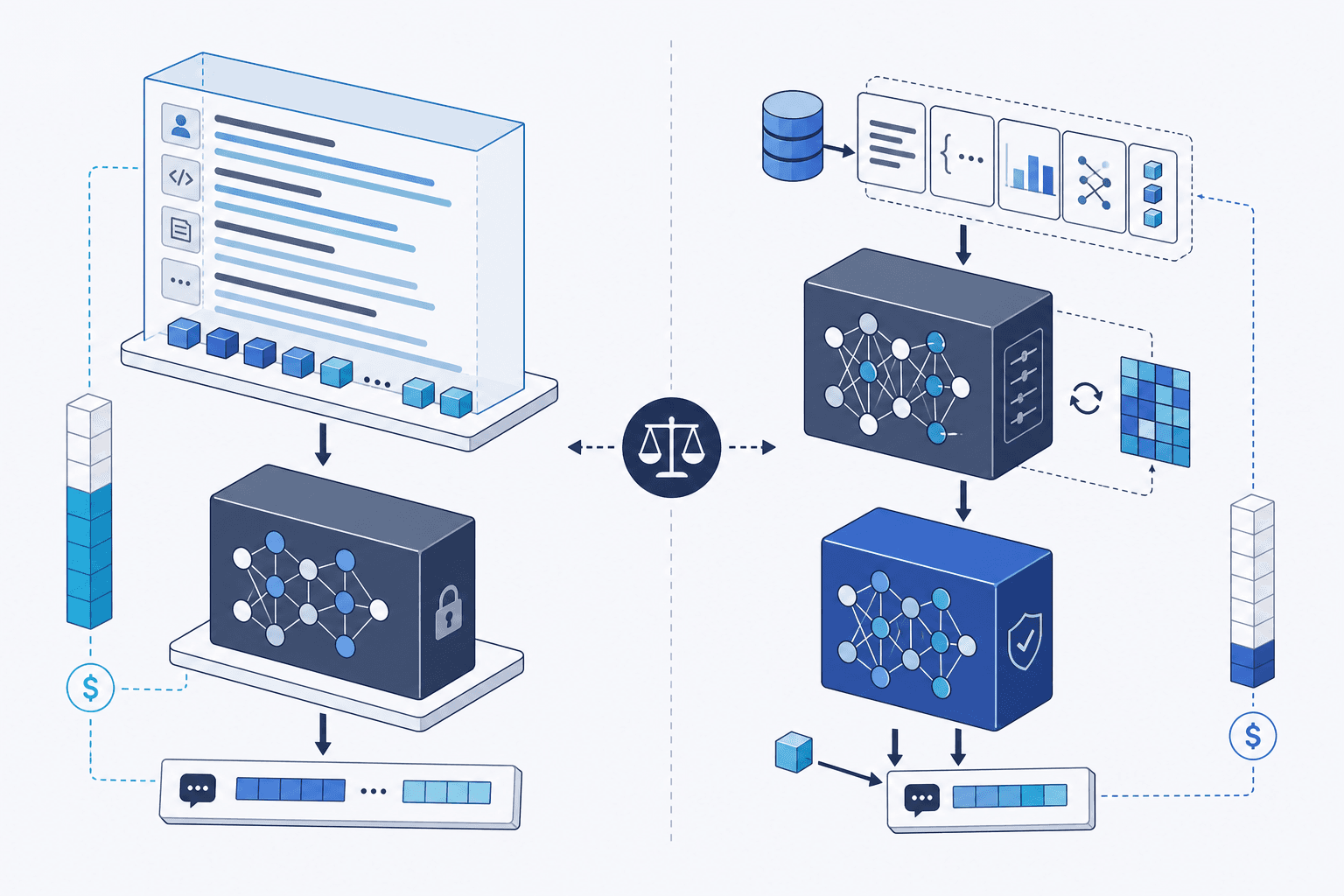
Part 5 · Fine-Tuning LLMs Hands-OnShould you fine-tune? This decision framework helps ML engineers and engineering managers choose between fine-tuning and prompting based on cost, data, and performance needs.
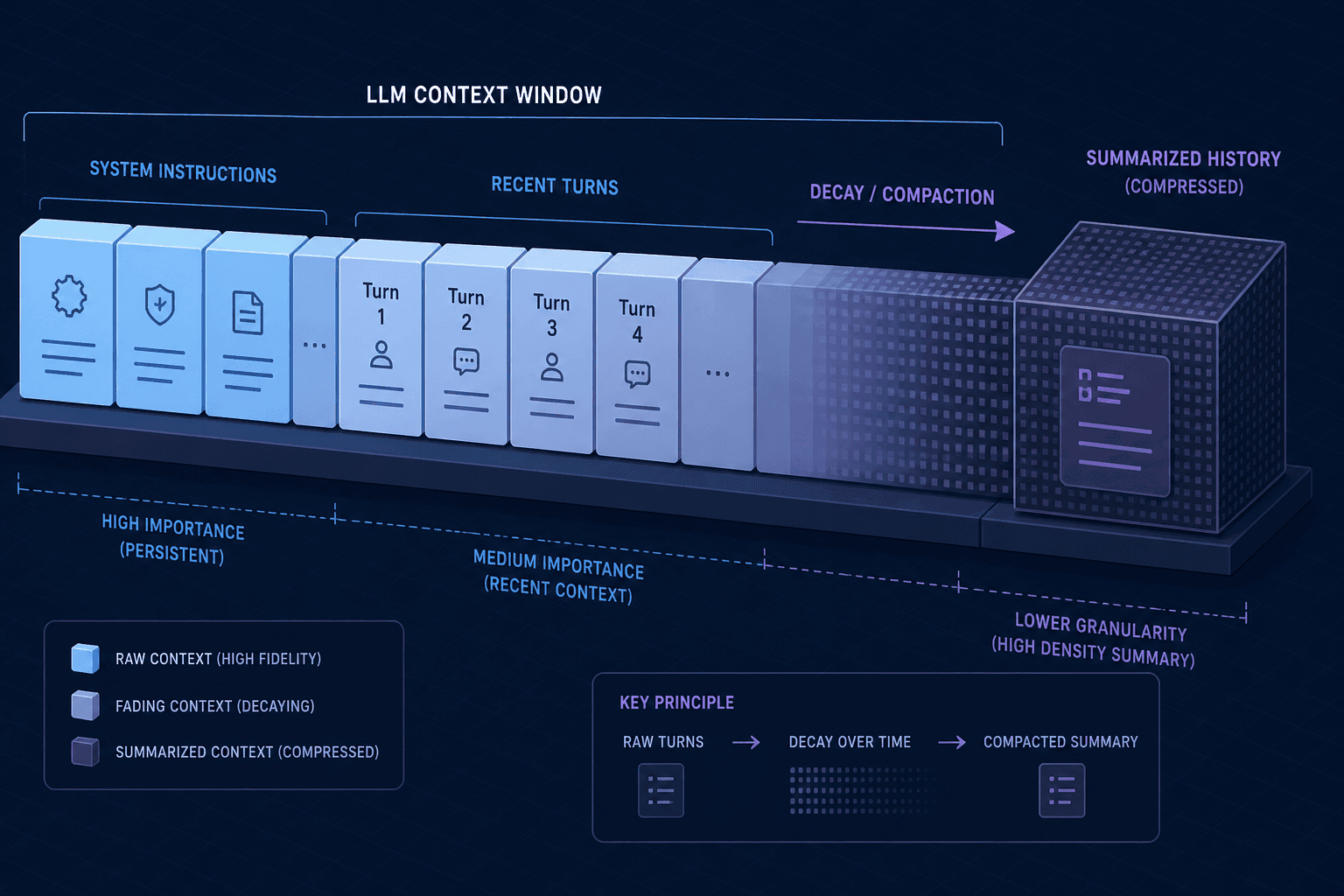
Part 1 · Fine-Tuning LLMs Hands-OnLearn how to implement summarization and compaction strategies to optimize context management in agent memory systems.
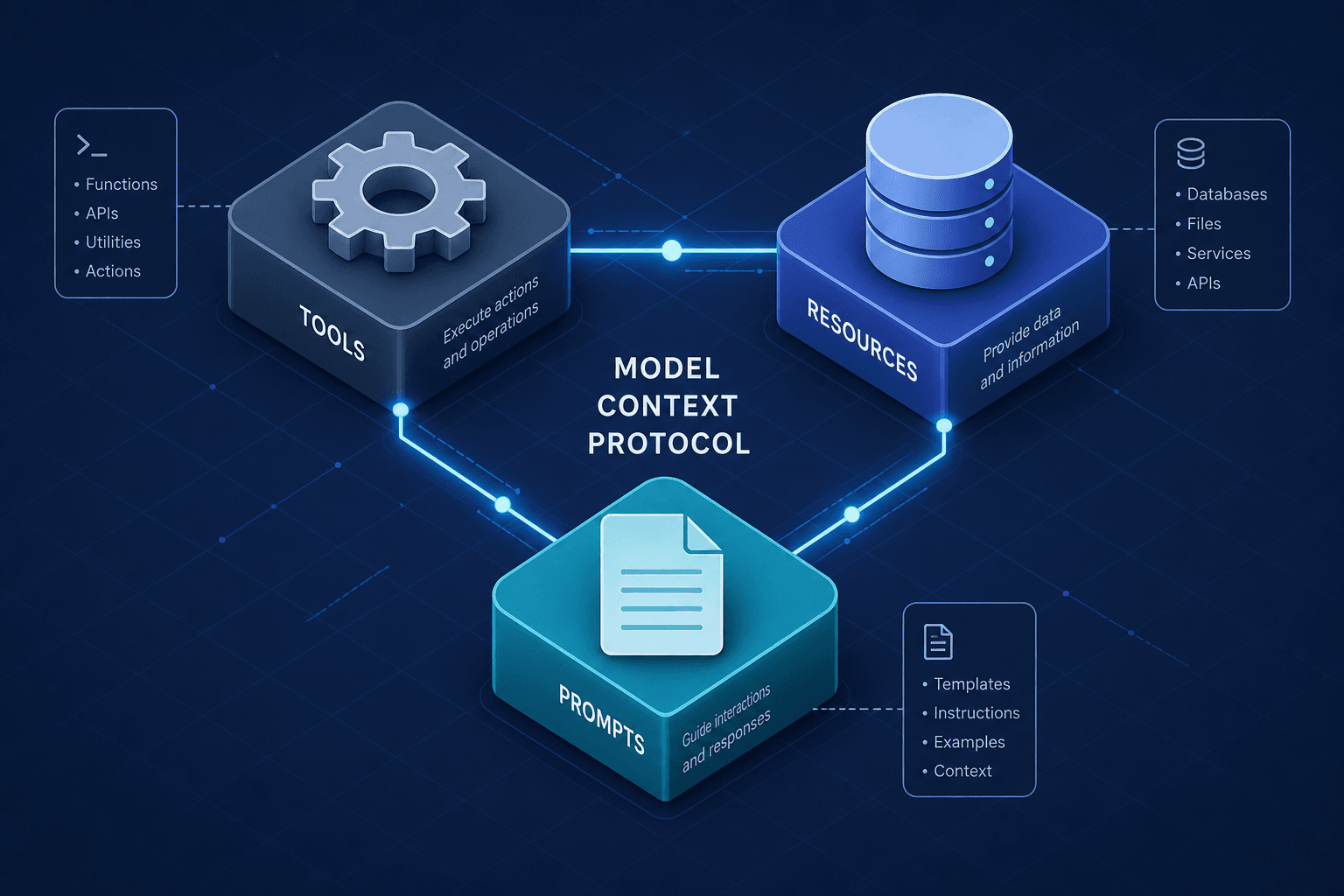
Part 2 · Agent Memory SystemsExplore the foundational building blocks of the Model Context Protocol. This guide breaks down tools, resources, and prompts to help backend developers build secure integrations.
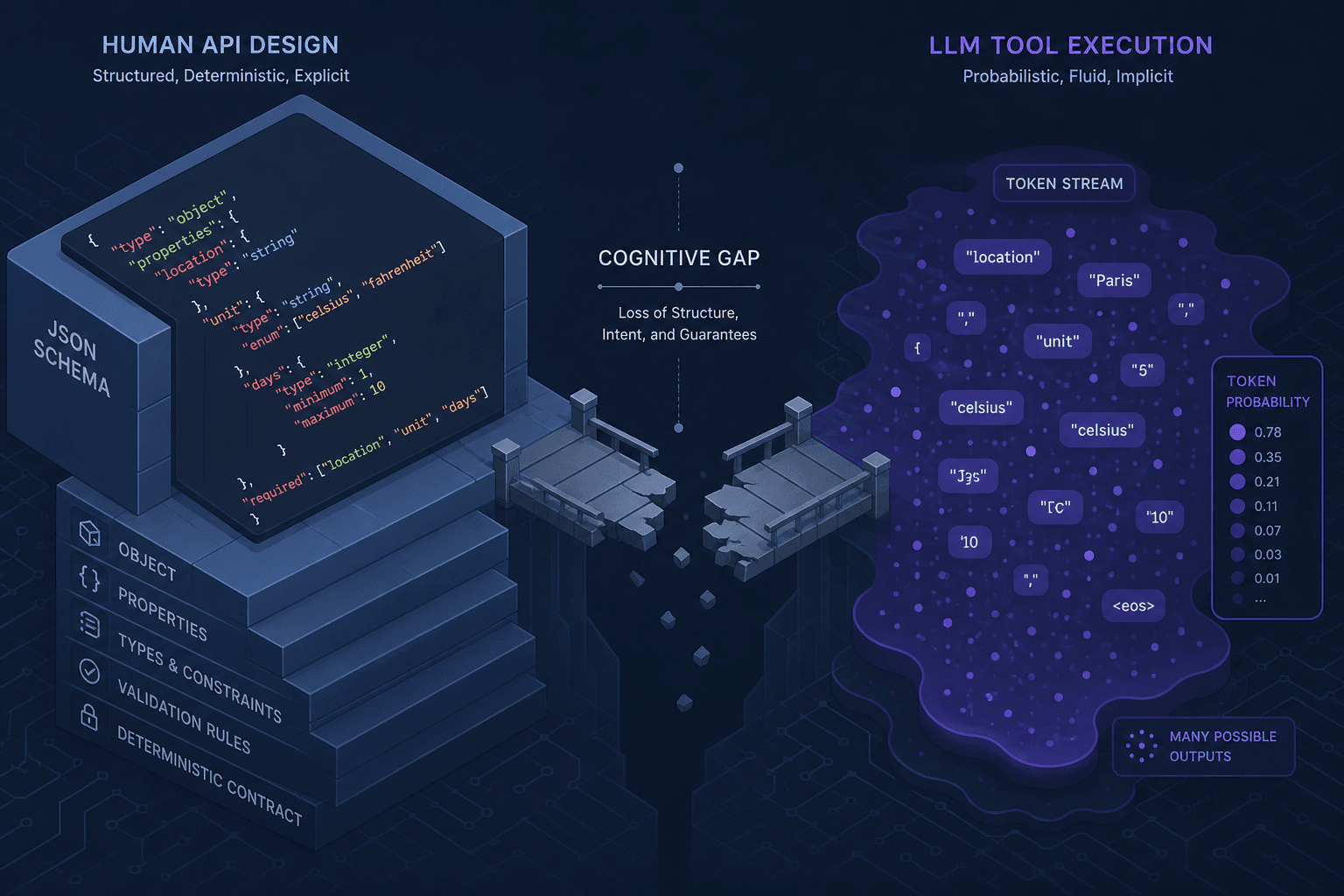
Part 2 · MCP in DepthLearn how to design tool interfaces that LLMs can reliably execute, focusing on clear schemas and precise descriptions.
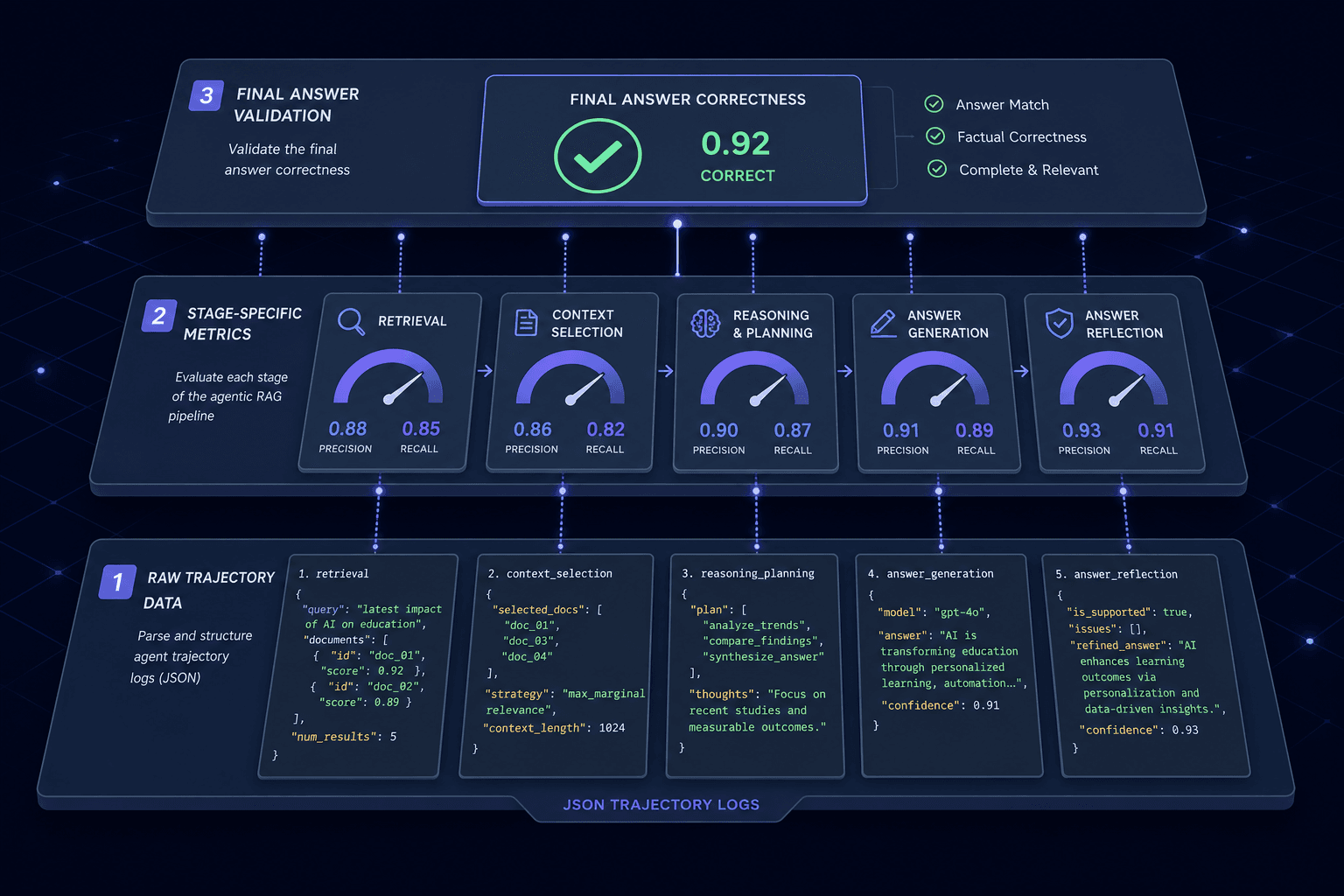
Part 3 · Building AI AgentsExplore how to evaluate agentic RAG systems effectively. This guide covers trajectory evaluation, Ragas integration, and stage metrics for ML engineers.
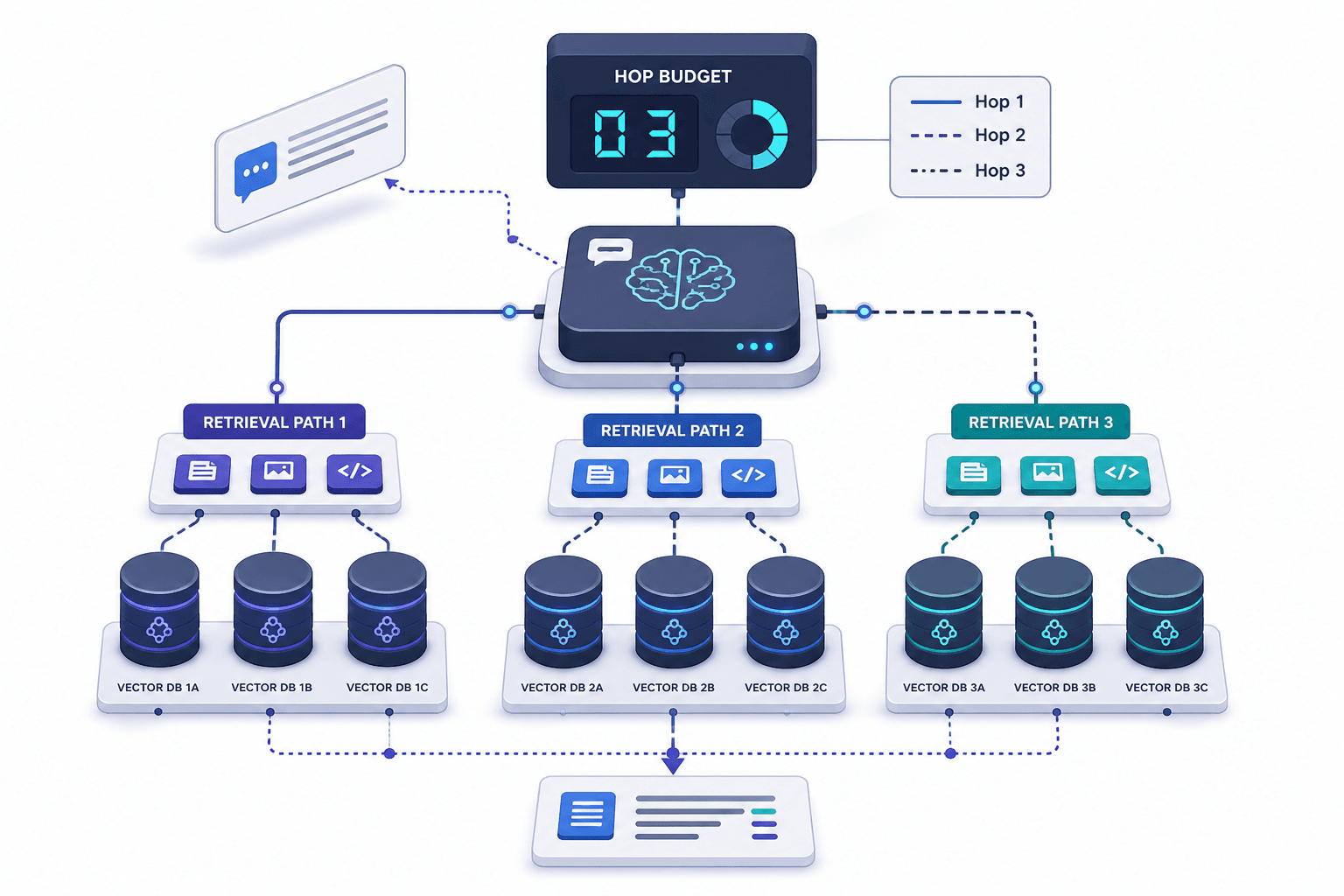
Part 6 · Agentic RAG PatternsLearn how to control latency in multi-hop retrieval by implementing hop budgets, parallel execution, and streaming responses.
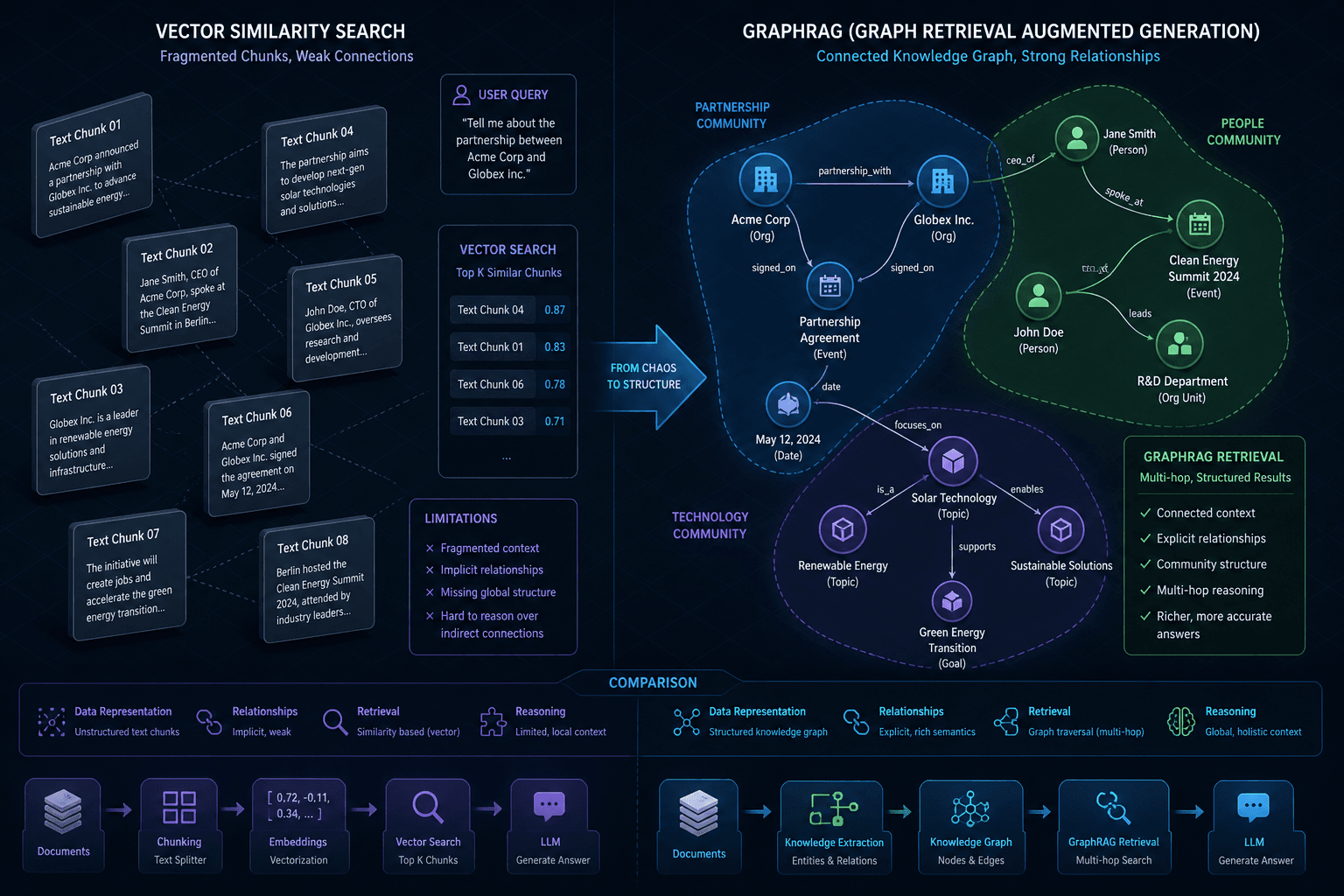
Part 5 · Agentic RAG PatternsWhy GraphRAG outperforms standard vector search by mapping relationships between entities, enabling better community detection and global context retrieval.
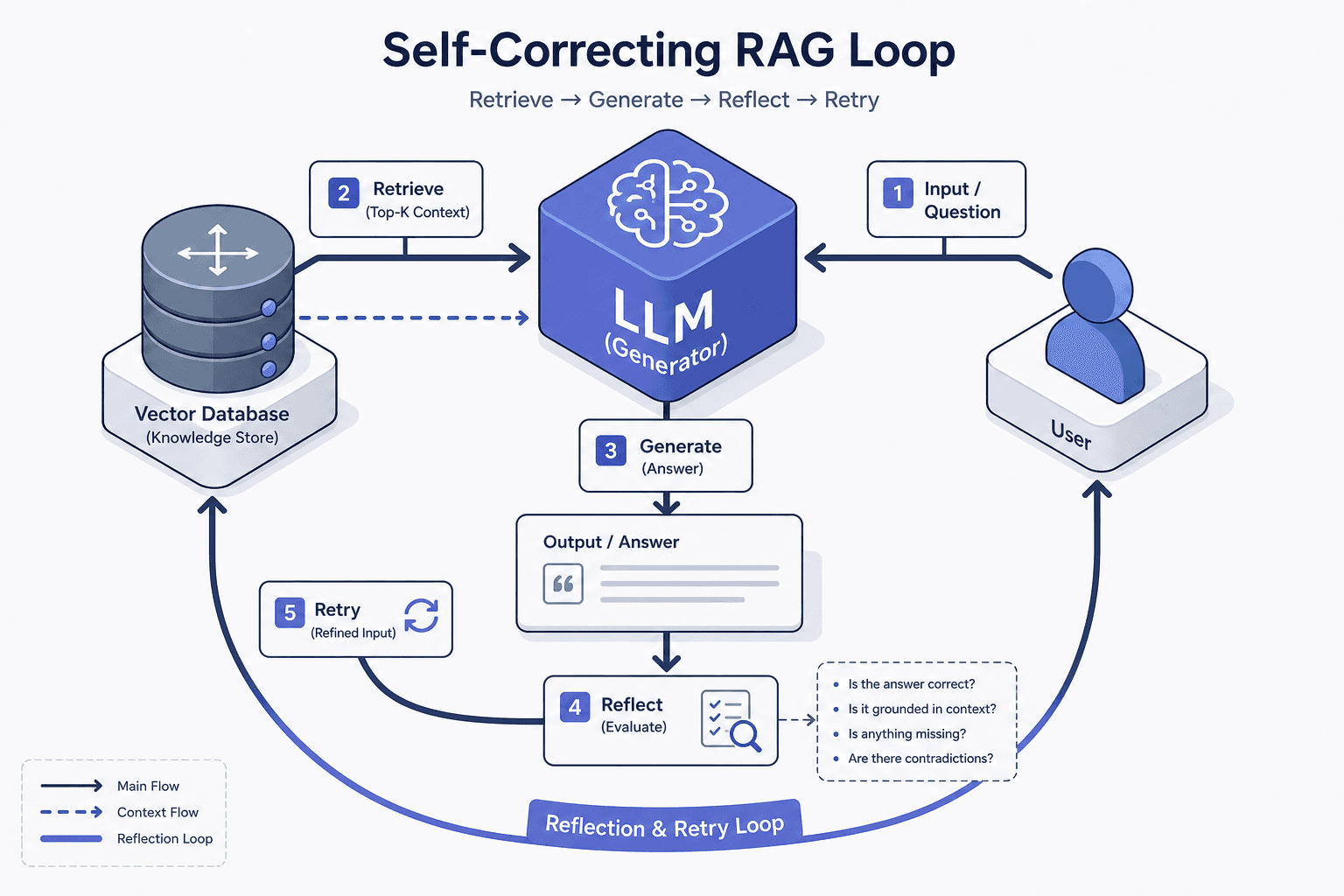
Part 4 · Agentic RAG PatternsLearn how self-correcting RAG systems use reflection and retry mechanisms to improve answer accuracy and reduce hallucinations.
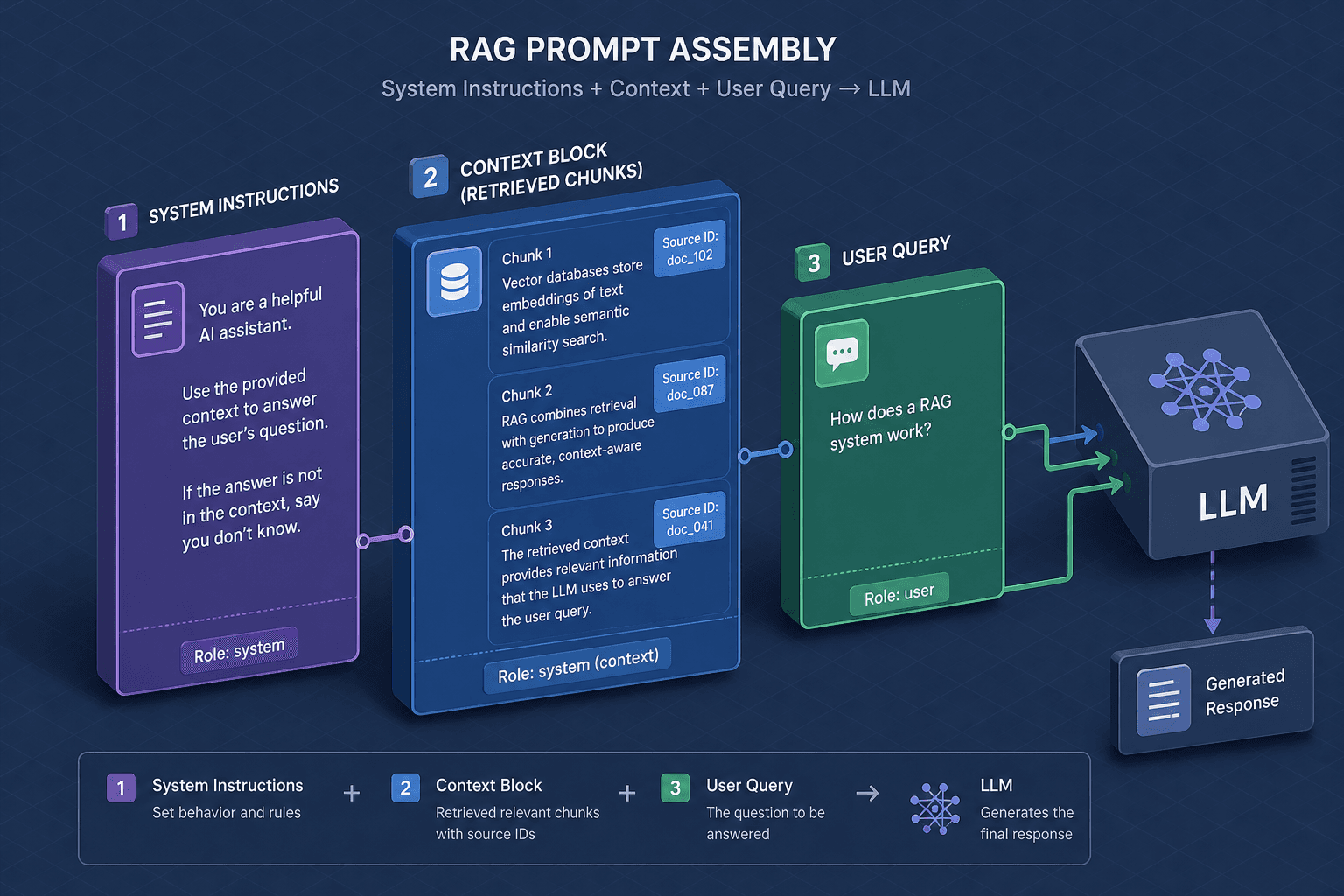
Part 3 · Agentic RAG PatternsA practical look at assembling prompts, managing context order, and implementing citations and grounding to build reliable RAG applications.
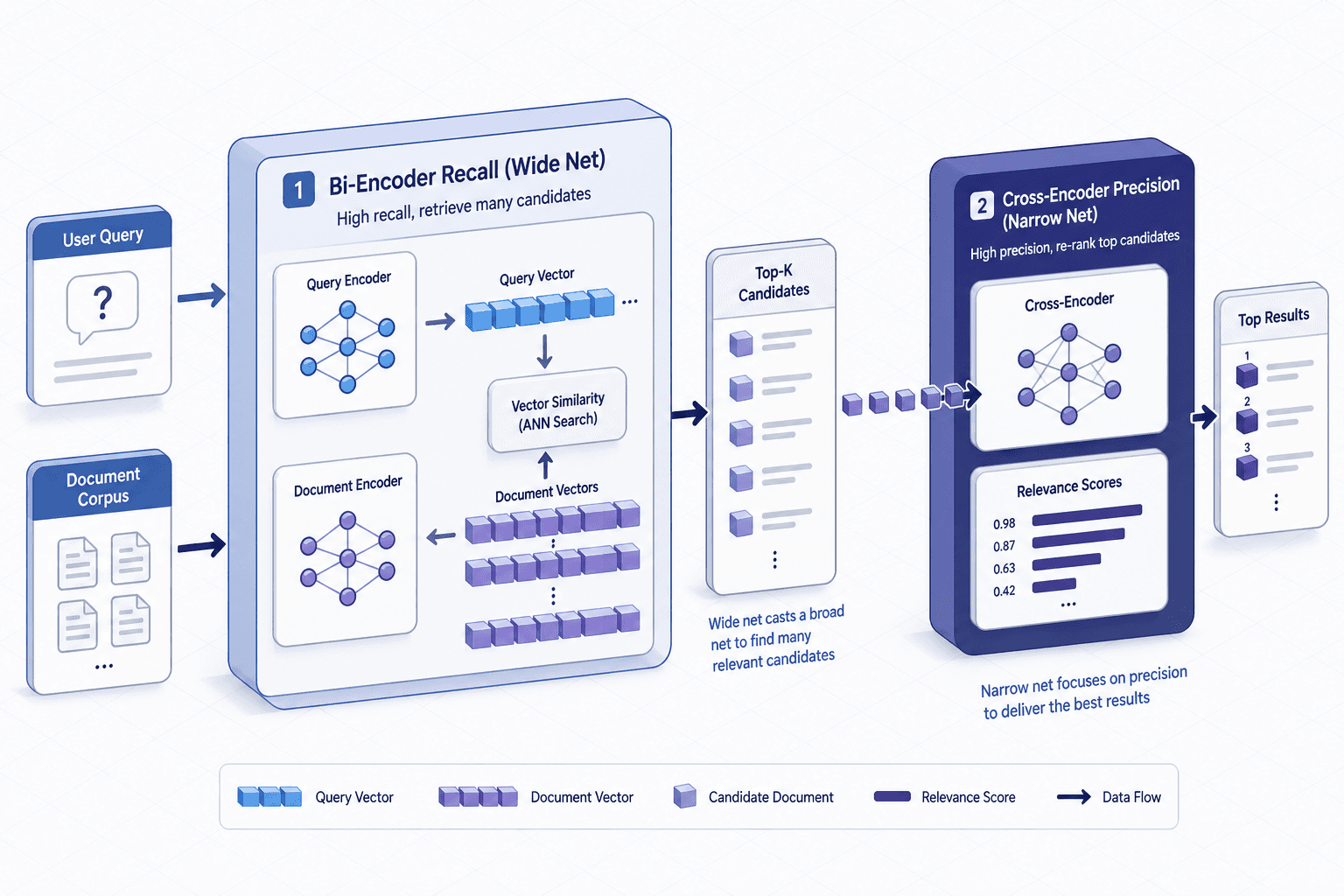
Part 7 · RAG from Zero to ProductionReranking is the most cost-effective way to boost RAG accuracy. Learn how to implement cross-encoders like Cohere and BGE for better retrieval results.
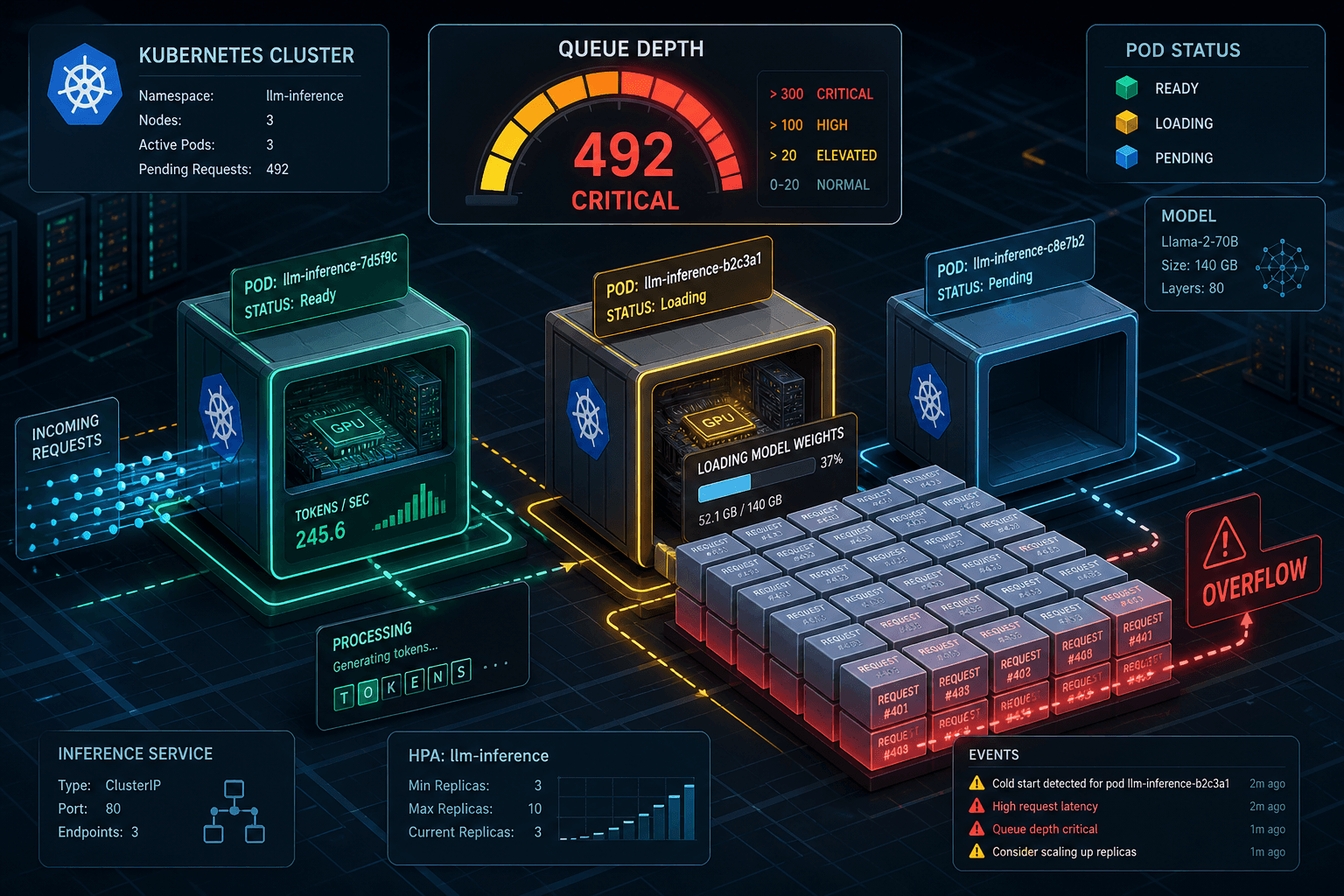
Part 6 · RAG from Zero to ProductionLearn how to autoscale LLM workloads without the pain of cold starts. Explore HPA, queue depth monitoring, and scale-to-zero techniques.
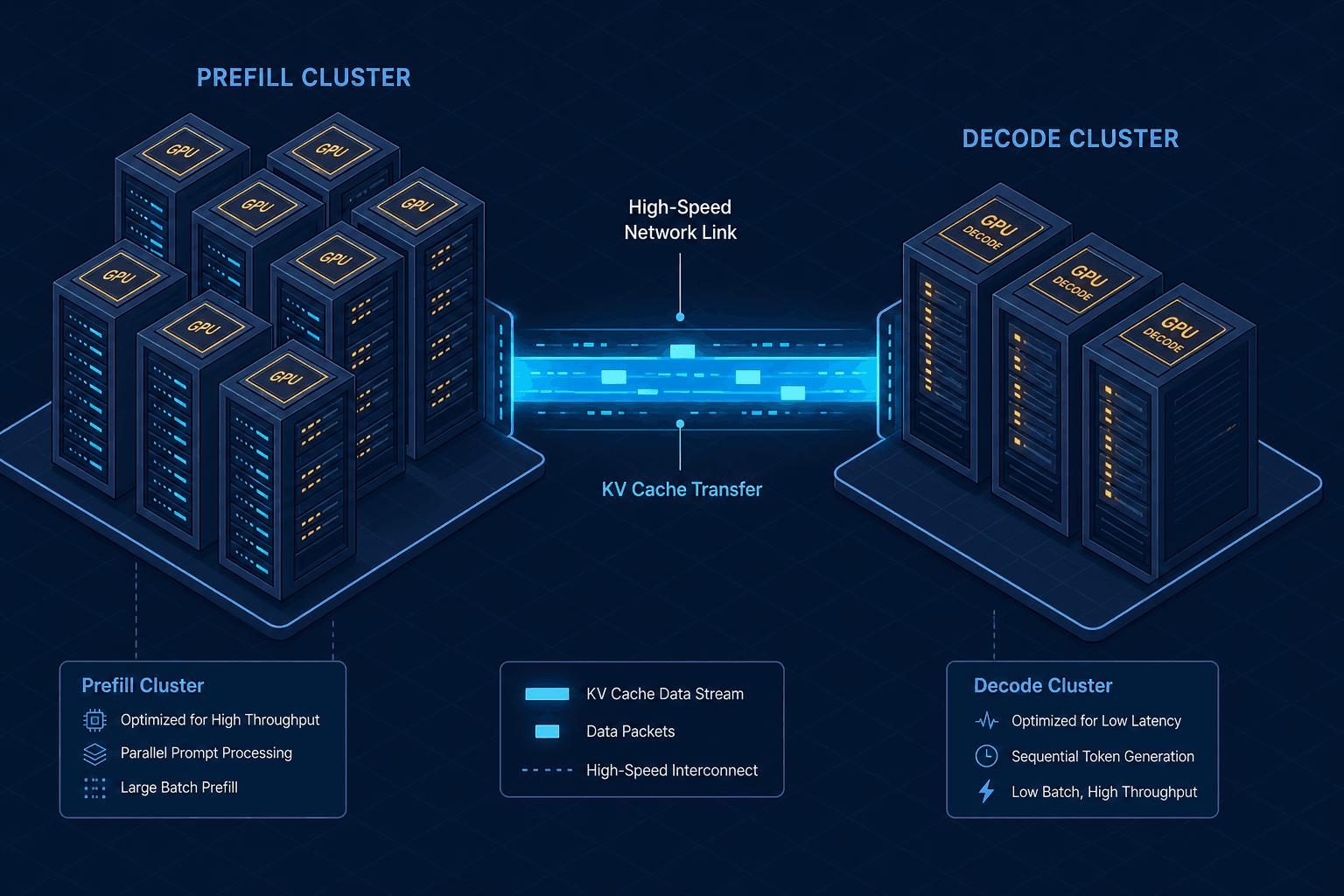
Part 6 · Distributed & MoE ServingExplore how separating prefill and decode phases in LLM serving improves efficiency through optimized KV cache transfer and disaggregated infrastructure.
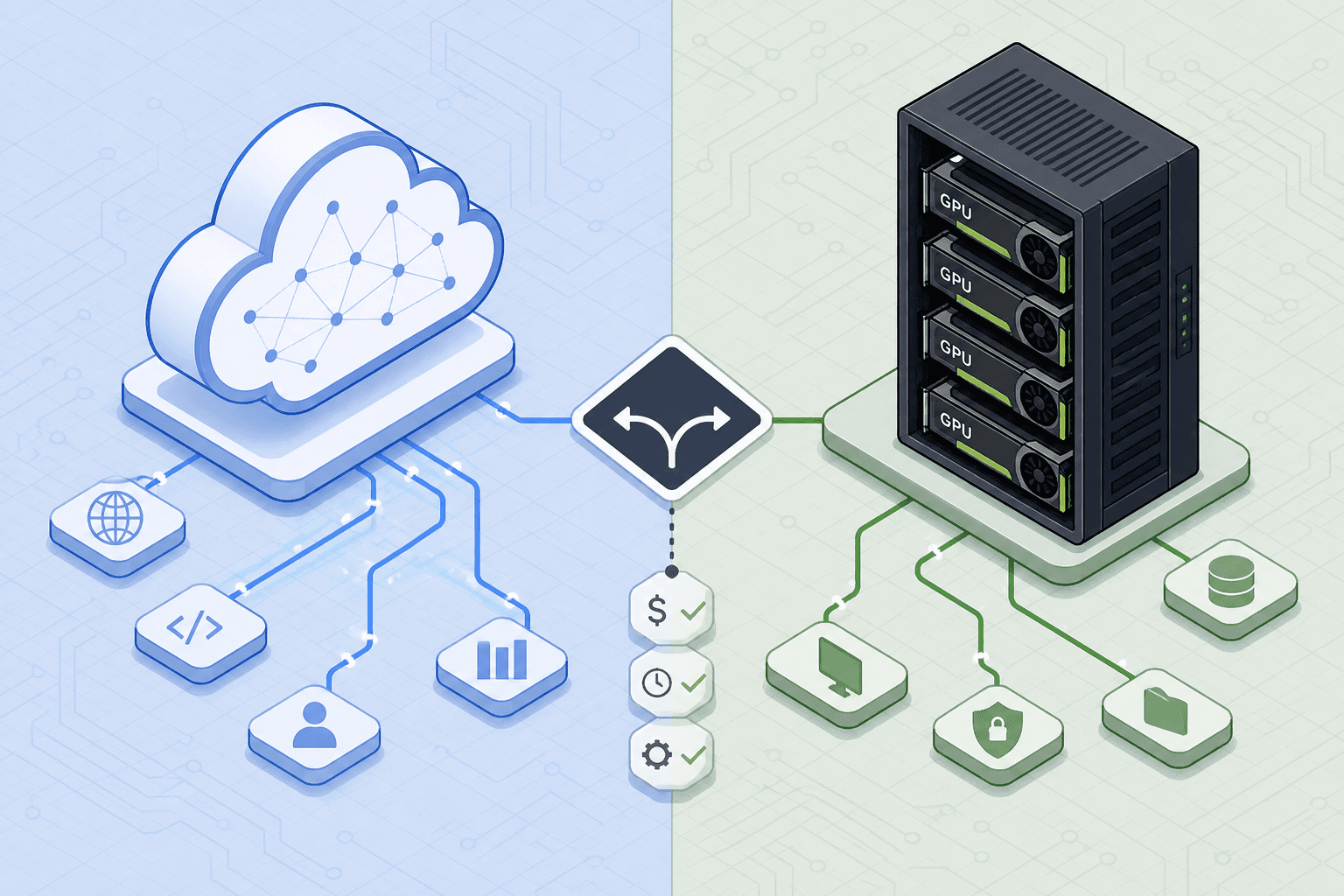
Part 4 · Distributed & MoE ServingShould you build or buy your LLM infrastructure? We analyze the break-even points, data residency requirements, and GPU economics to help engineering managers decide.
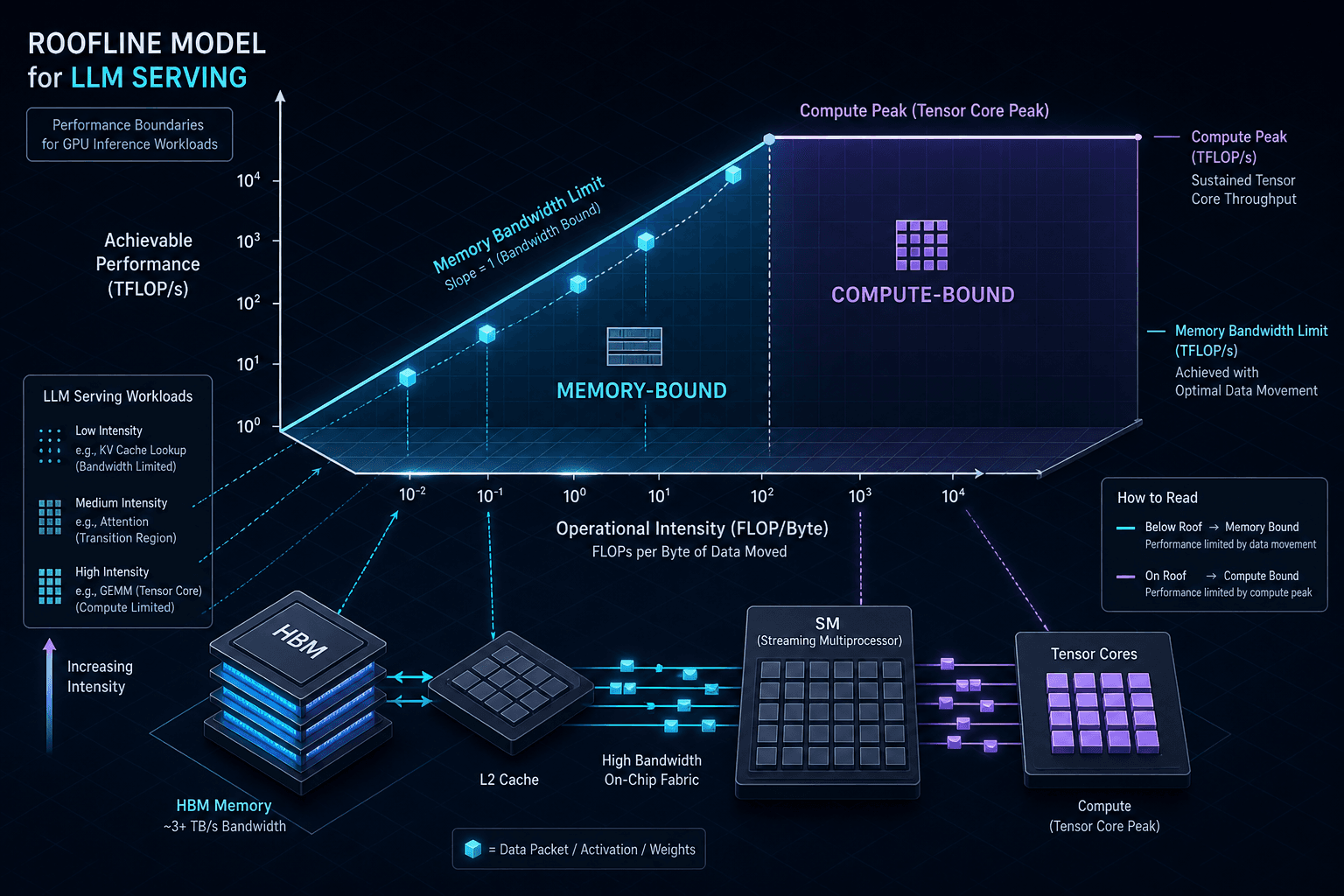
Part 5 · GPU Economics for AI TeamsLearn how to use roofline analysis to optimize GPU utilization and measure MFU effectively in LLM serving pipelines.
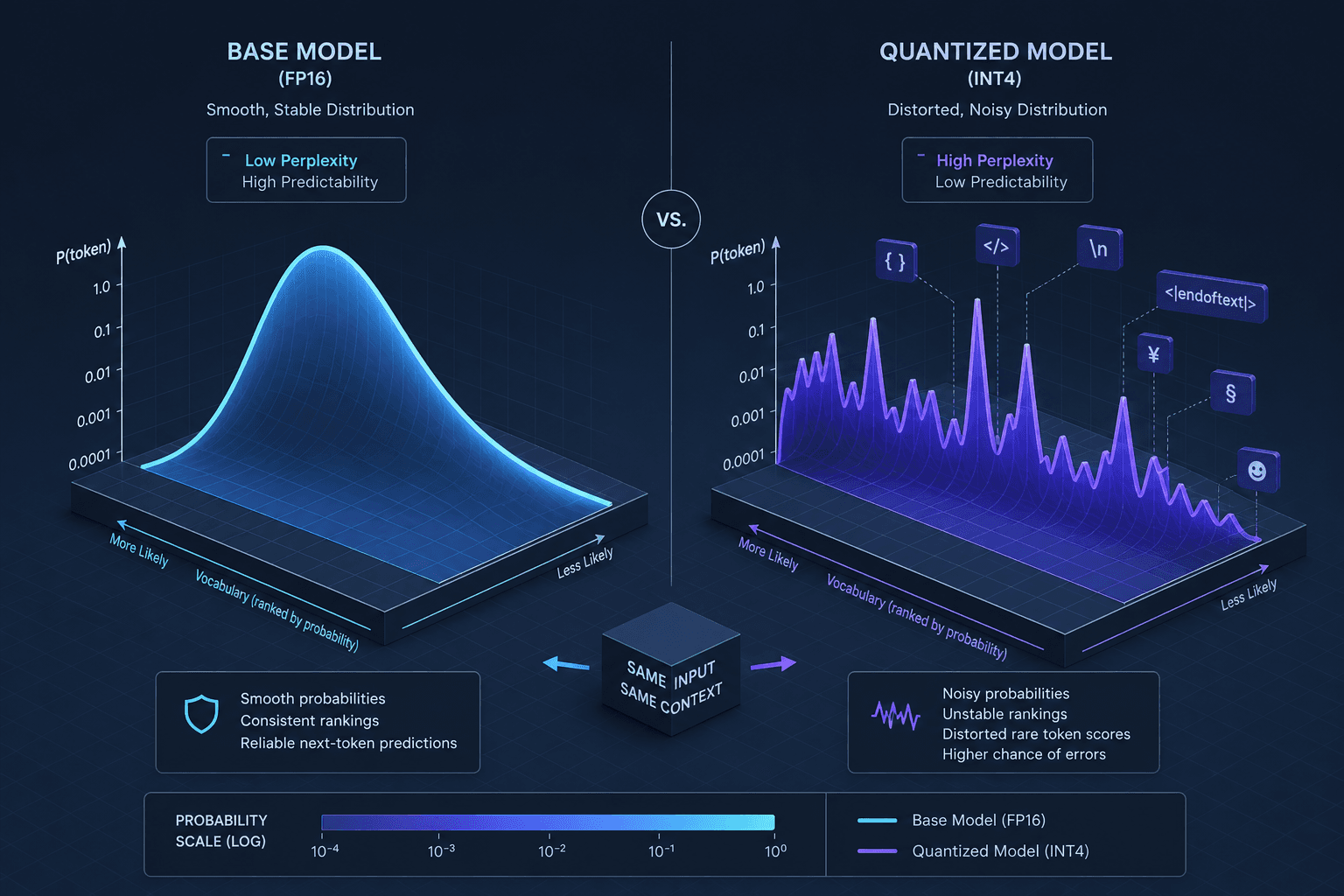
Part 2 · GPU Economics for AI TeamsPerplexity is a common metric, but it often masks significant quality loss in quantized models. This article explores better ways to measure quantization damage.
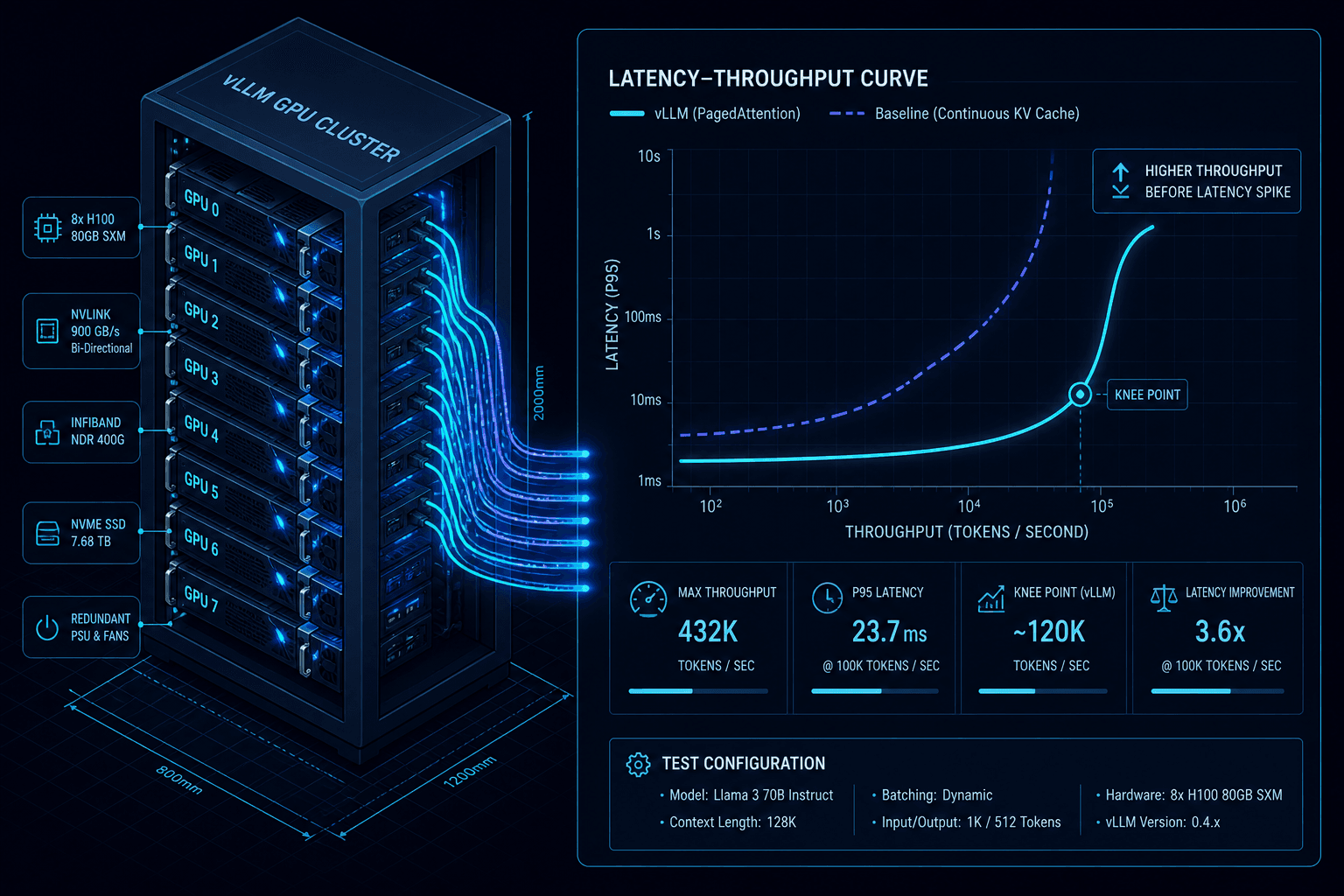
Part 5 · Quantization in PracticeLearn how to effectively benchmark and load-test your vLLM deployment. This guide covers throughput, latency curves, and capacity planning strategies.
Part 8 · Production vLLM