6 min readSecurityFeatured
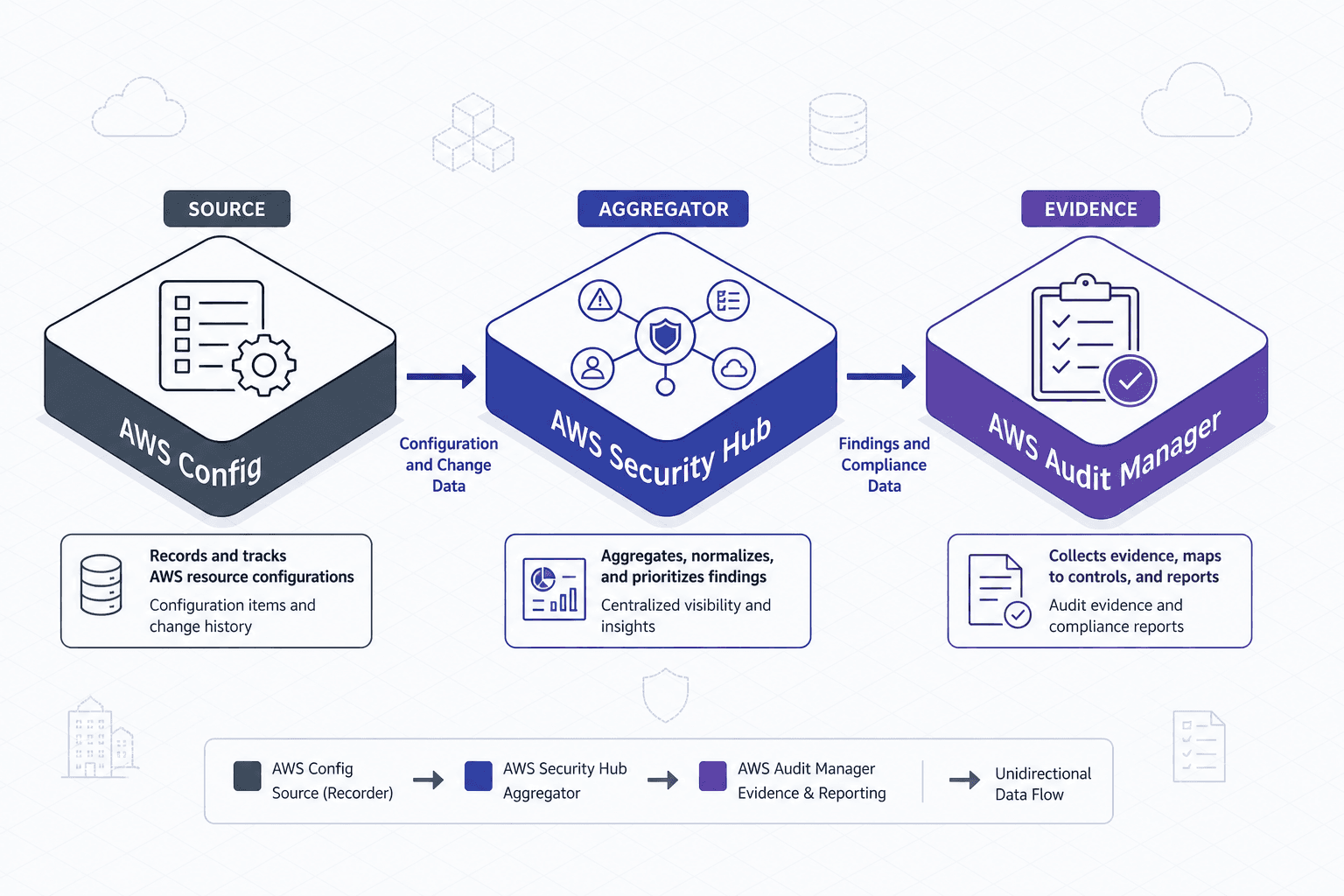
AWS Security Hub, Config, and Audit Manager Compared
Compare AWS Security Hub, Config, and Audit Manager to understand their roles in cloud security, compliance, and conformance packs.
Part 3 · AWS Security ObservabilityBlog
Practical guides on OAuth 2.0, OpenID Connect, SAML, Keycloak, and the platform engineering behind identity systems.
595 posts · page 20 of 30
Compare AWS Security Hub, Config, and Audit Manager to understand their roles in cloud security, compliance, and conformance packs.
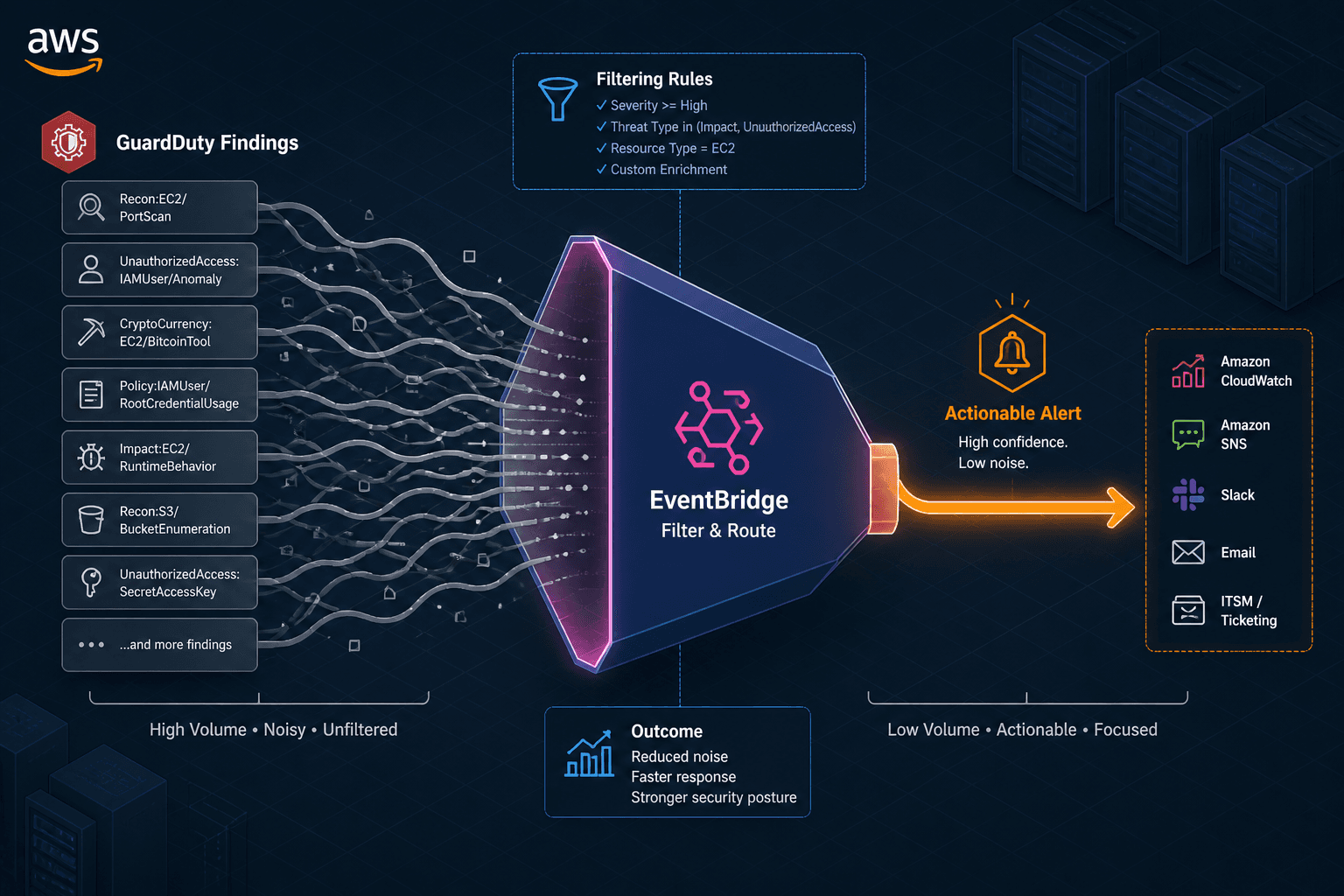
Part 3 · AWS Security ObservabilityStop the noise. Learn how to tune AWS EventBridge and GuardDuty rules to surface only actionable security events for SREs.
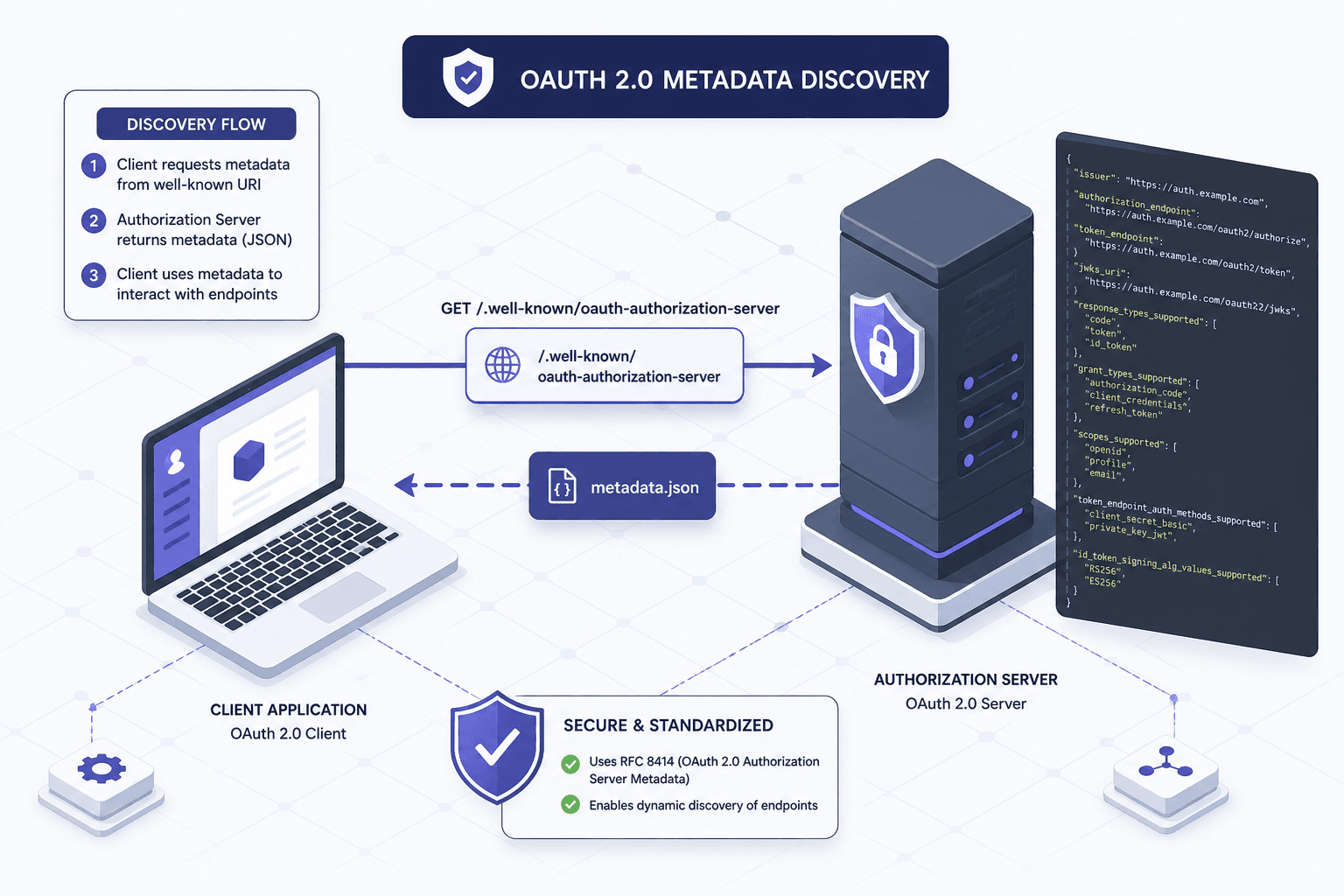
Part 2 · AWS Security ObservabilityRFC 8414 simplifies OAuth 2.0 integration by defining a standard mechanism for clients to discover authorization server metadata and endpoints automatically.
Part 1 · Authorization Server Metadata (RFC 8414)A technical examination of token storage strategies in Angular OAuth2 OIDC applications, analyzing the security implications of localStorage, sessionStorage, and in-memory options.
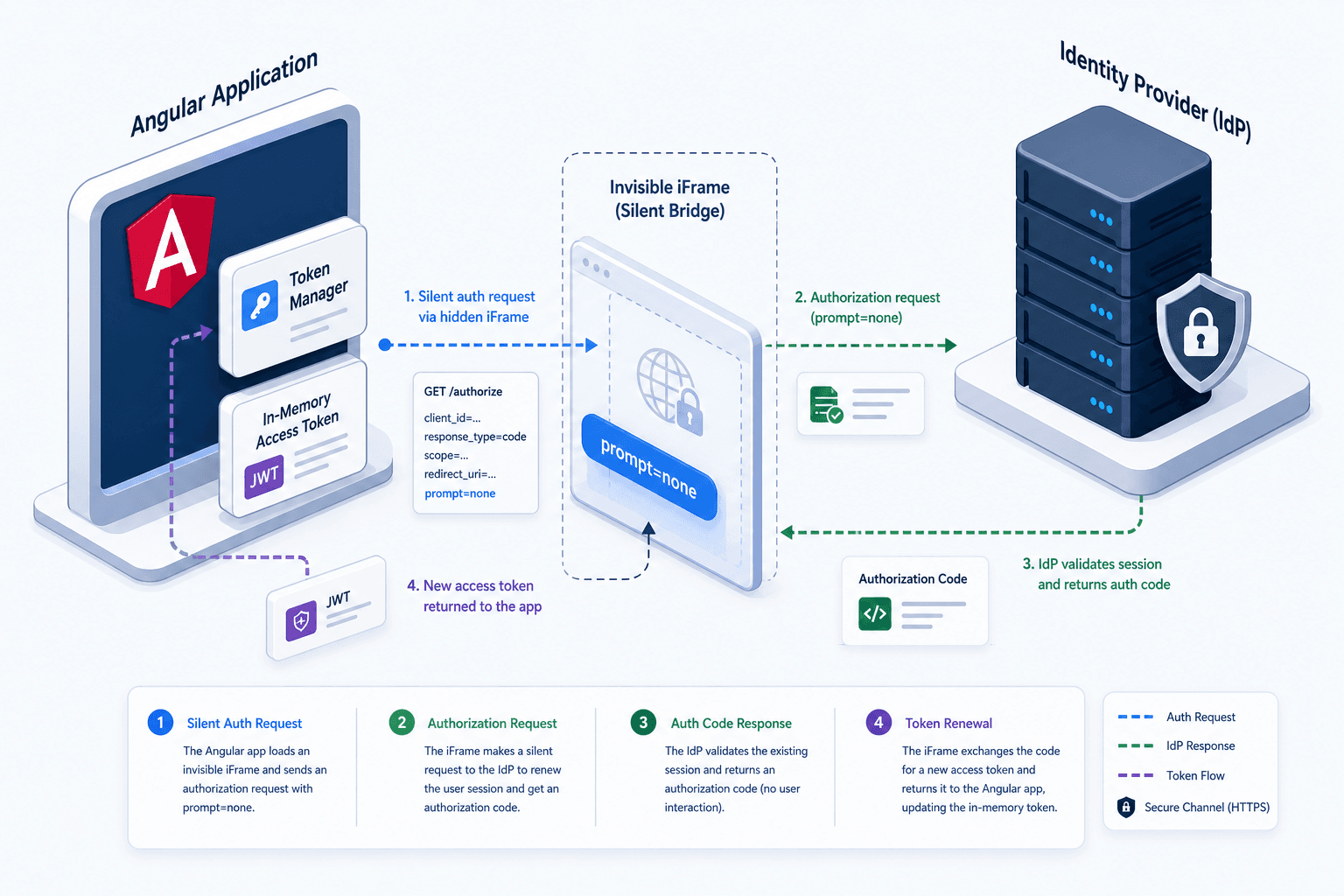
Part 5 · angular-oauth2-oidc in ProductionA practical guide to managing access token expiration in Angular applications by leveraging userefreshtoken and setupautomaticsilentrefresh for uninterrupted user sessions.
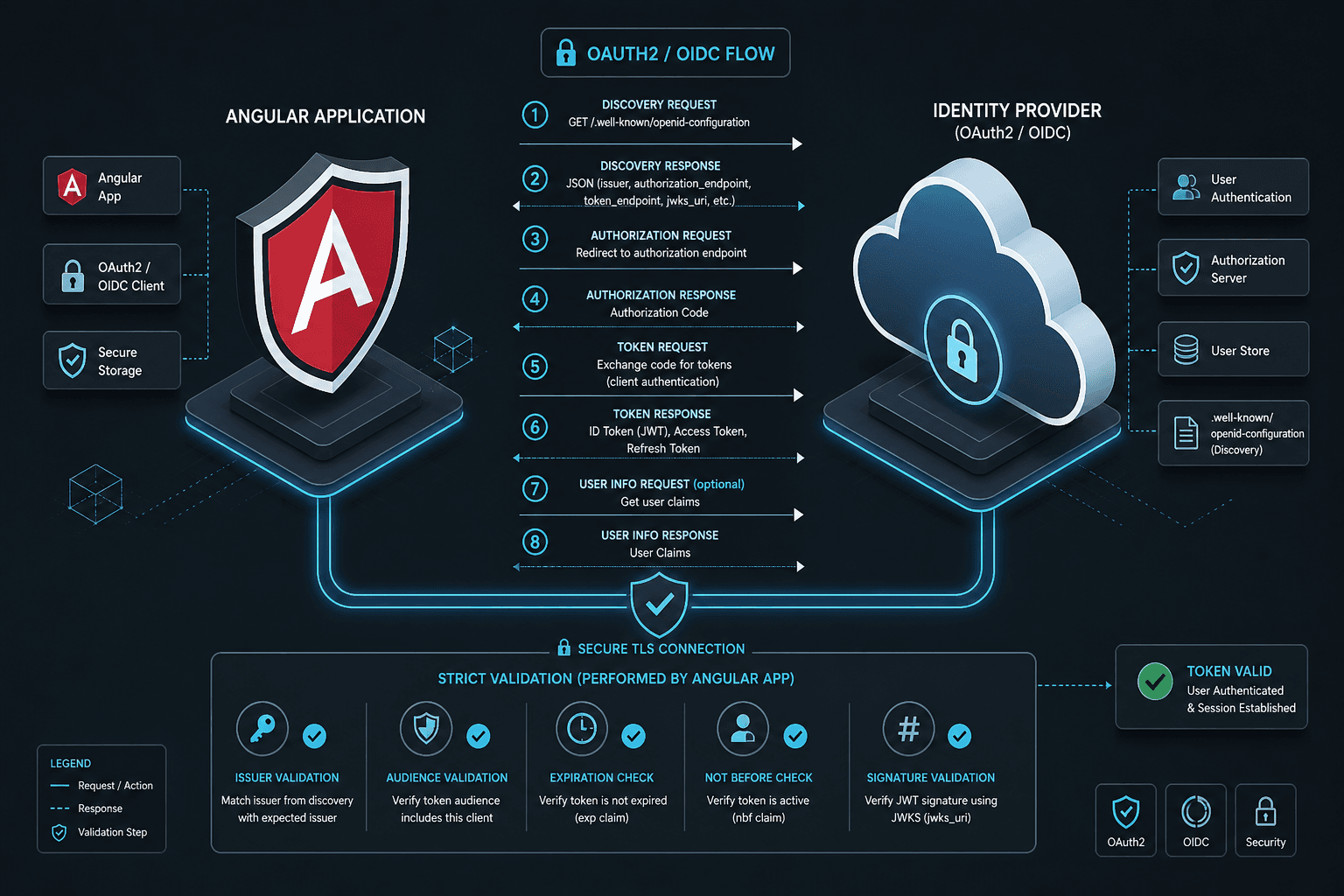
Part 4 · angular-oauth2-oidc in ProductionA guide to implementing loadDiscoveryDocumentAndTryLogin and strict discovery document validation in Angular applications for secure authentication flows.
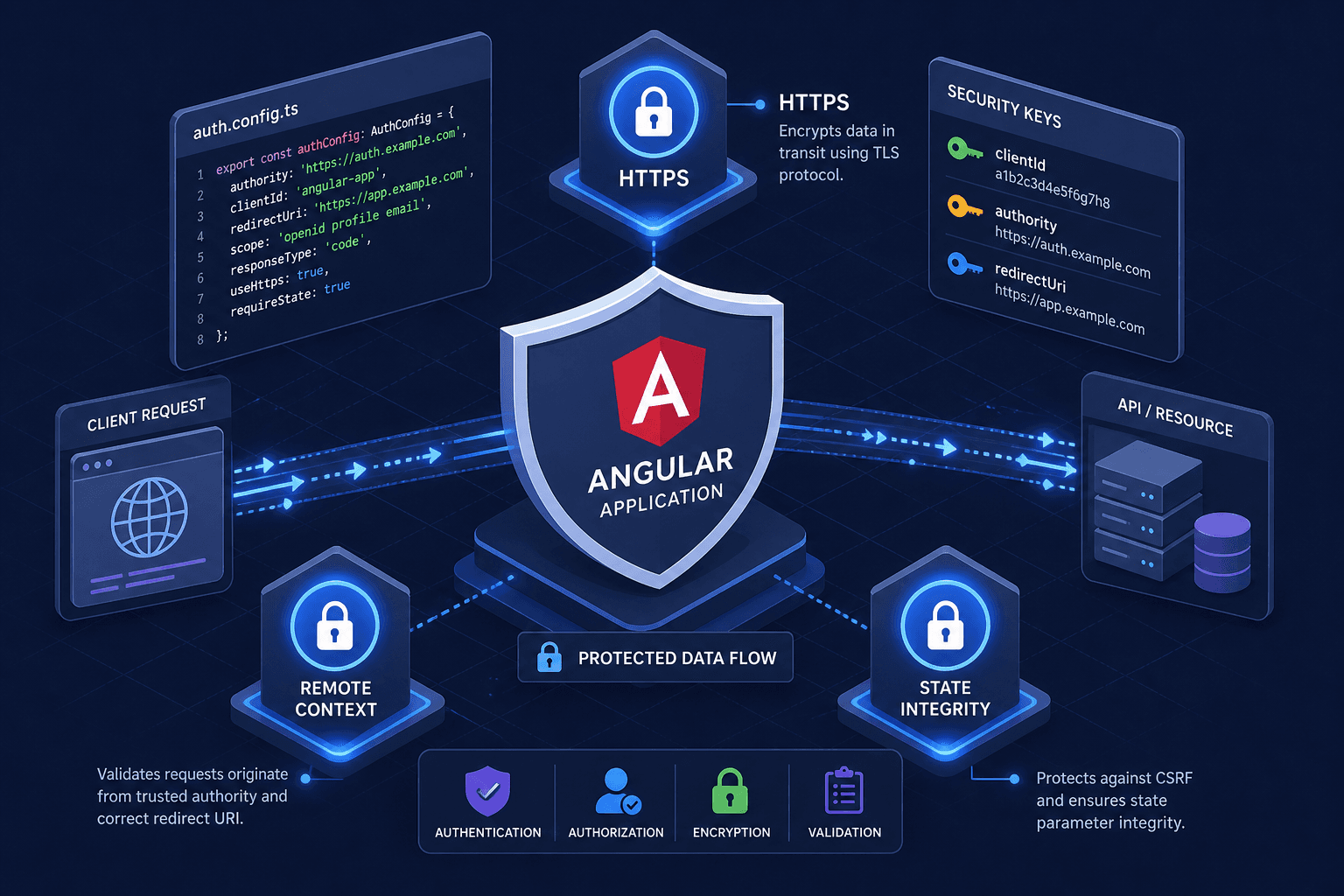
Part 3 · angular-oauth2-oidc in ProductionConfigure the essential AuthConfig properties in Angular-OAuth2-OIDC. Learn how to set requireHttps, remoteOnly, and nonceStateSeparator for secure authentication.
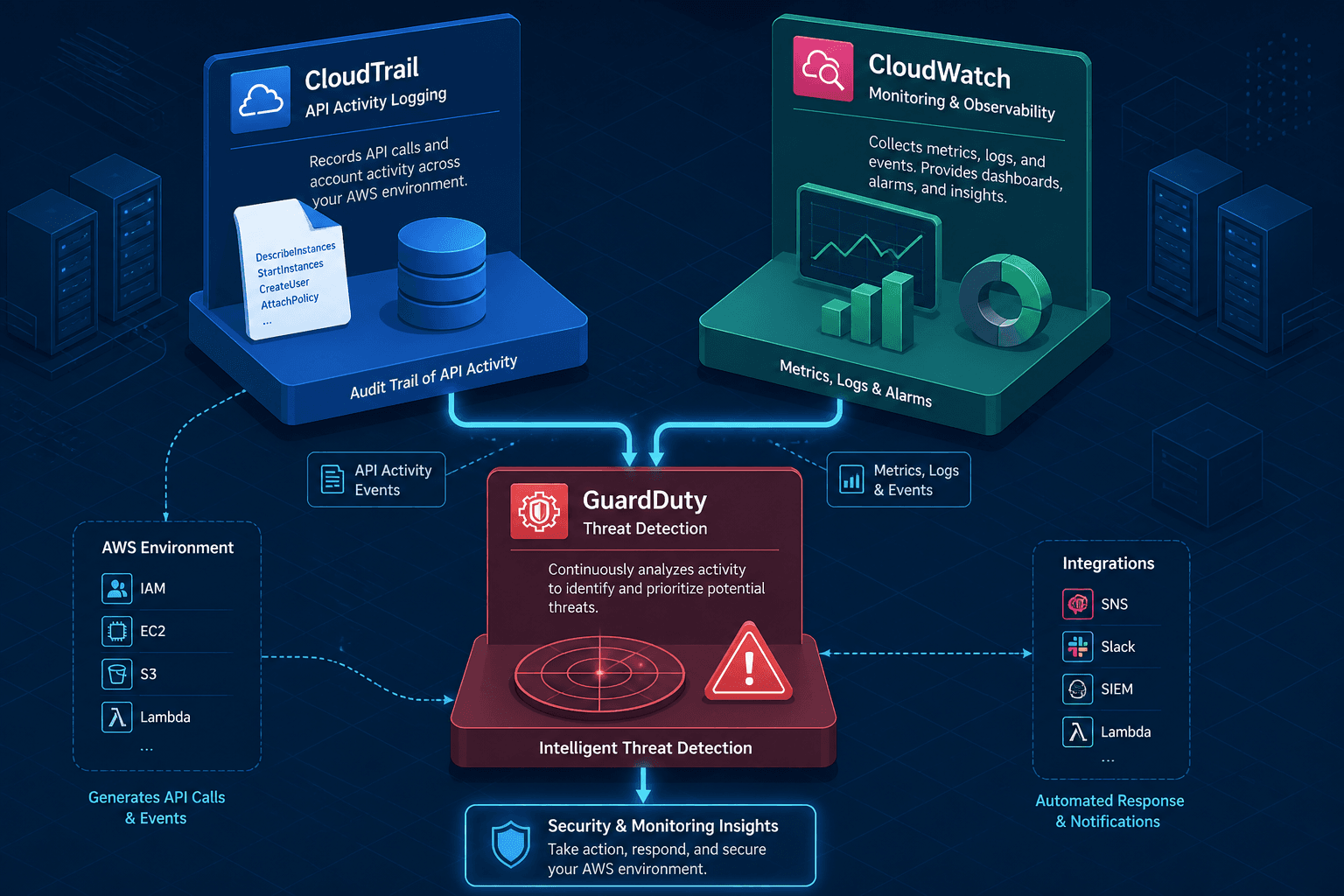
Part 2 · angular-oauth2-oidc in ProductionA clear breakdown of how CloudTrail, CloudWatch, and GuardDuty function together to provide visibility and security in AWS environments.
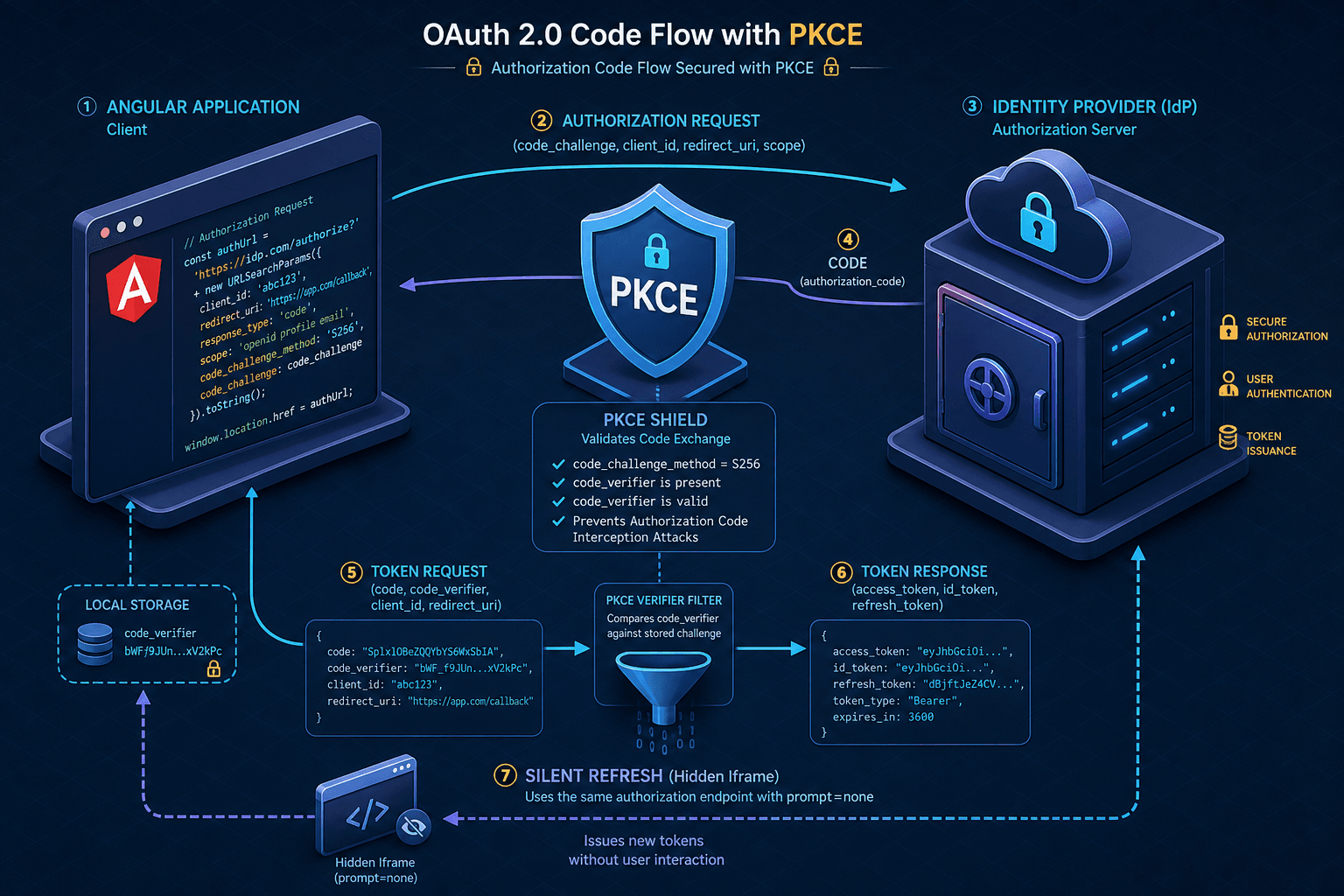
Part 1 · AWS Security ObservabilityLearn how to implement secure authentication in Angular using the code flow with PKCE extension via the angular-oauth2-oidc library.
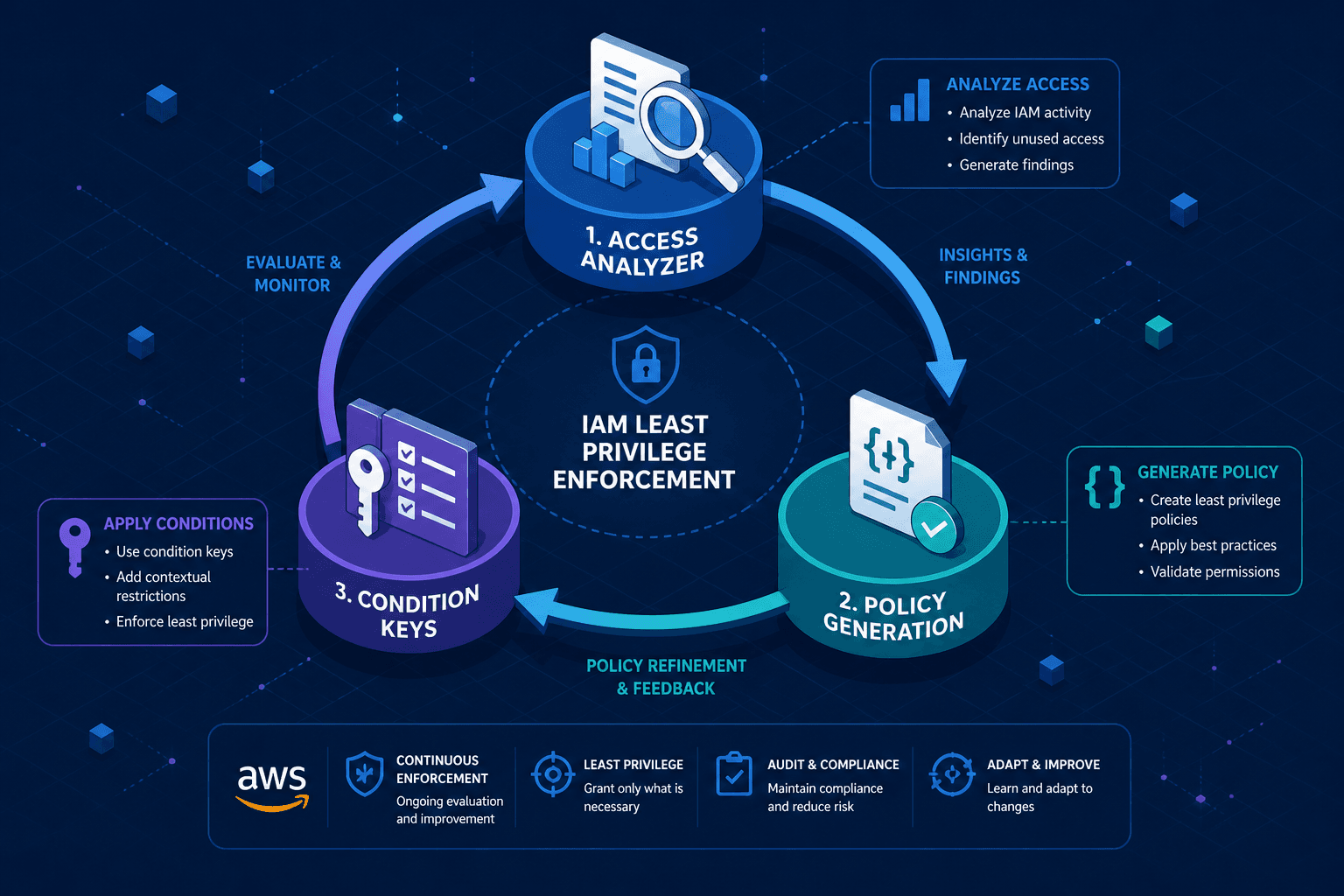
Part 1 · angular-oauth2-oidc in ProductionLearn how to enforce least privilege in AWS by leveraging IAM Access Analyzer, automated policy generation, and condition keys to minimize security risks.
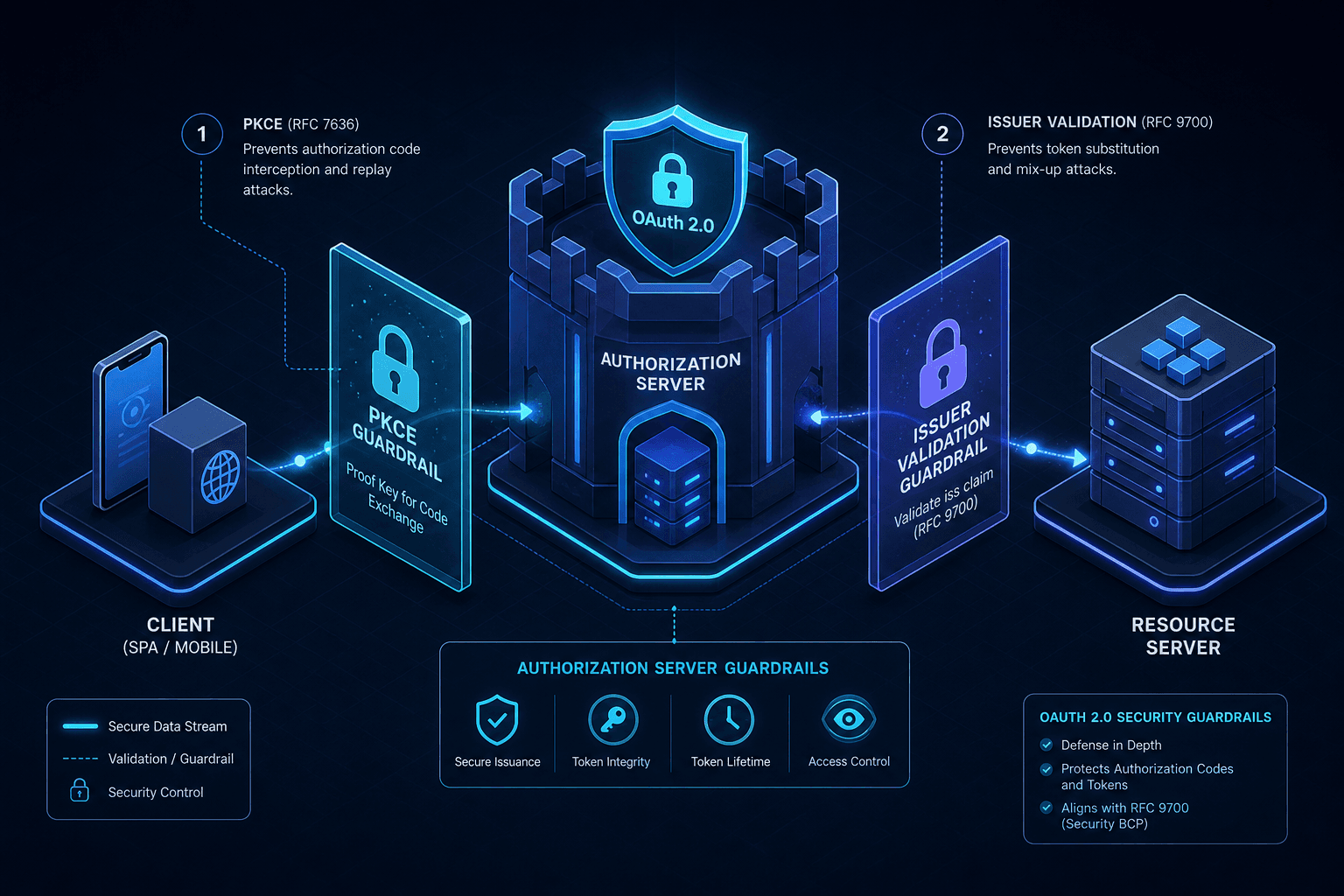
RFC 9700 establishes essential security guidelines for OAuth 2.0 implementations, addressing critical vulnerabilities like mix-up attacks and redirect URI handling.
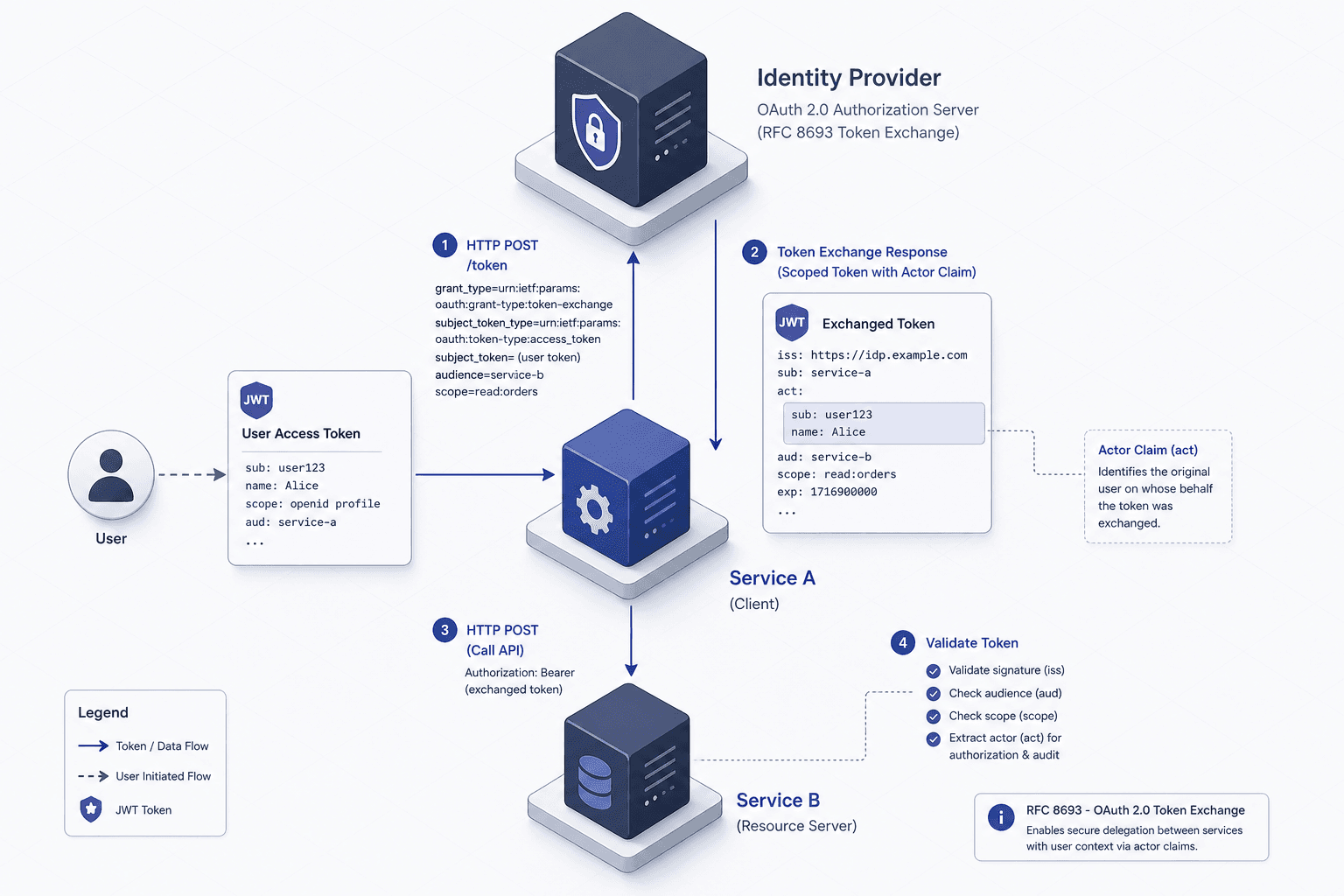
Part 6 · OAuth 2.0 RFCs Every Engineer Should ReadExplore RFC 8693's specifications for token exchange, delegation, and impersonation, essential for secure identity propagation in modern OAuth 2.0 architectures.
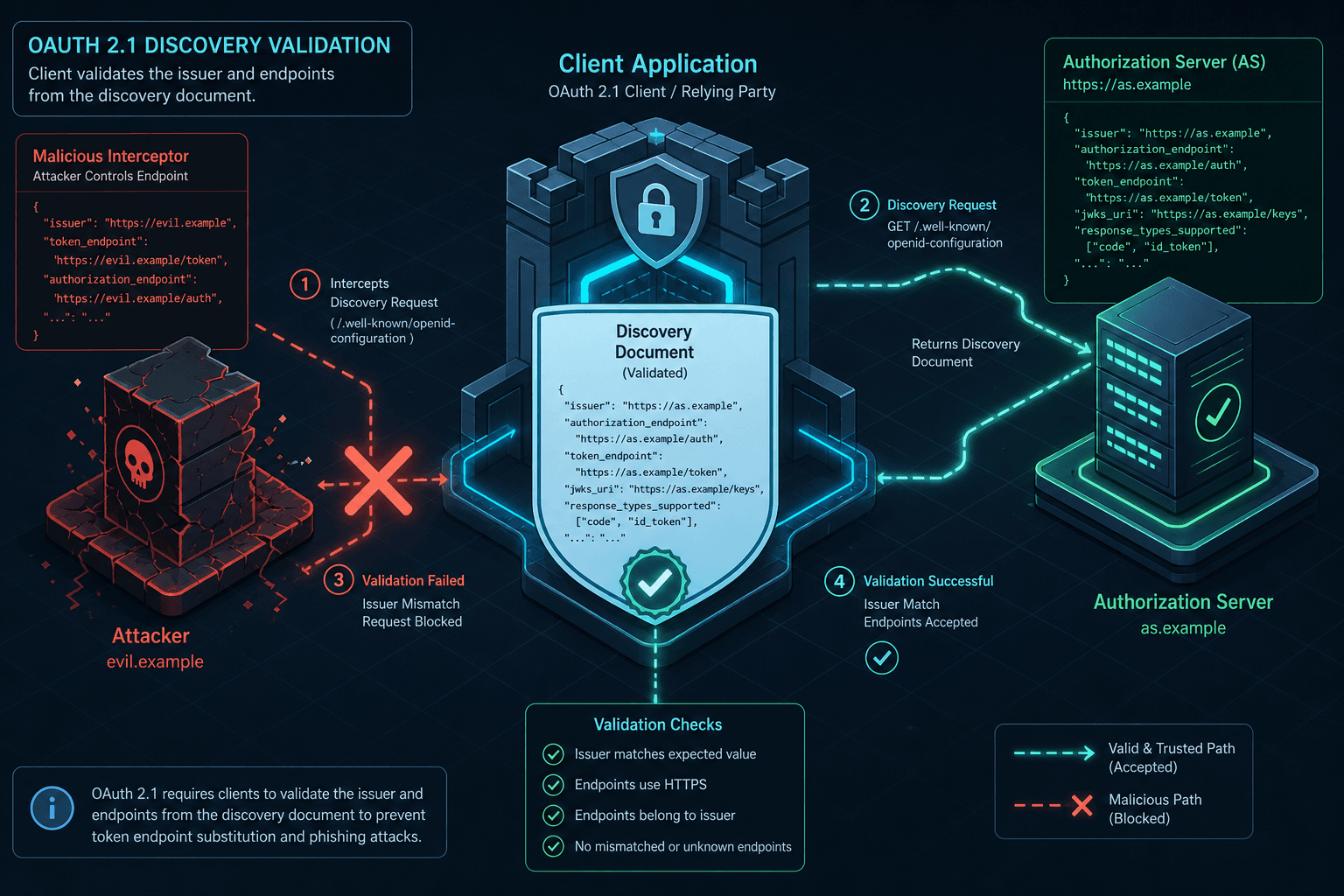
Part 4 · OAuth 2.0 RFCs Every Engineer Should ReadLearn how to securely implement OAuth 2.1 discovery in your client applications, focusing on issuer validation and strict discovery document validation to prevent authorization server attacks.
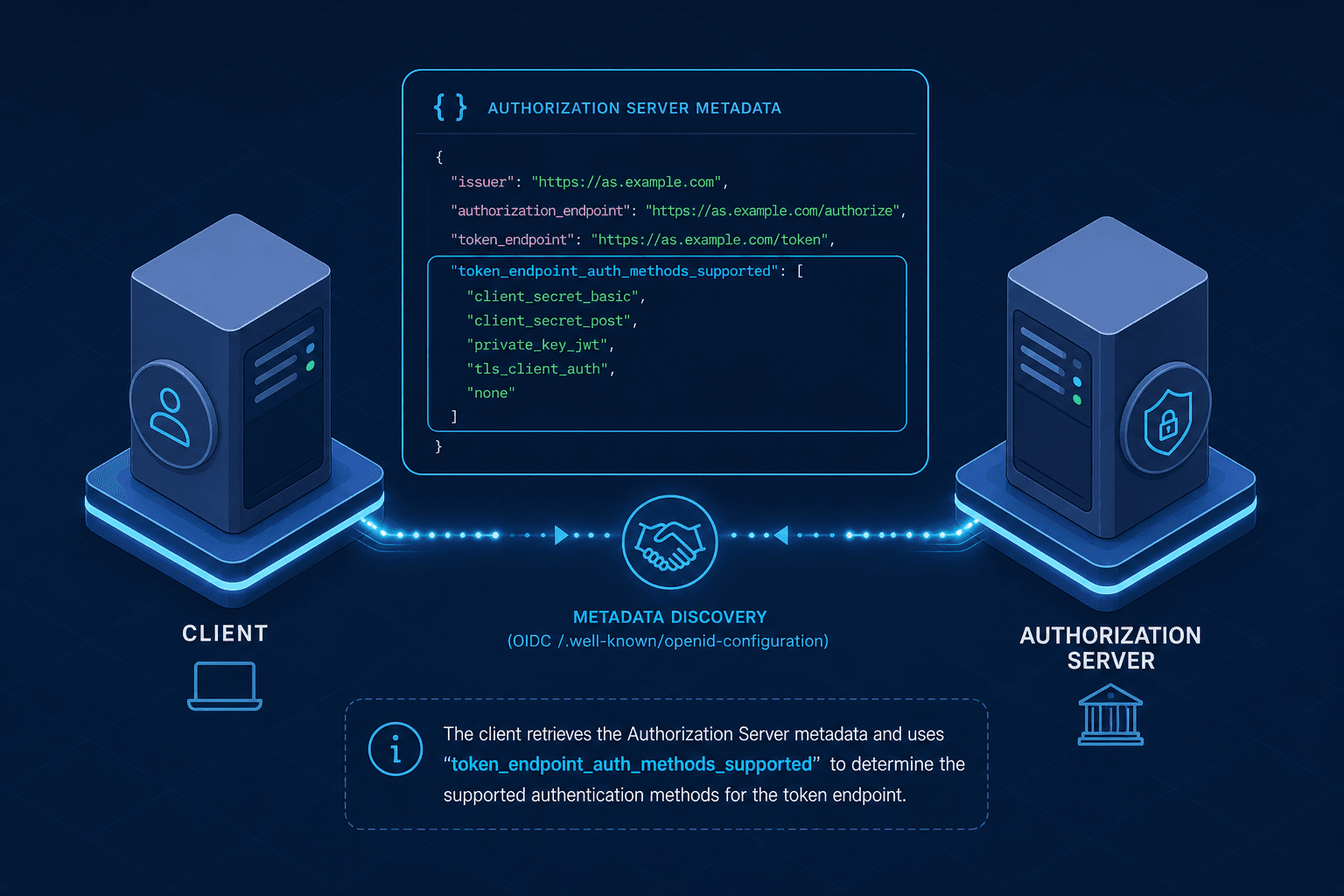
Part 6 · Authorization Server Metadata (RFC 8414)RFC 8414 defines how authorization servers publish supported authentication methods. This post explores the default client_secret_basic method and its alternatives.
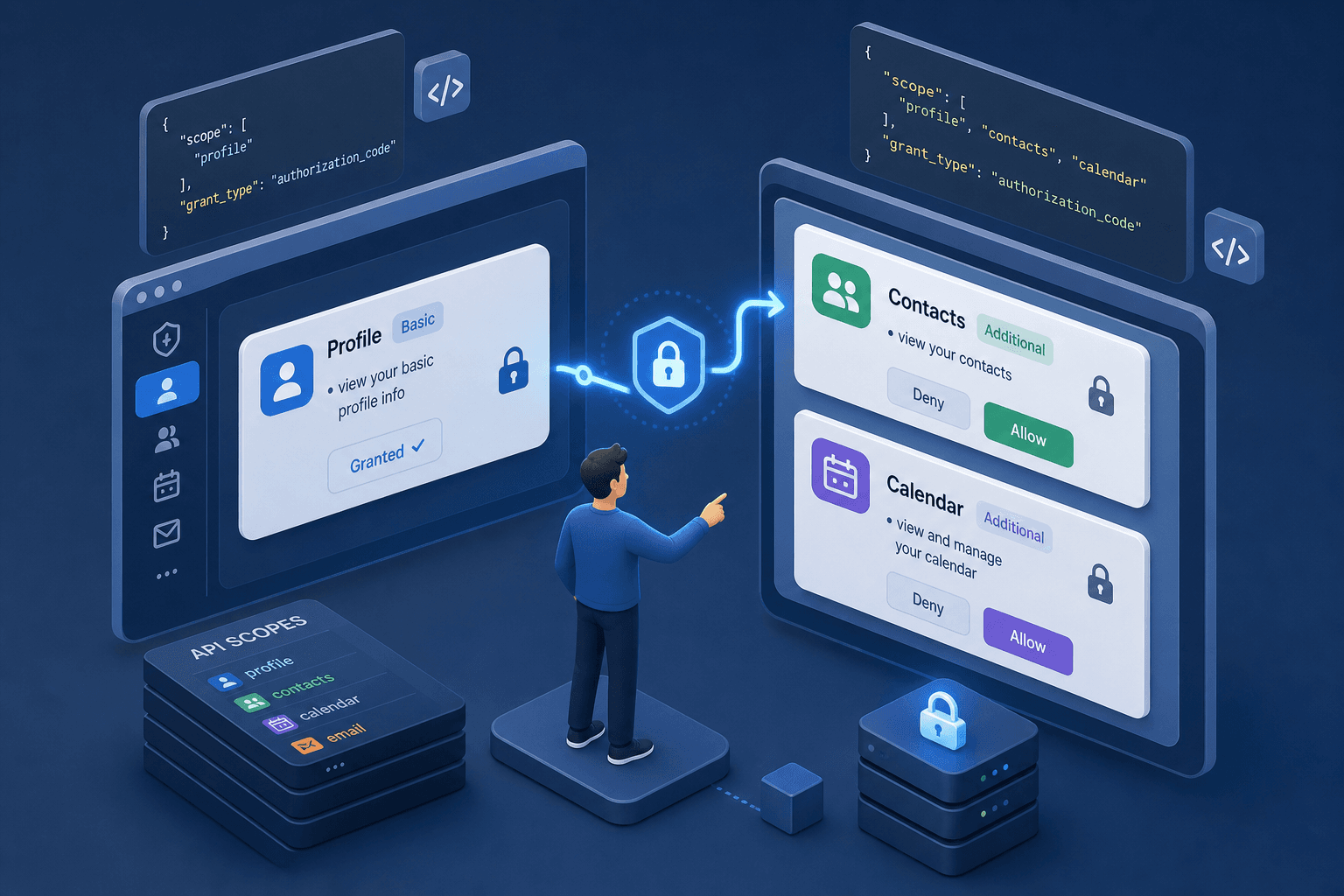
Part 4 · Authorization Server Metadata (RFC 8414)Learn how incremental authorization enhances the OAuth2 flow by requesting scopes progressively, optimizing scope management and consent UX.
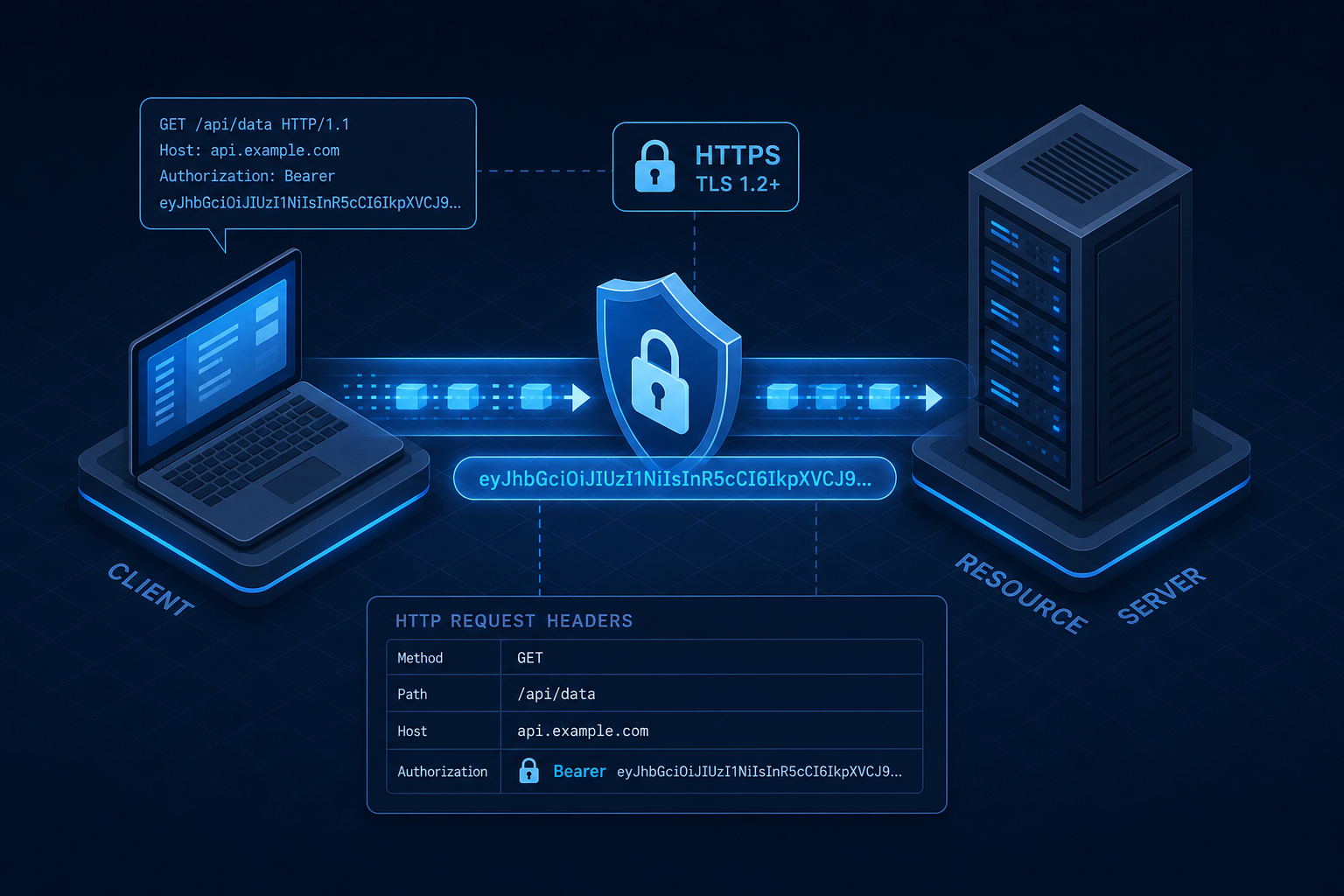
Part 7 · OAuth 2.0 SecurityLearn how to properly implement OAuth2 bearer tokens according to RFC 6750, including secure header usage and effective error handling strategies.
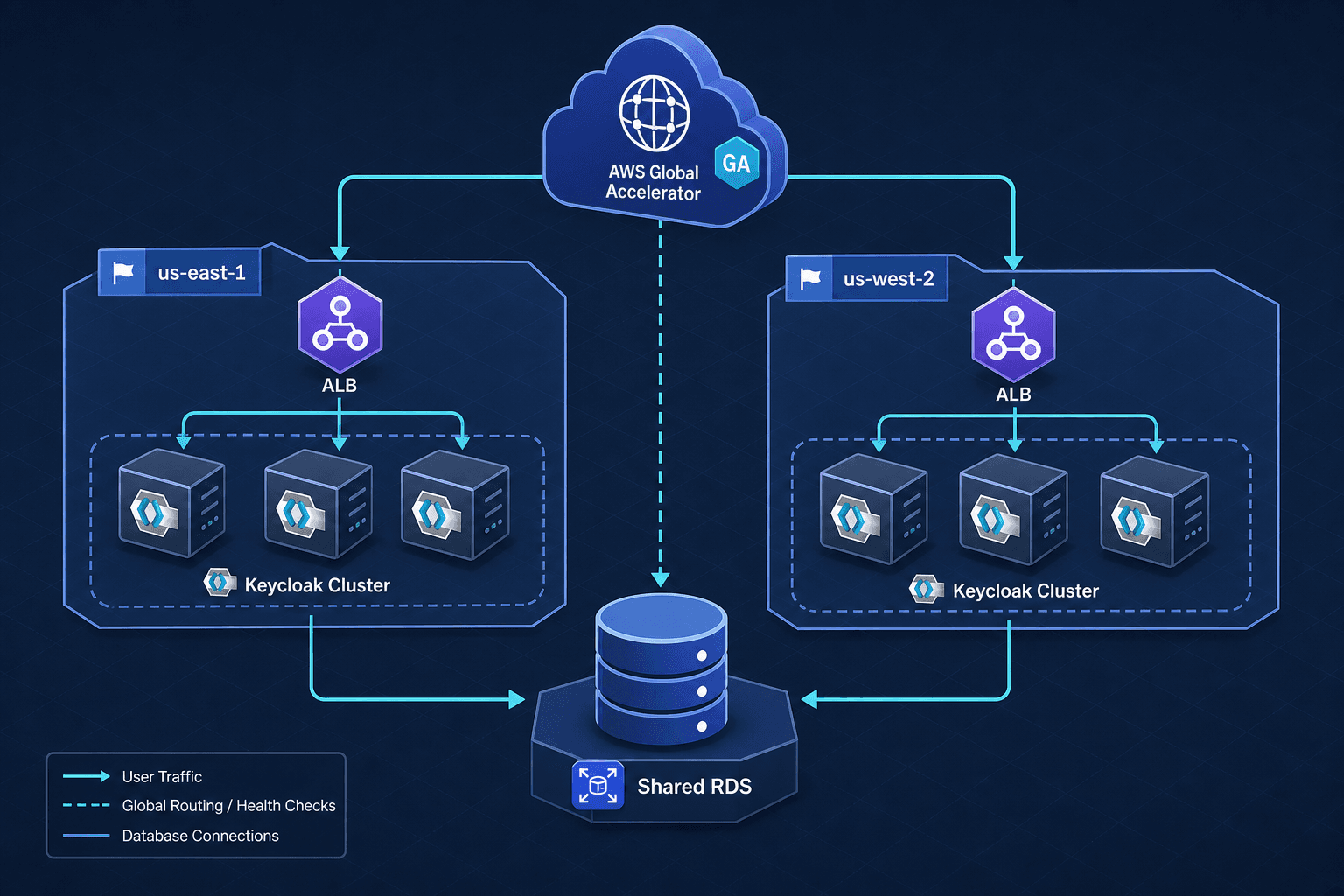
Part 2 · OAuth 2.0 & OIDC MasteryLearn how to implement a high-availability IAM solution across multiple regions using Keycloak and AWS Global Accelerator to ensure robust disaster recovery.
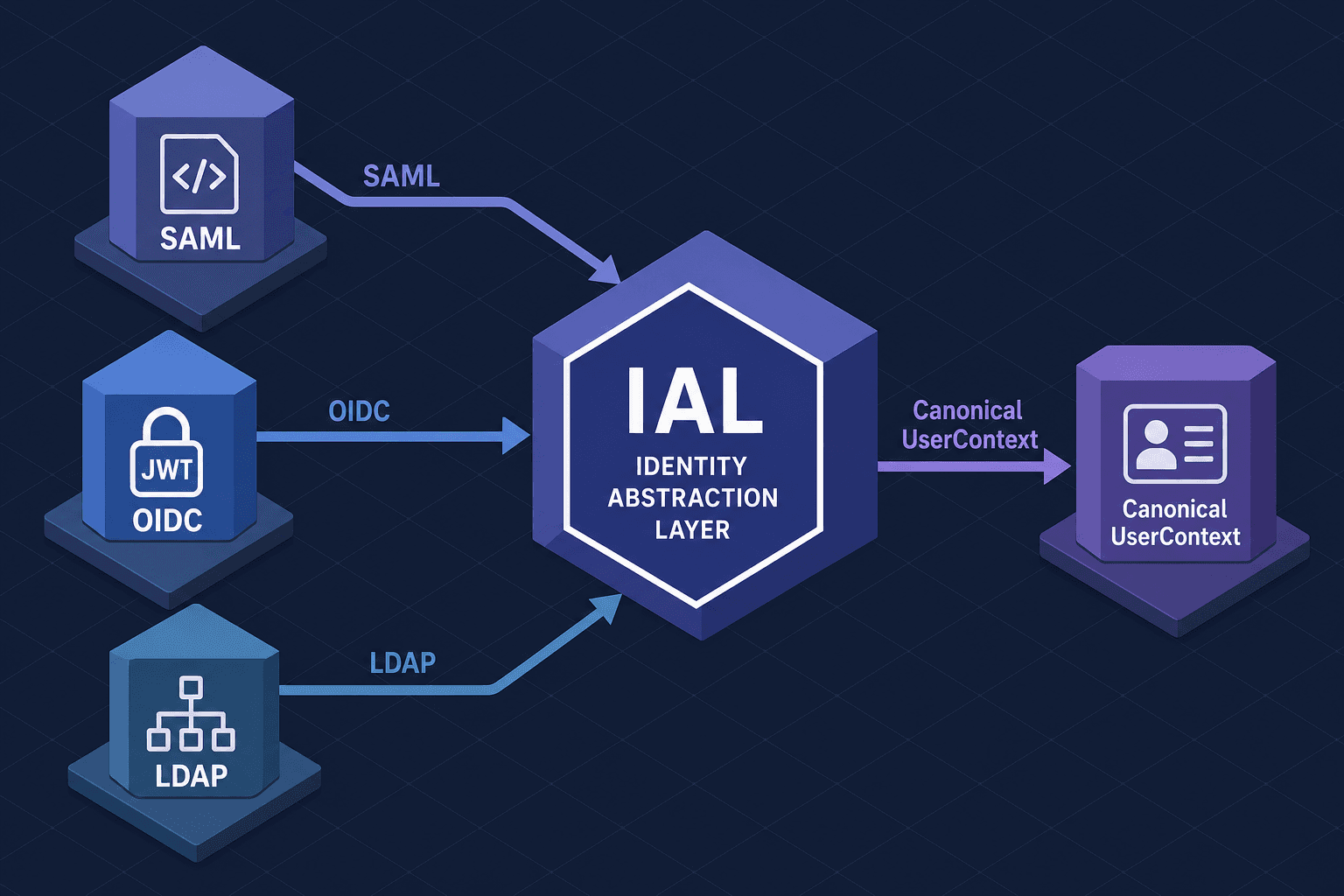
Part 5 · Multi-Cloud IdentityConstruct a decoupled authentication layer that normalizes identity data from OIDC, SAML, and LDAP into a unified internal model.
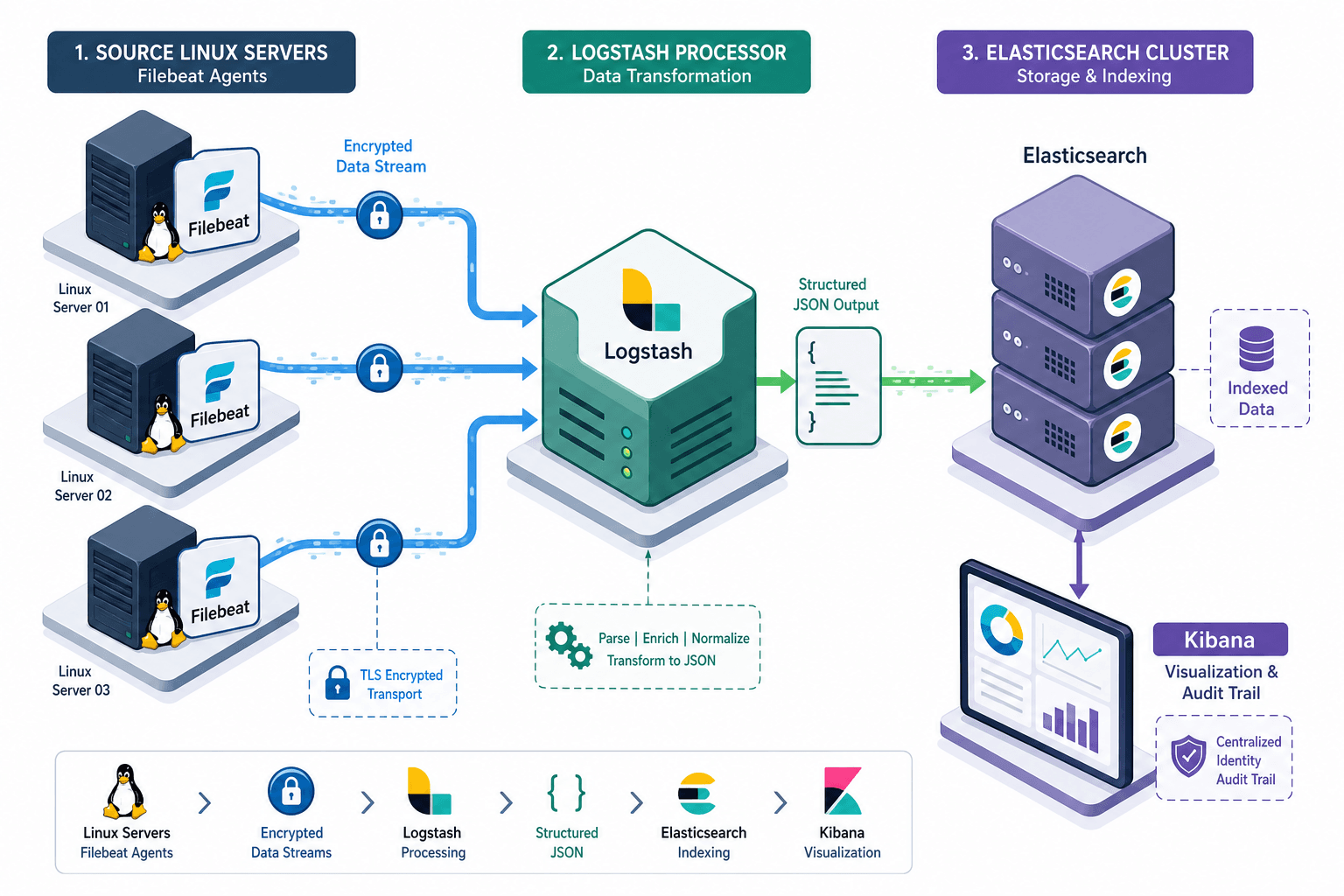
Part 2 · Identity Platform ArchitectureLearn how to implement a centralized audit log for identity events using the ELK stack to enhance security monitoring and meet audit compliance requirements.
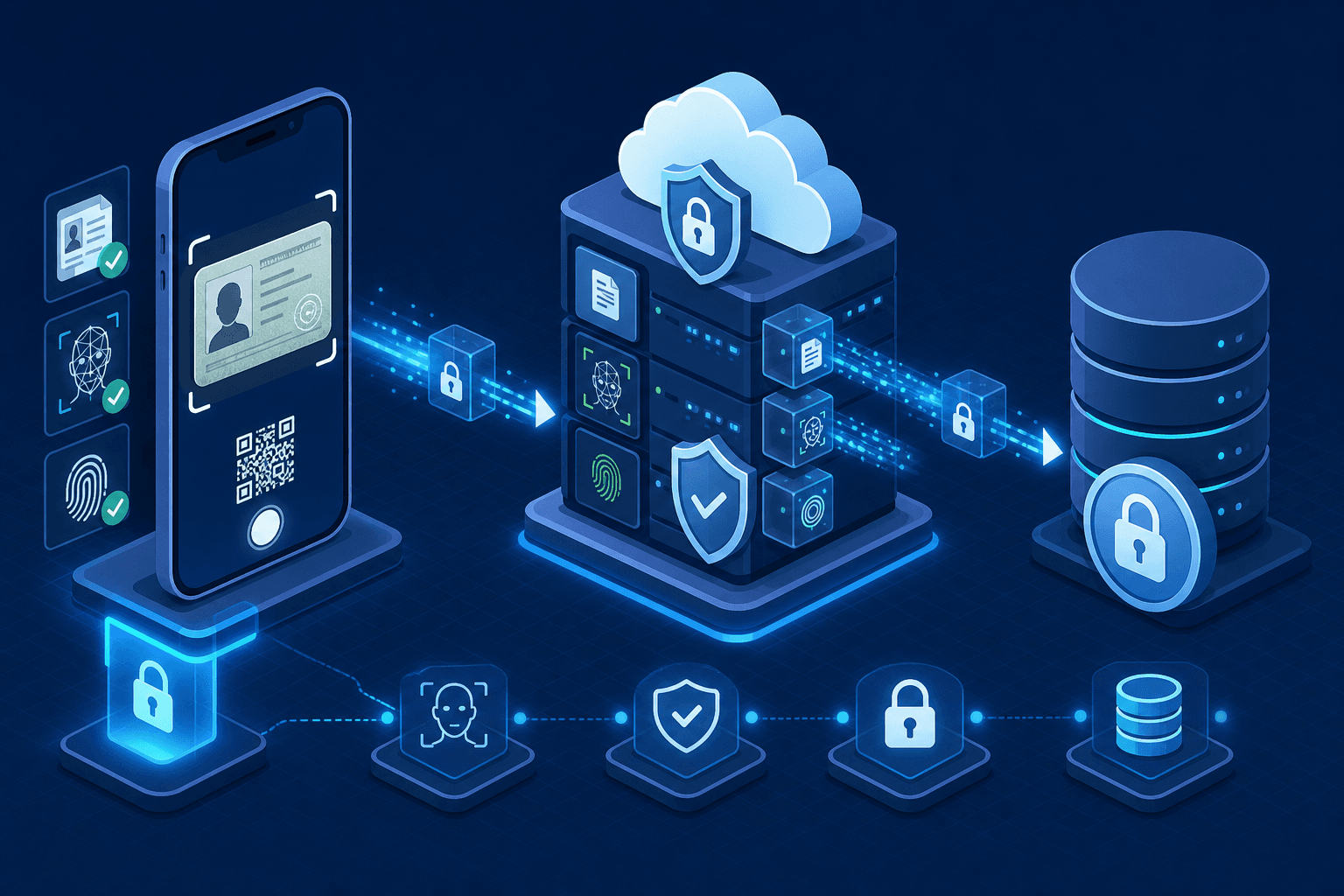
Part 2 · Identity Analytics & ObservabilityLearn how to build effective identity verification systems for KYC compliance, covering digital identity proofing, document checks, and biometric authentication.