Evaluating a Fine-Tune Against the Base Model
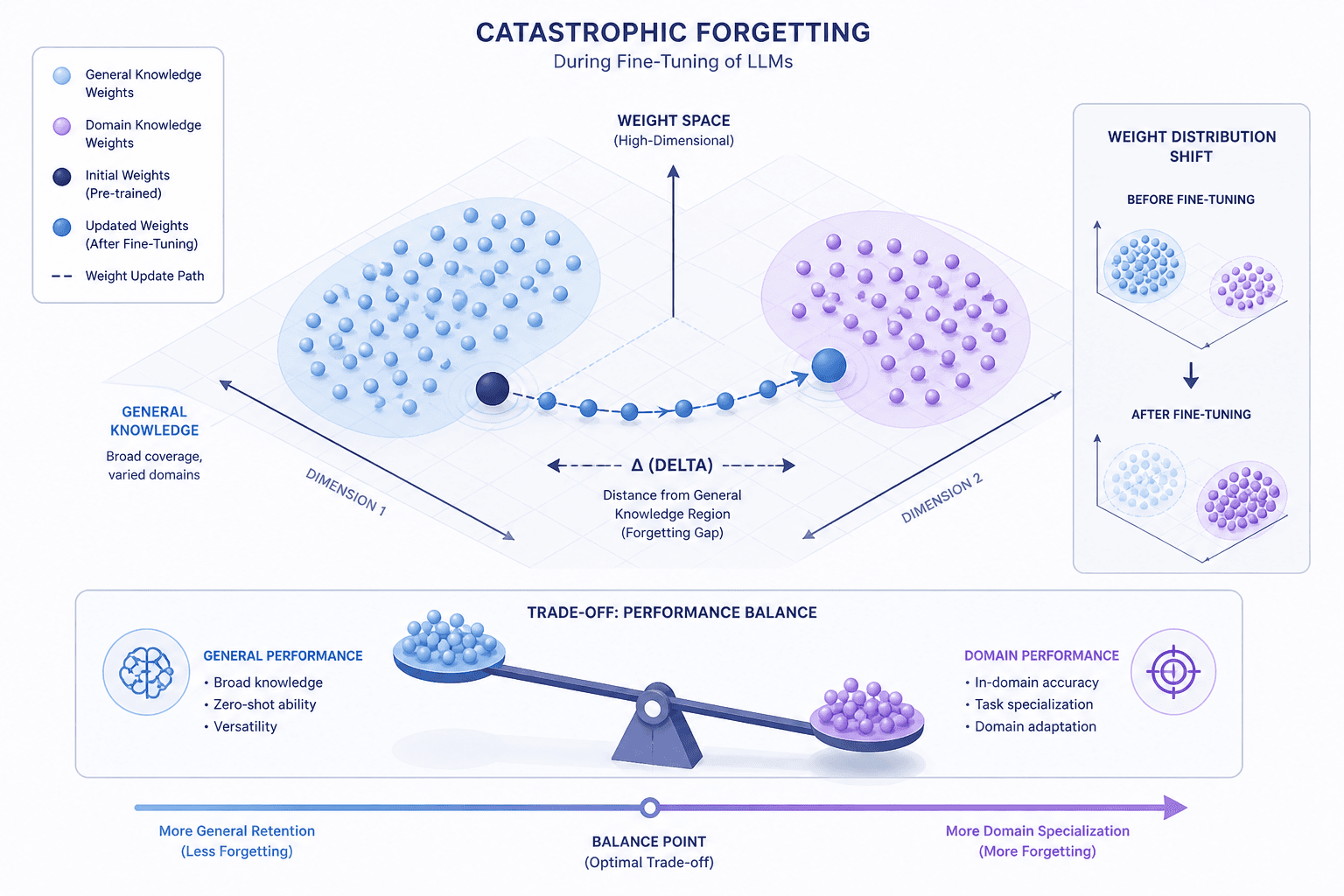
Learn how to rigorously evaluate fine-tuned LLMs against their base counterparts using held-out datasets and regression testing strategies.
Part 7 · Fine-Tuning LLMs Hands-OnTag
Read 40 articles on Machine Learning by Ashish Srivastava — practical guides covering implementation patterns, security, and production lessons.
40 posts · page 2 of 2
Learn how to rigorously evaluate fine-tuned LLMs against their base counterparts using held-out datasets and regression testing strategies.
Part 7 · Fine-Tuning LLMs Hands-OnFocus on the hyperparameters that drive model performance: learning rate, batch size, and epochs. A guide for ML engineers.
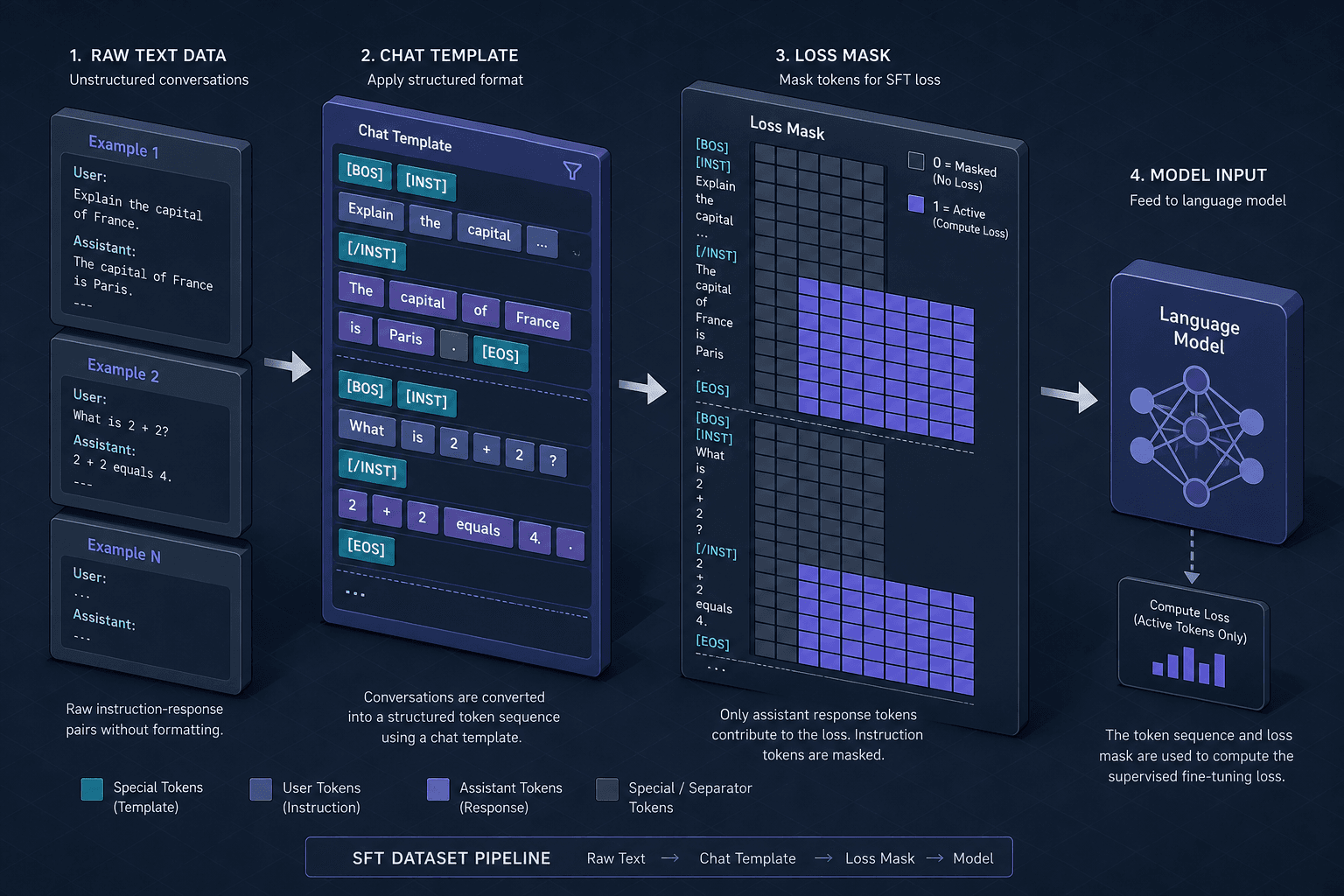
Part 6 · Fine-Tuning LLMs Hands-OnLearn how to build effective supervised fine-tuning datasets. This guide covers instruction formatting, chat templates, loss masking techniques, and ensuring data quality for LLM training.
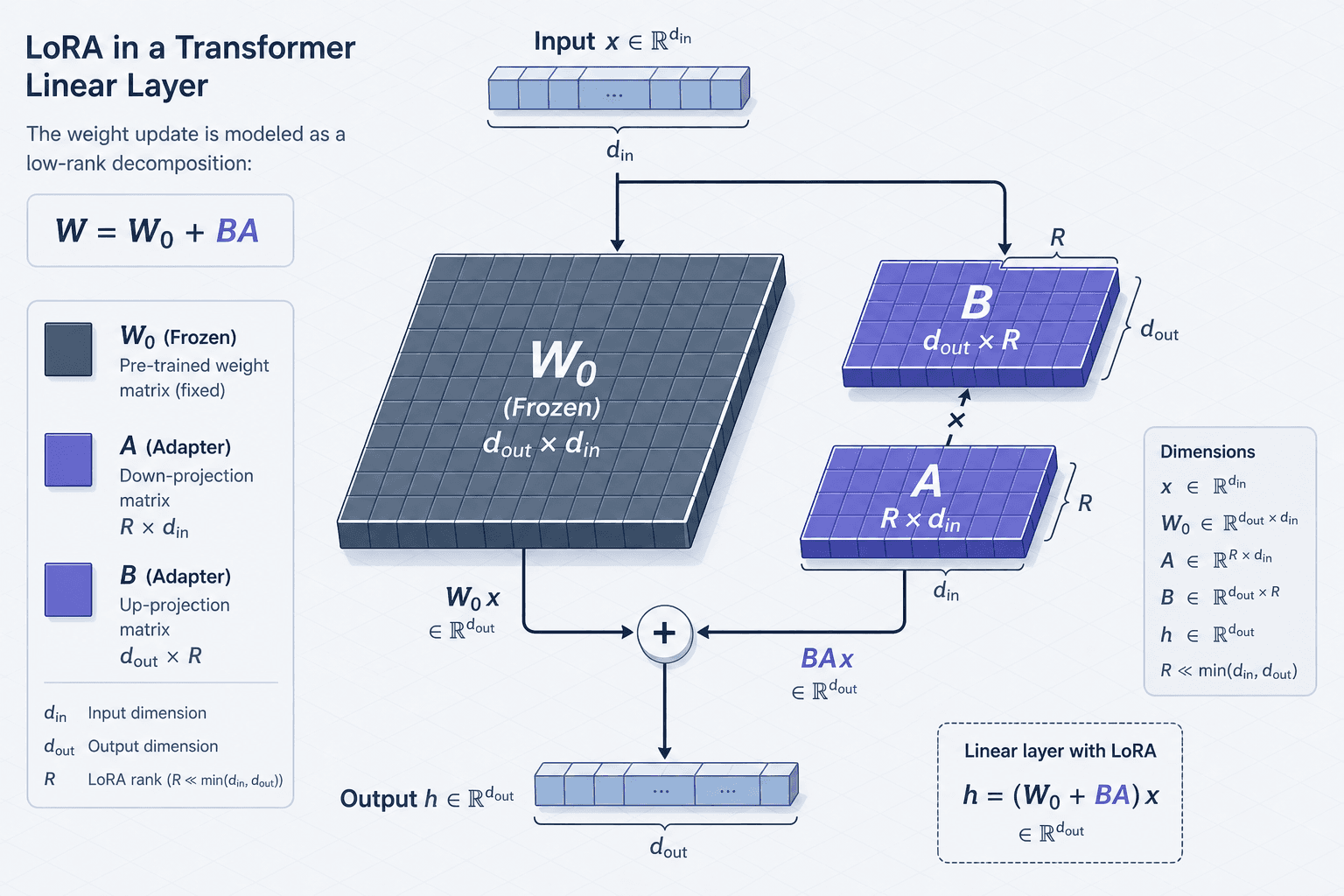
Part 5 · Fine-Tuning LLMs Hands-OnUnderstand the mechanics of LoRA fine-tuning. This guide breaks down rank, alpha, and target modules to help ML engineers optimize their LLM training workflows.
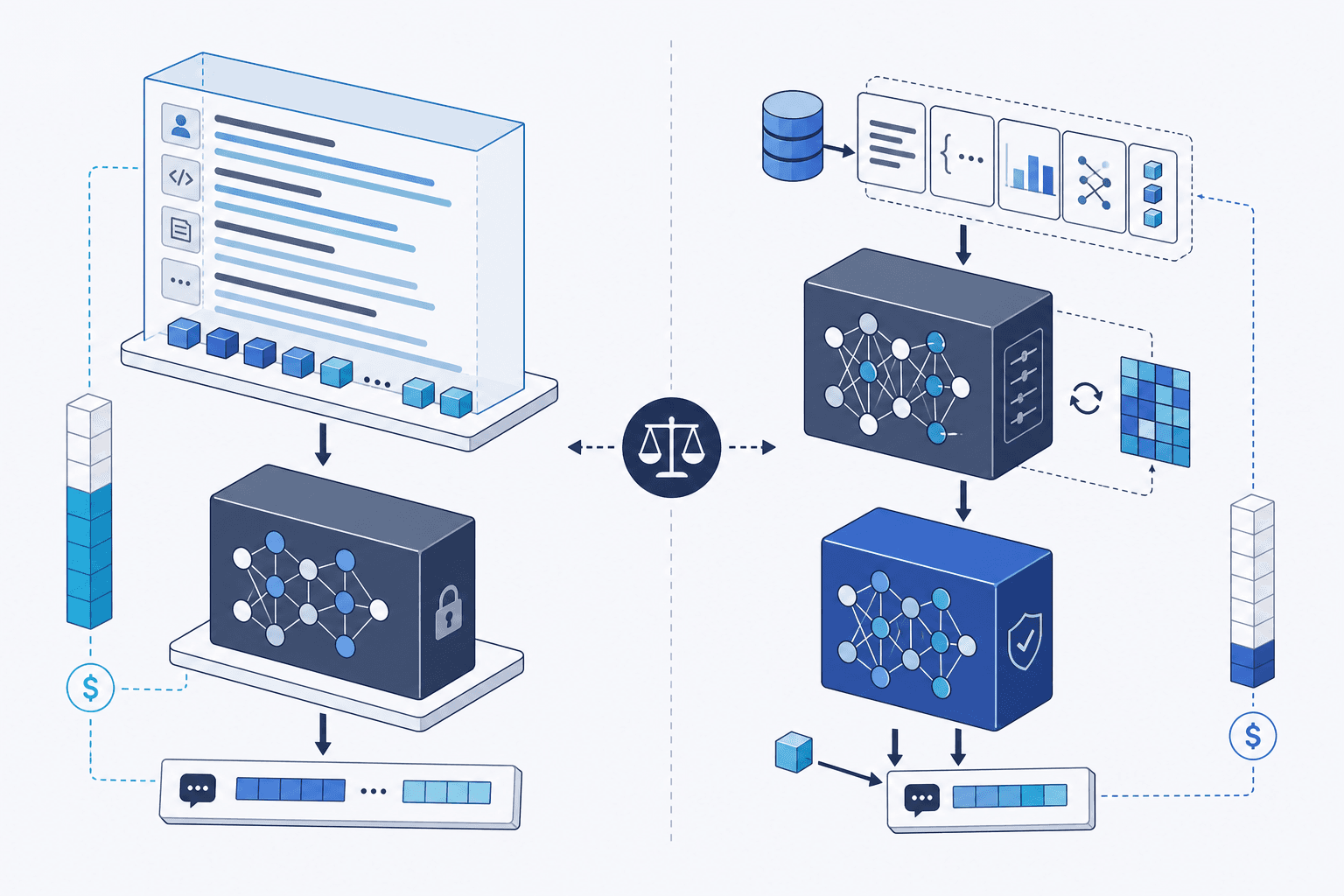
Part 3 · Fine-Tuning LLMs Hands-OnShould you fine-tune? This decision framework helps ML engineers and engineering managers choose between fine-tuning and prompting based on cost, data, and performance needs.
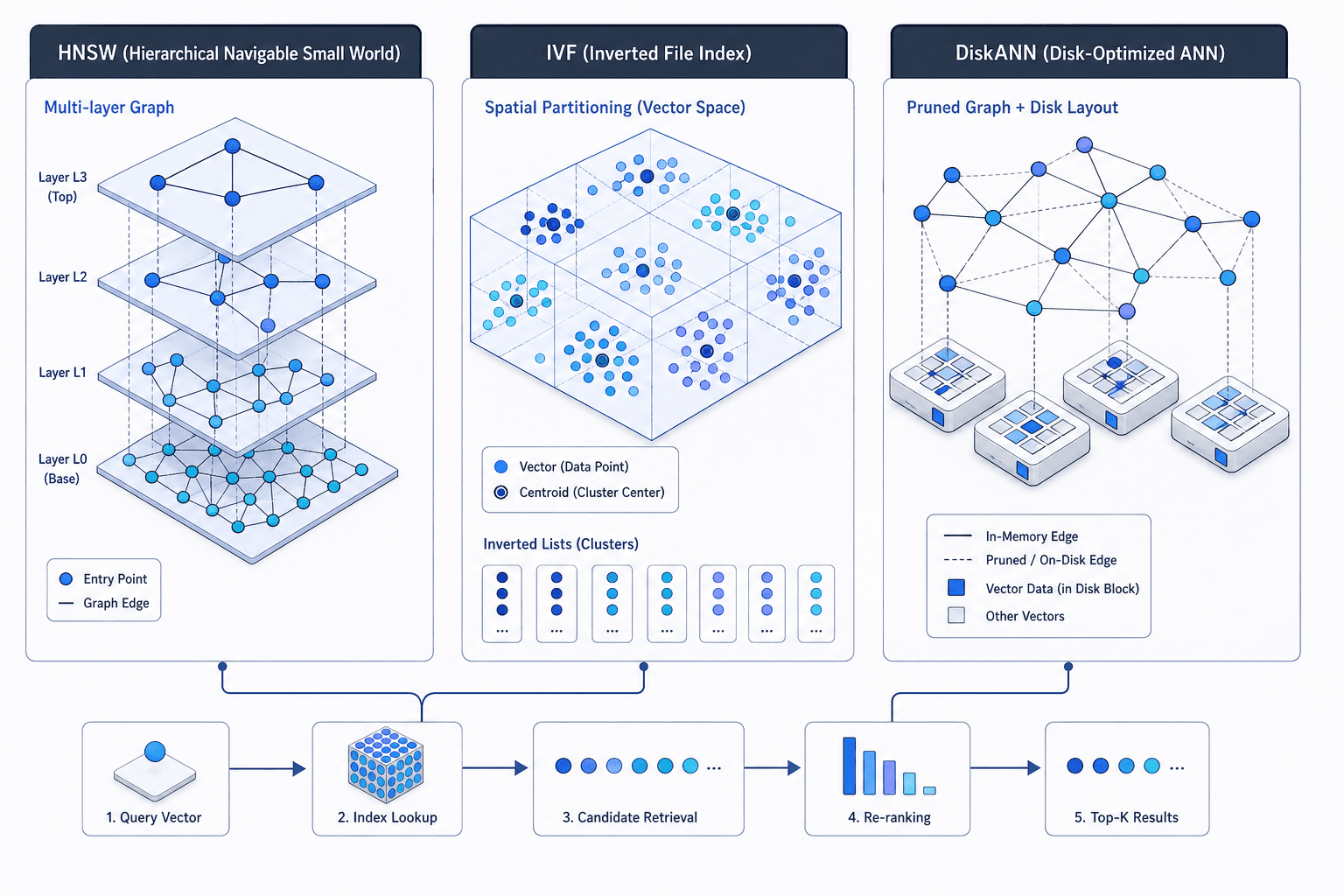
Part 1 · Fine-Tuning LLMs Hands-OnExplore the trade-offs between HNSW, IVF, and DiskANN indexes. Learn how recall, latency, and quantization impact vector search performance in production systems.
Part 2 · Retrieval EngineeringExplore the mechanics of embeddings, vector spaces, and anisotropy to understand how meaning is encoded for retrieval engineering.
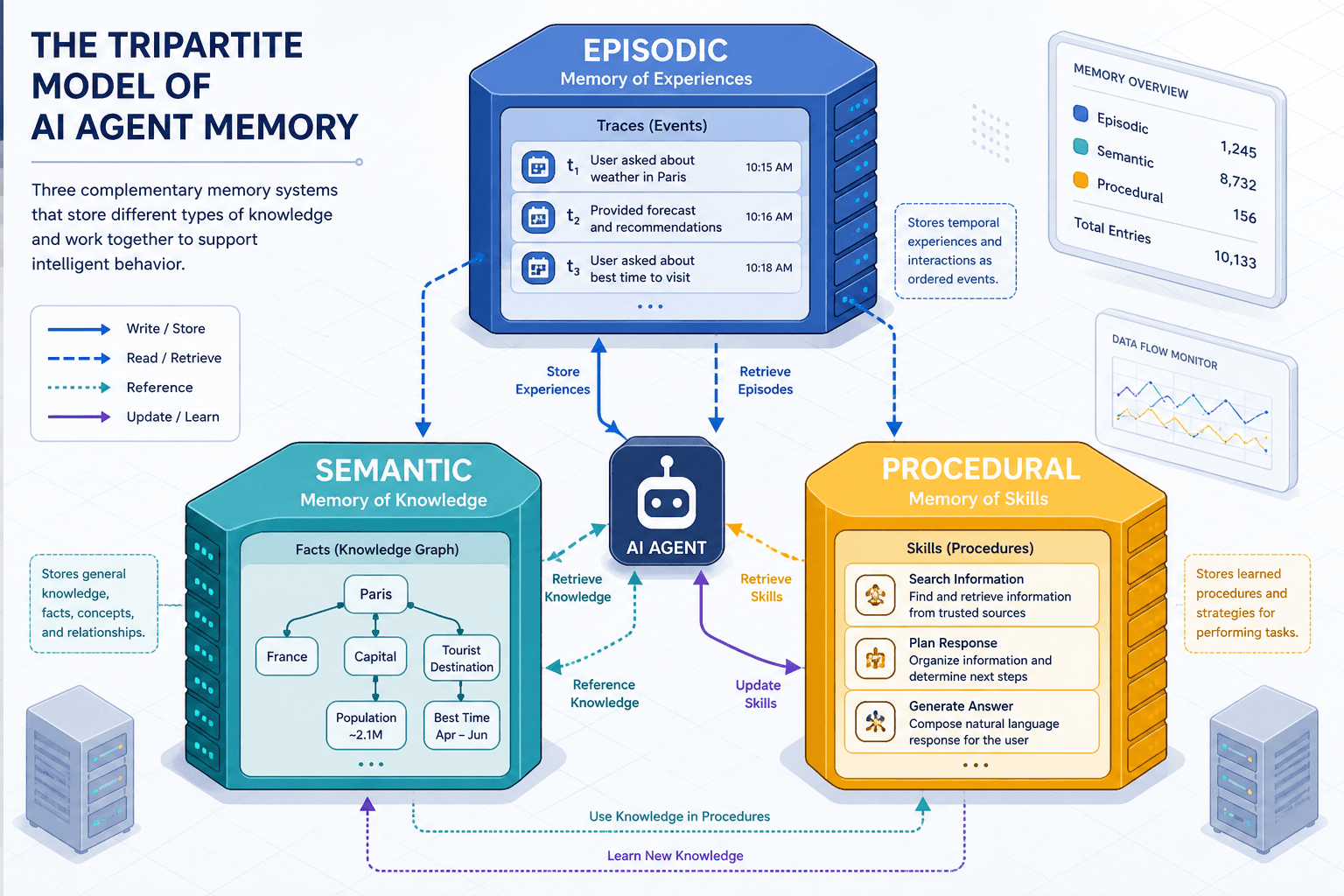
Part 1 · Retrieval EngineeringA technical breakdown of episodic, semantic, and procedural memory structures in AI agents, helping developers build more effective long-term memory systems.
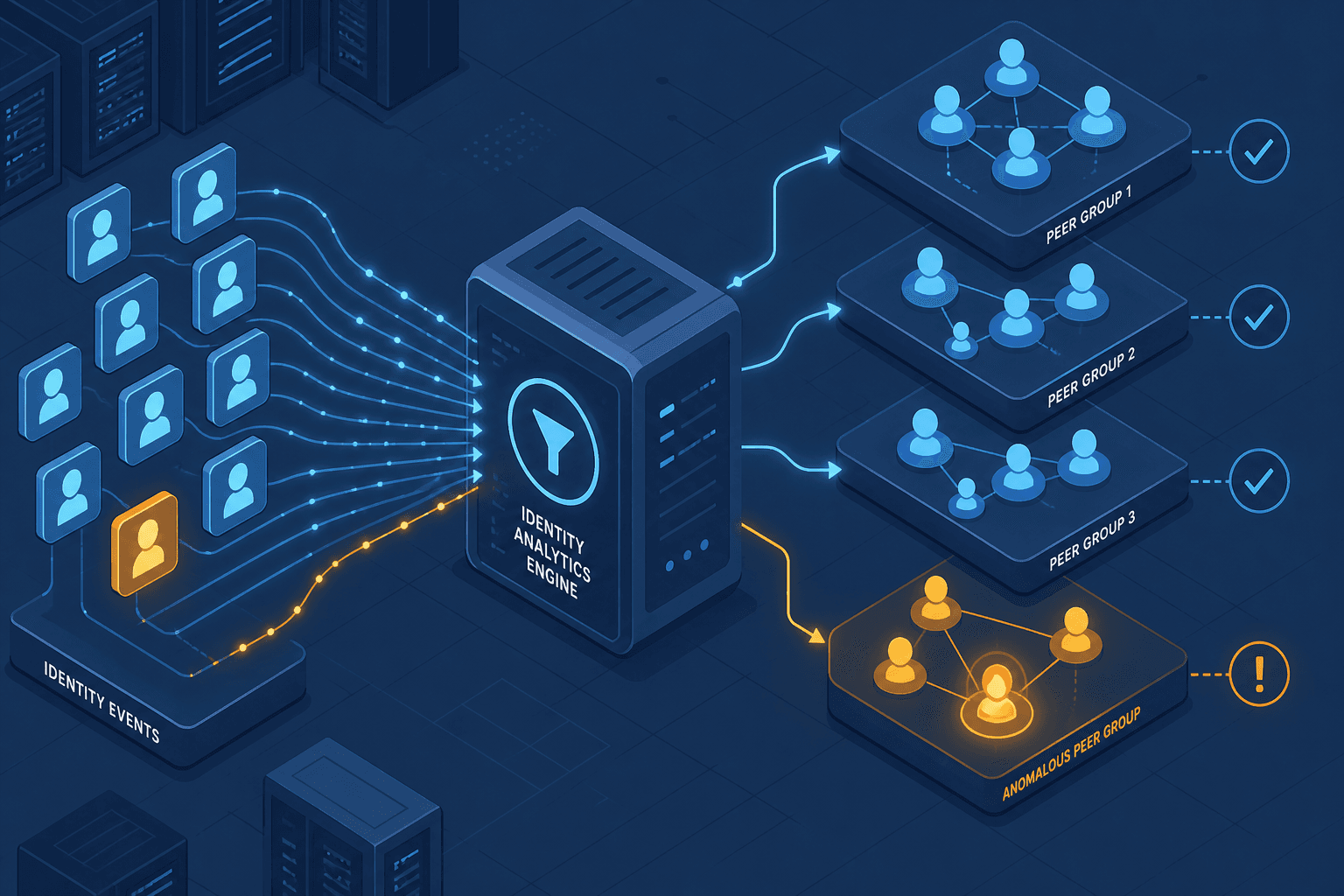
Part 3 · Agent Memory SystemsExplore which algorithms truly deliver value in identity analytics, from anomaly detection to peer group analysis, specifically addressing the challenges of imbalanced data.
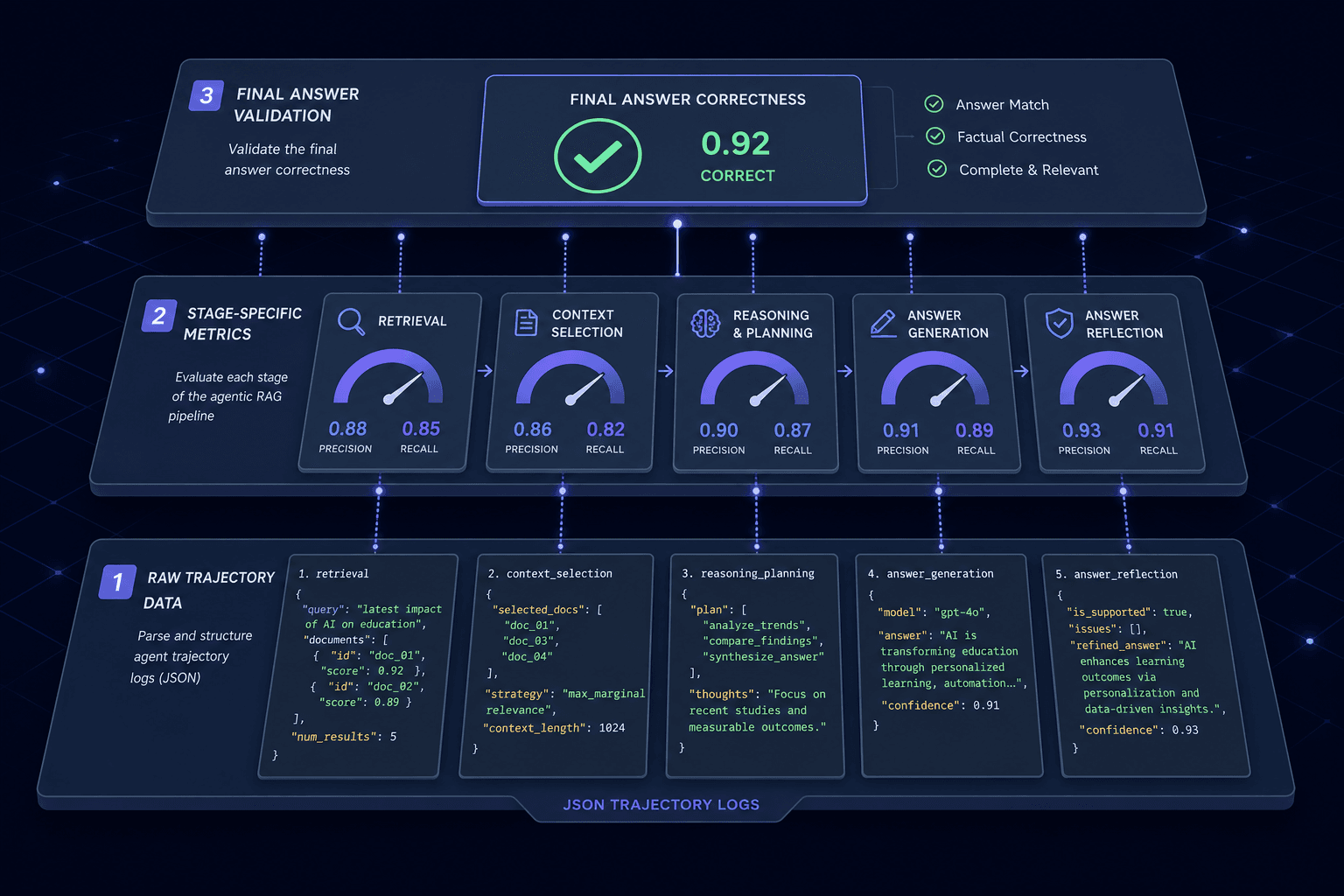
Part 3 · AI and Identity SecurityExplore how to evaluate agentic RAG systems effectively. This guide covers trajectory evaluation, Ragas integration, and stage metrics for ML engineers.
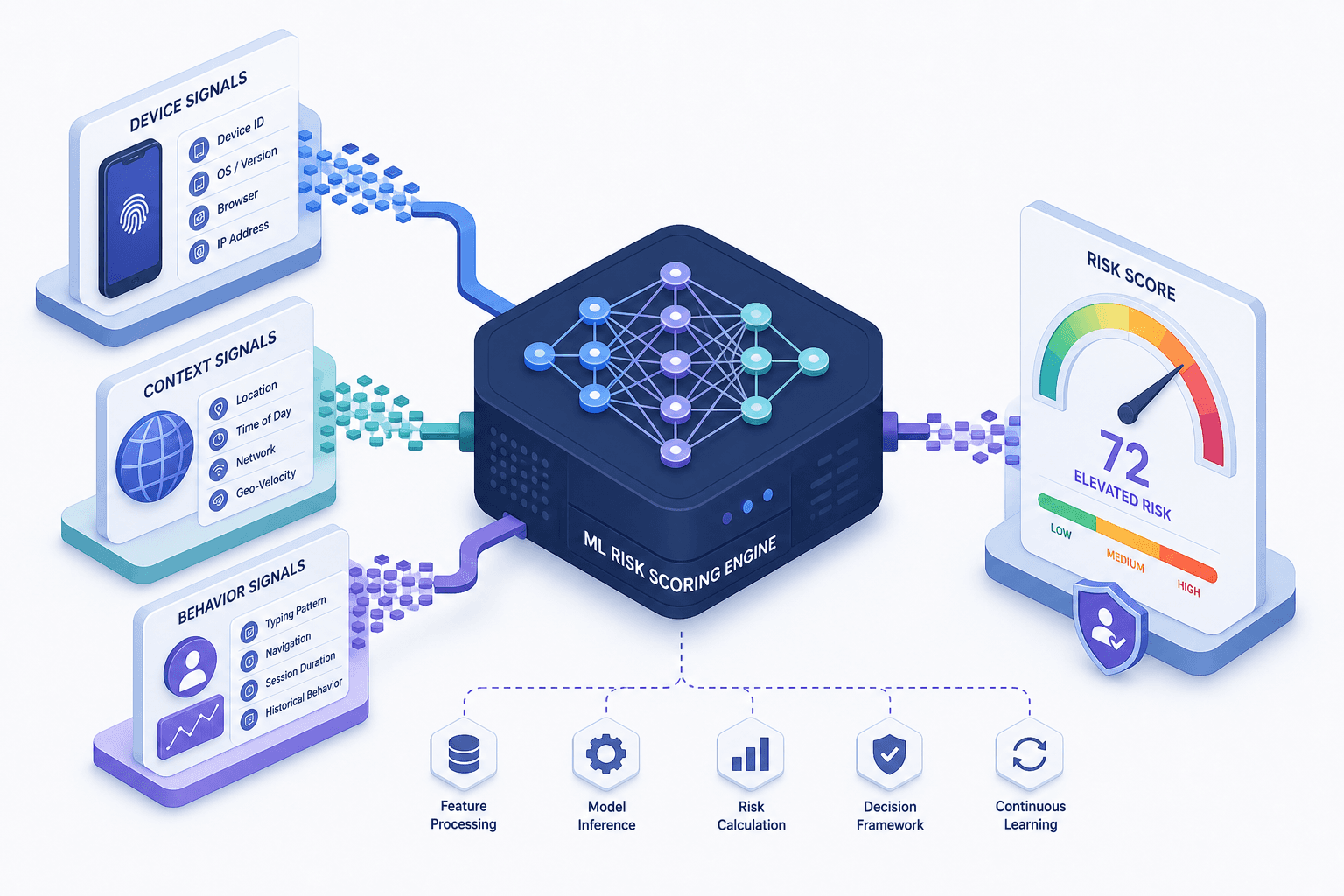
Part 6 · Agentic RAG PatternsLearn how to implement ML-driven risk scoring for adaptive authentication, improving security while reducing friction for legitimate users.
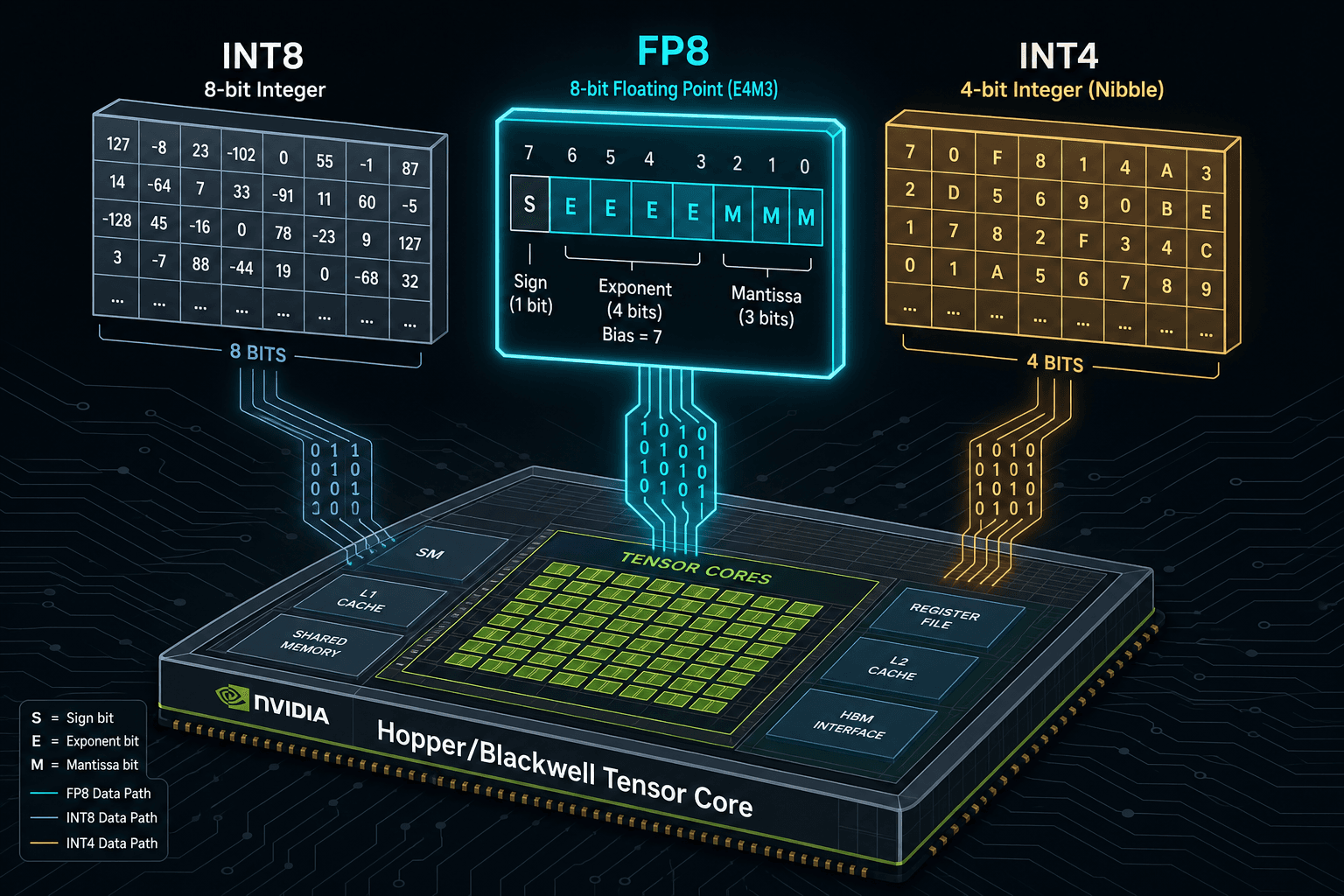
Part 2 · AI and Identity SecurityExplore the trade-offs between INT8, FP8, and INT4 quantization formats. Learn which precision level suits your ML workloads and hardware architecture.
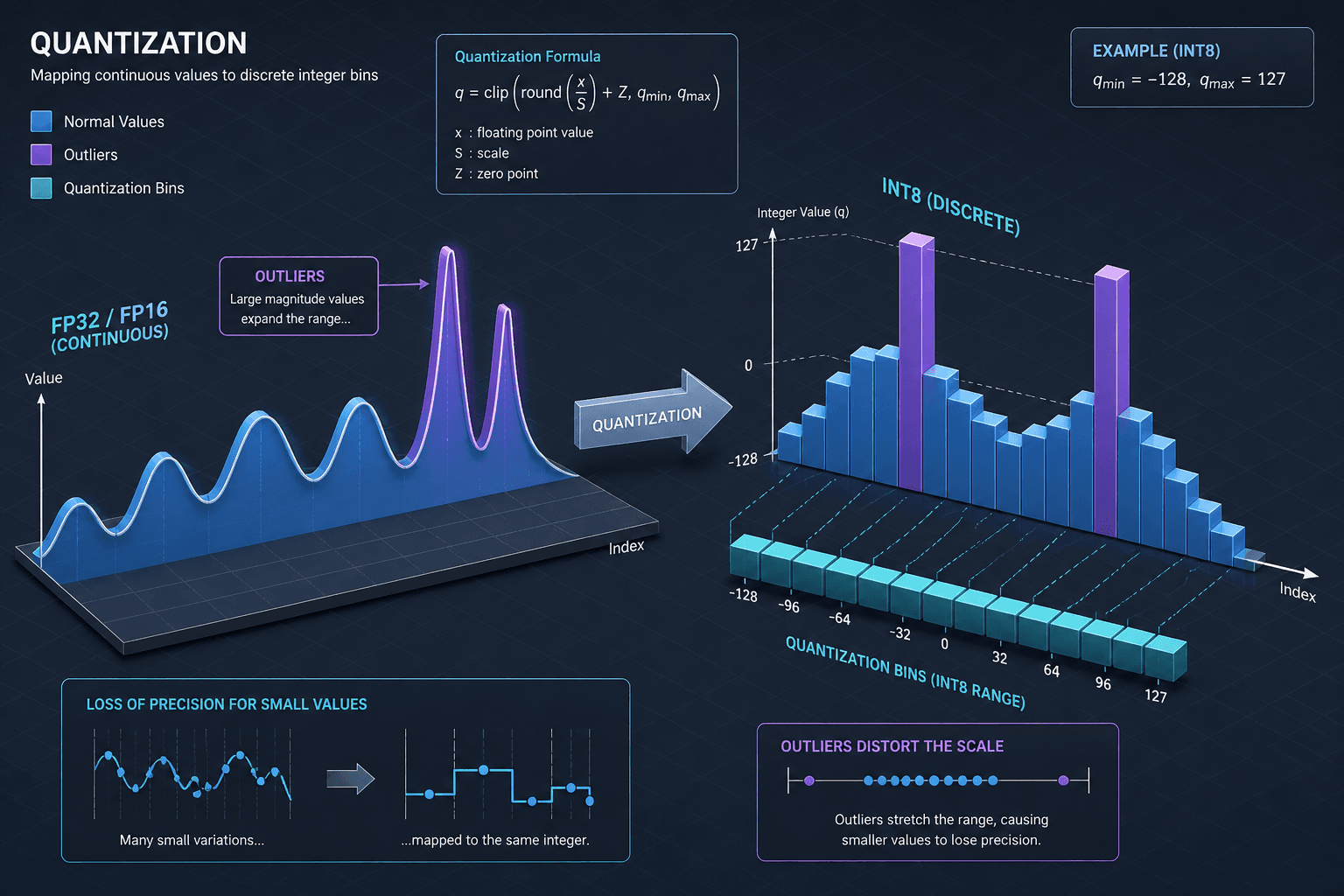
Part 2 · Quantization in PracticeExplore the mechanics of quantization, focusing on precision, dynamic range, and outlier management in fp16 and int8 formats for ML engineers.
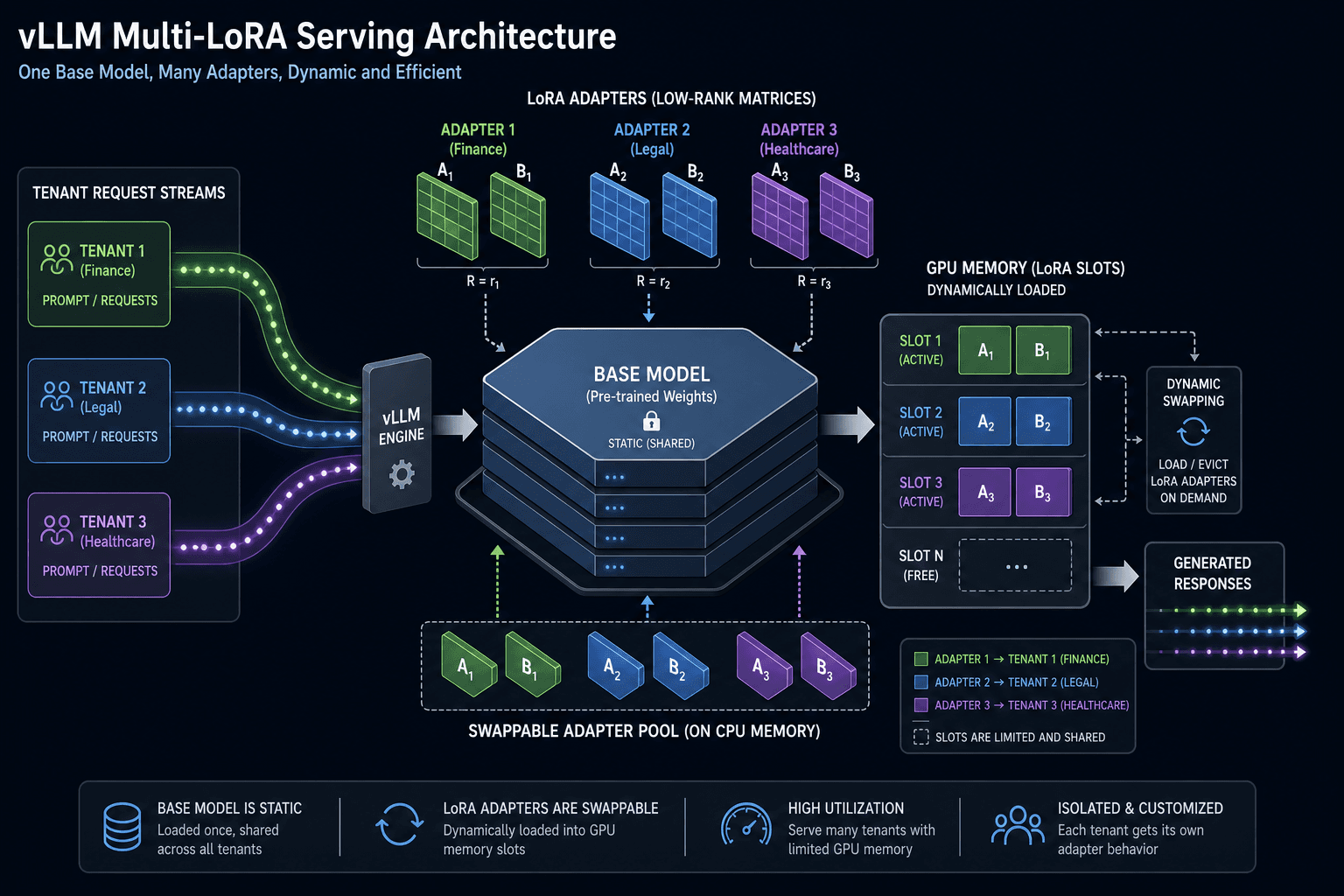
Part 1 · Quantization in PracticeA technical walkthrough on configuring vLLM to handle multiple LoRA adapters at serve time, optimizing for multi-tenant ML workloads.
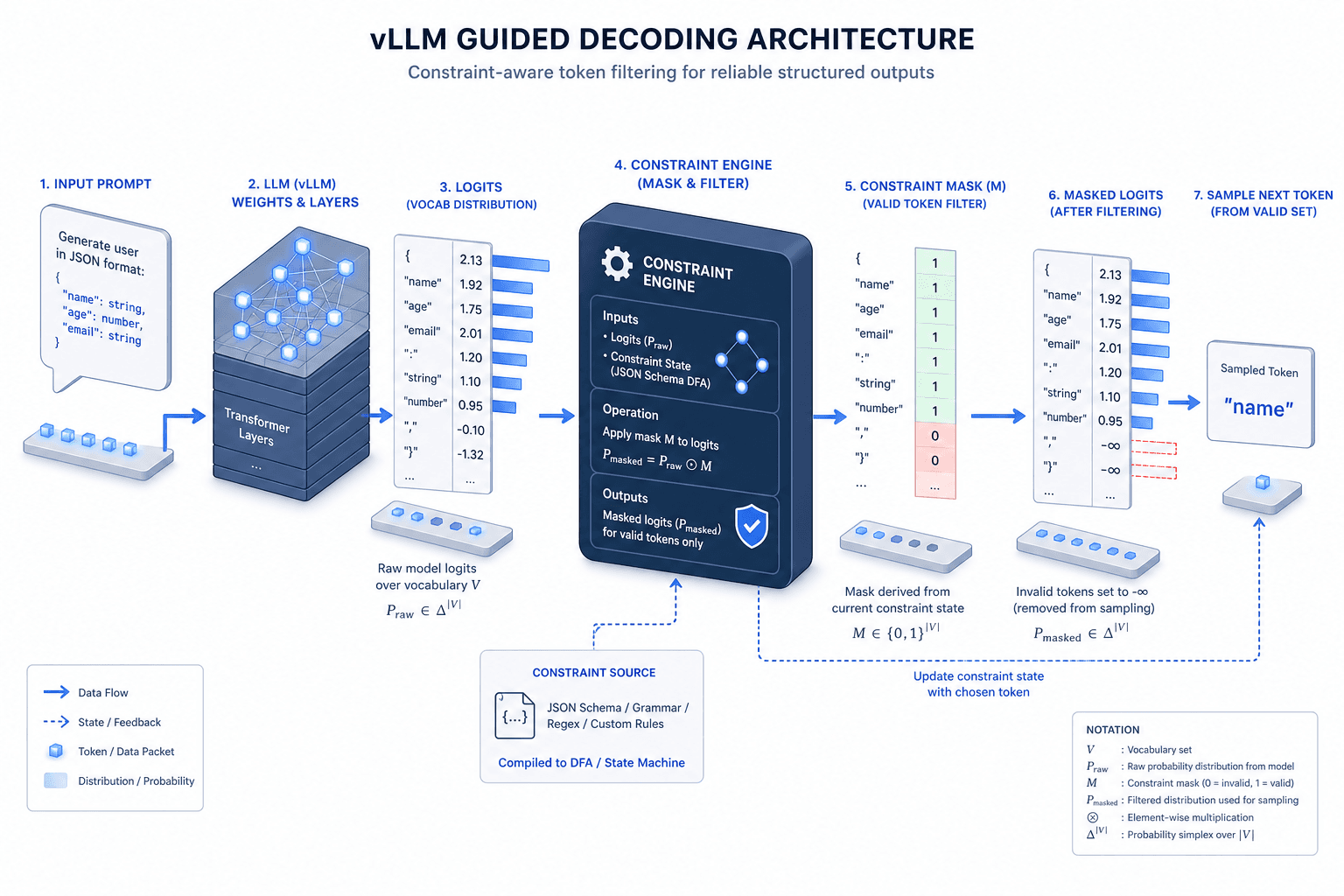
Part 7 · Production vLLMLearn how to enforce strict output formats in vLLM using guided decoding, JSON schemas, and grammar constraints for production-grade reliability.
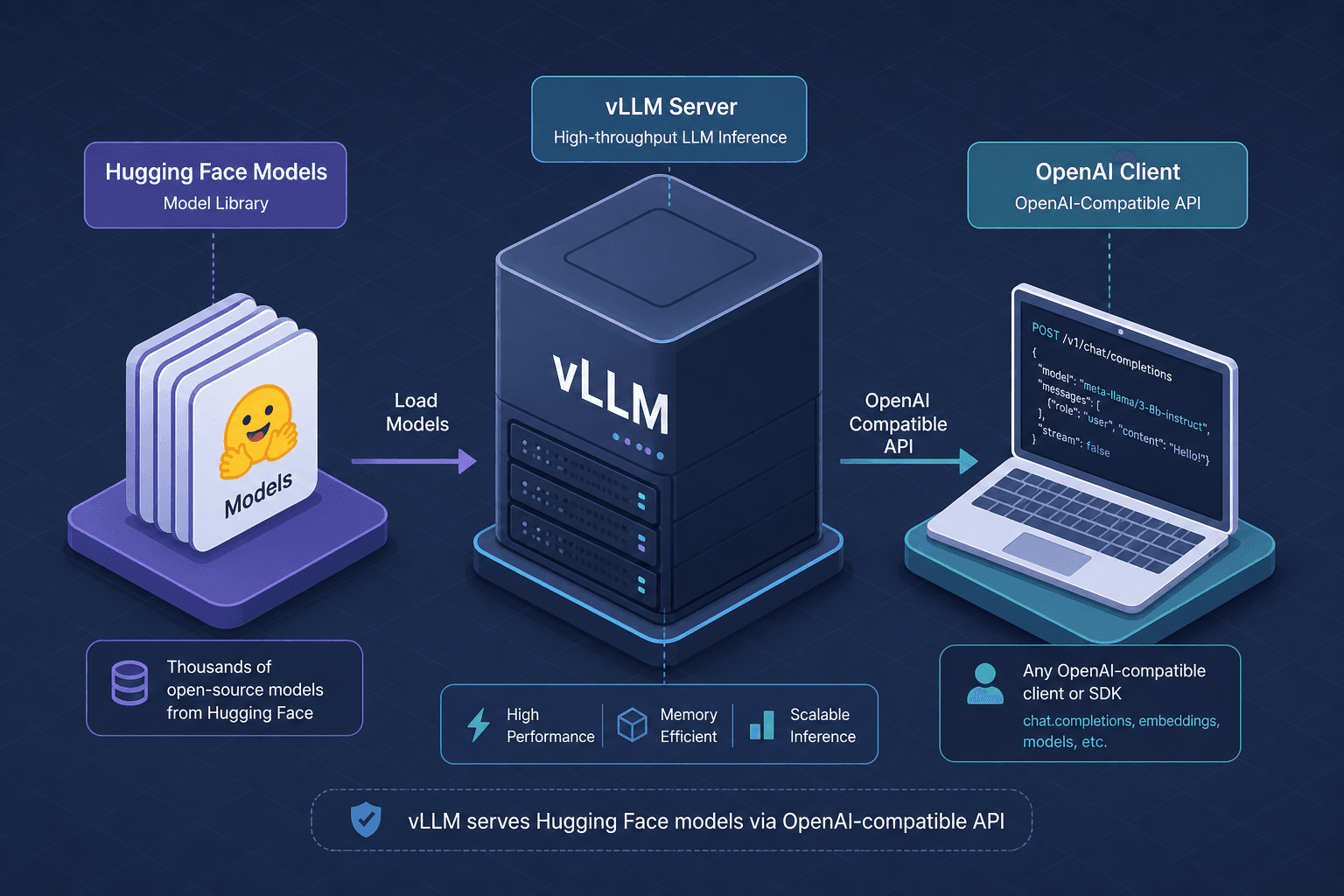
Part 6 · Production vLLMA practical guide to deploying Hugging Face models via vLLM's OpenAI-compatible API, enabling high-throughput inference with minimal setup.
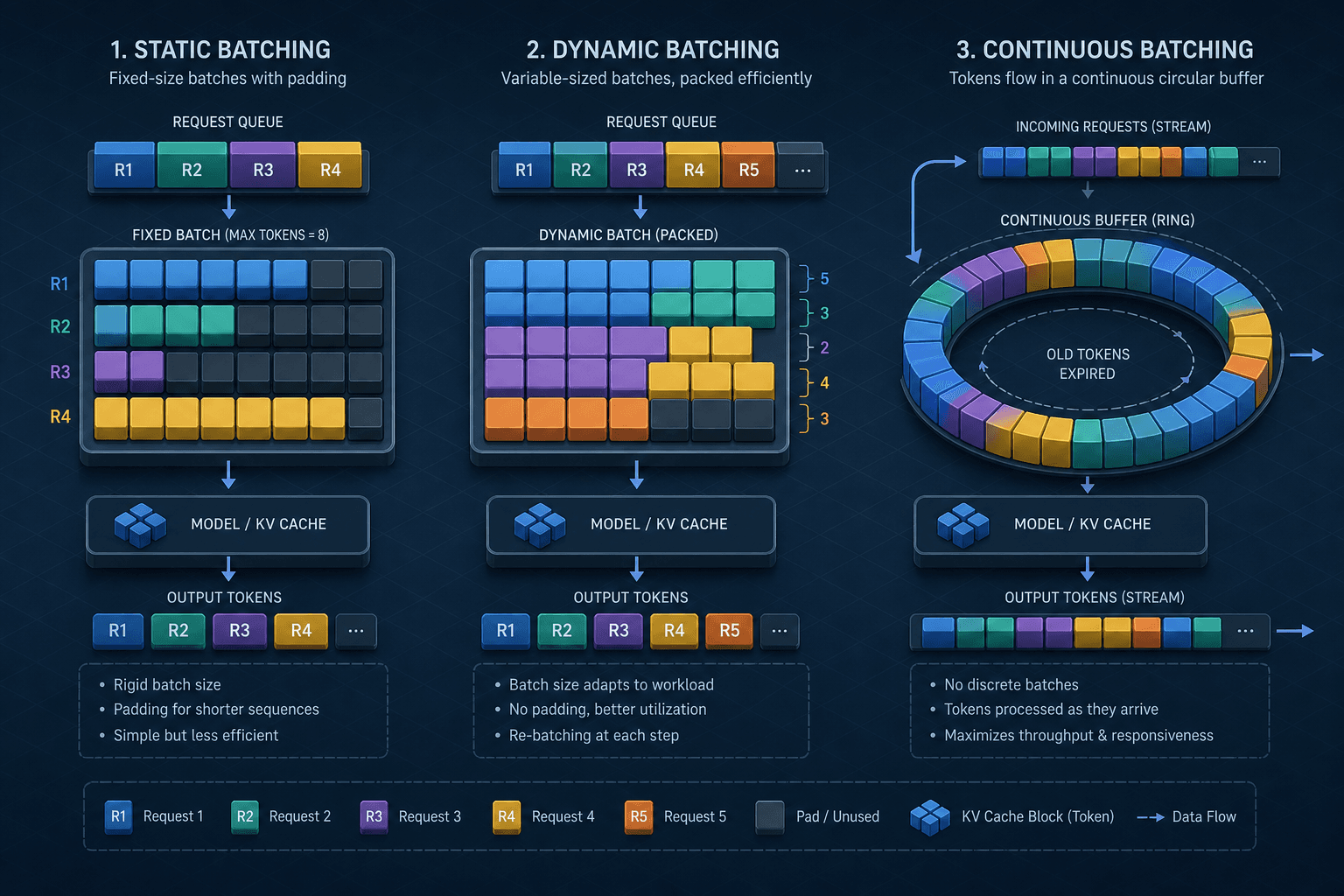
Part 2 · Production vLLMExplore how static, dynamic, and continuous batching strategies impact LLM inference performance, focusing on throughput optimization and latency reduction.
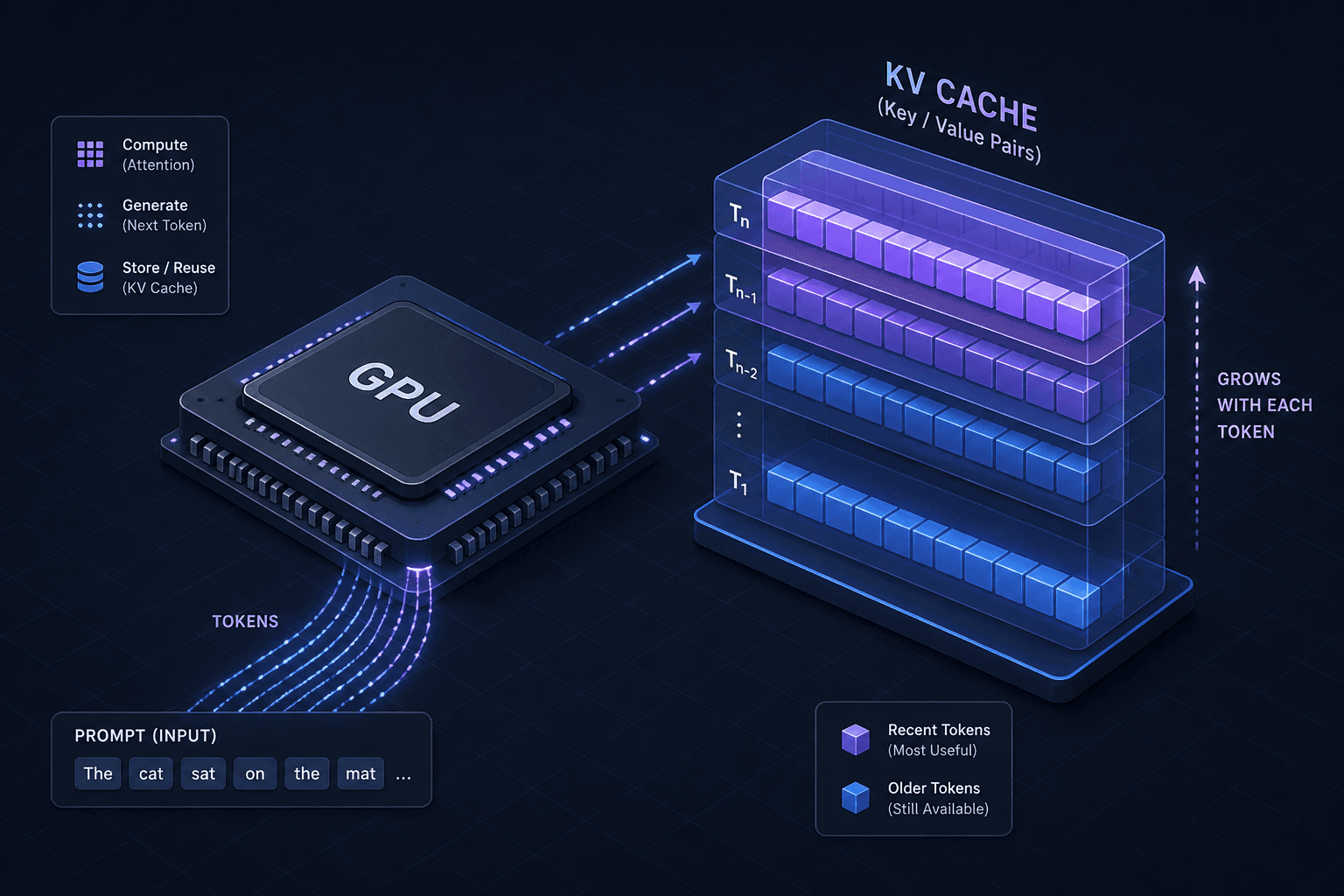
Part 5 · LLM Inference from ScratchUnderstand how the KV cache accelerates LLM inference by storing attention states, reducing redundant computation, and boosting concurrency efficiency.
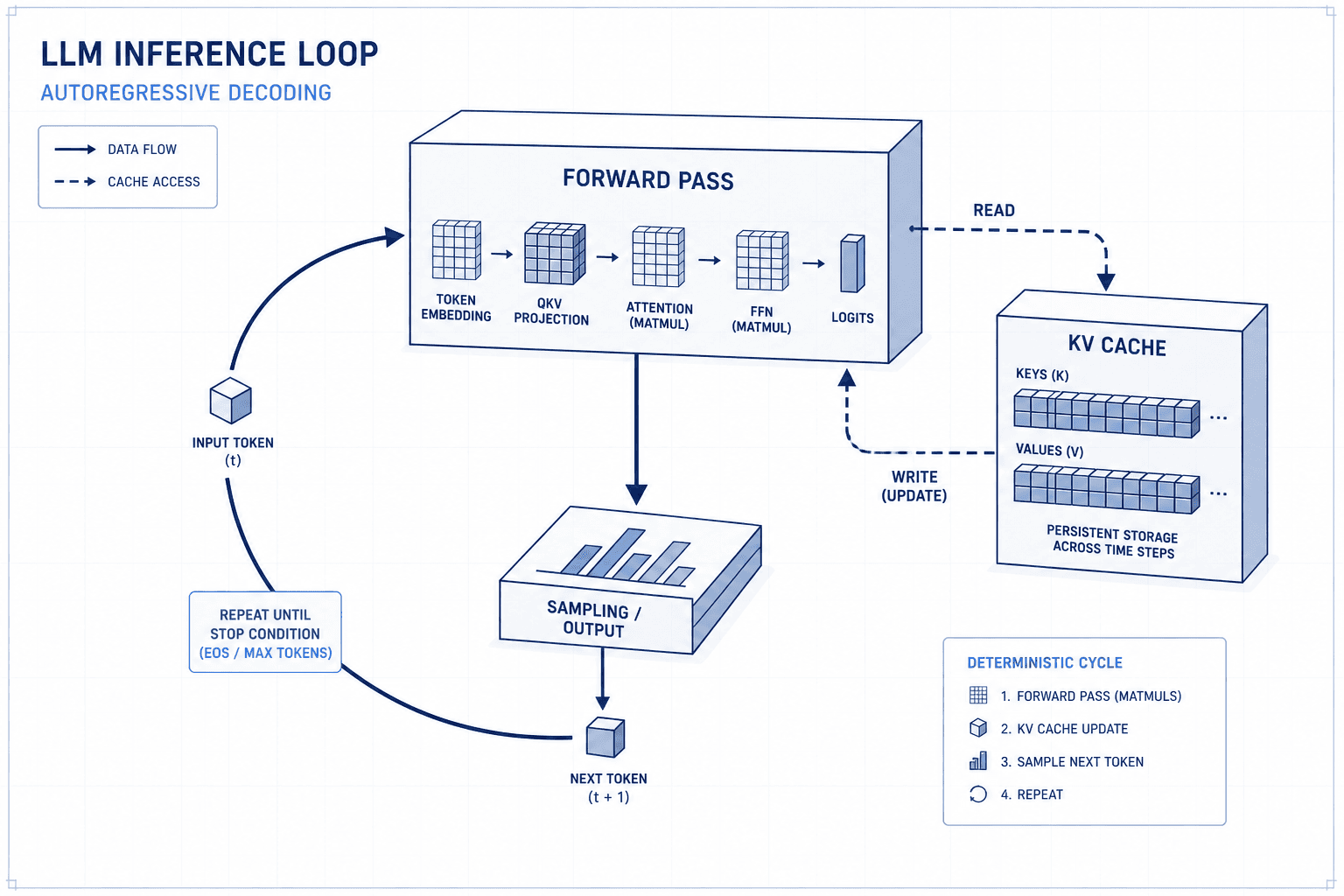
Part 4 · LLM Inference from ScratchUnderstand how LLMs generate text token by token. This guide breaks down the inference process, forward pass mechanics, and autoregressive logic for backend developers.
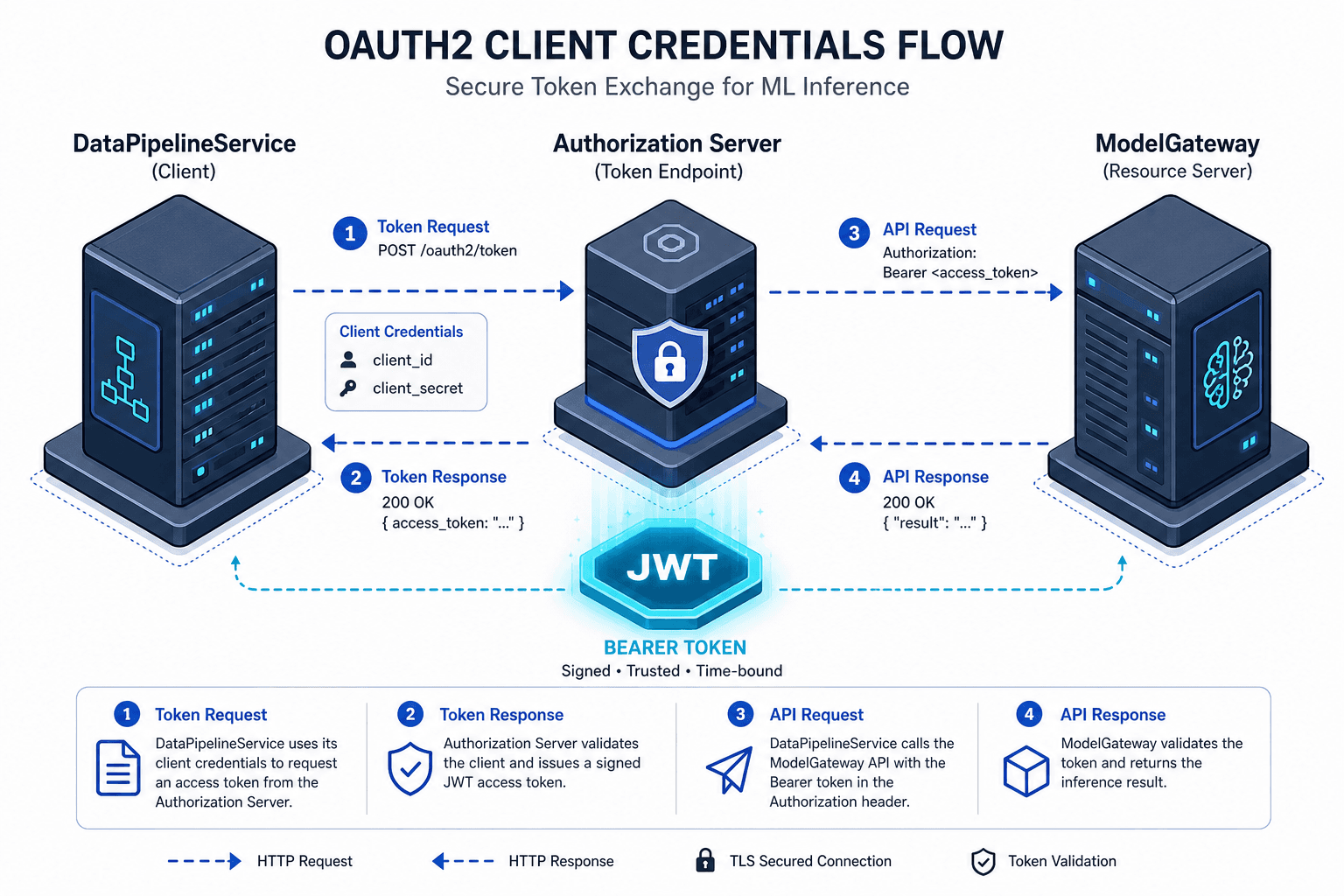
Part 1 · LLM Inference from ScratchLearn how to secure ML model serving endpoints using OAuth2 protocols to protect sensitive data and ensure proper API authentication.